49th Annual Asian American International Film Festival 2026
Please check back as reviews will be posted throughout the festival along with exclusive interviews with the creative forces behind the films both feature and short!!!
Afterword
⭐️⭐️⭐️⭐️
Broken Rhythm
⭐️⭐️⭐️⭐️⭐️

Isle Child
⭐️⭐️⭐️⭐️
Mary Kwon Mary Kwon
⭐️⭐️⭐️
Memo
⭐️⭐️⭐️
Sisa
⭐️⭐️⭐️⭐️

Sūnna (Listen)
⭐️⭐️⭐️⭐️
Afterword
⭐️⭐️⭐️⭐️
Feature Film (Narrative)
Film Production Company: Outland Film Studio
Rating: NR / Run Time: 93 minutes
Language: English and Taiwanese with English subtitles
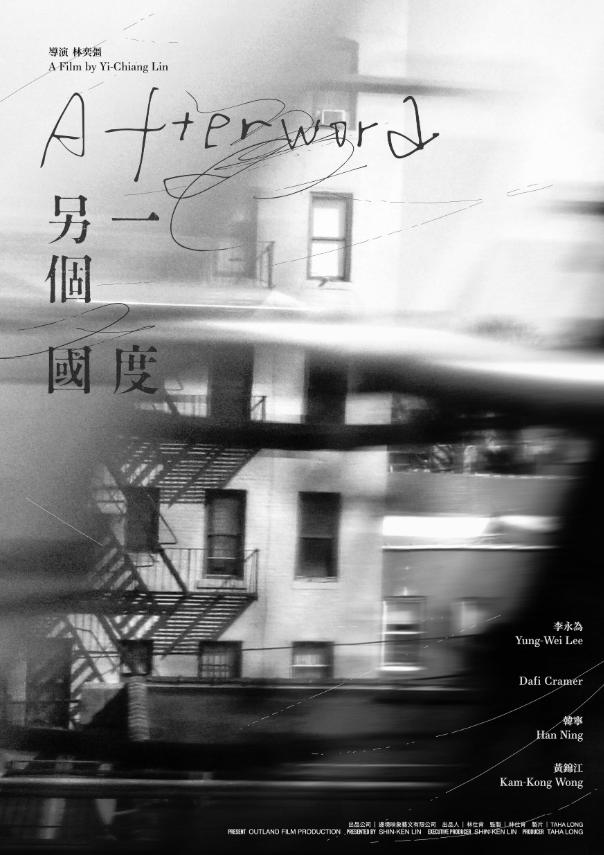
Director: Yi-Chiang Lin
Writer: Yi-Chiang Lin
Starring: Leon Lee, Dafi Cramer, Ning Han, Kam-Kong Wong and Chunika Kesh
“Don’t you think open endings are better?”
Chou Yan (Lee) is at a crossroads. A struggling, self-published writer with only one book to his name, he is suffering from severe writer's block. To make ends meet, he works clearing out vacated apartments and appraising the belongings left behind. In many ways, he becomes a storyteller of other people's lives, determining the value of objects while imagining the stories of the people who once owned them. One summer day in August, he is sent to an apartment that has been vacant for years, only to discover that it was once his own. How does one assess the value of a life that was once your own? Claiming there is nothing of value, he secretly discovers an old roll of undeveloped film and an unfinished manuscript for a story he once started.
When he develops the film, one photograph immediately stands out: Chi-Chi (Han), the woman who got away. Years earlier, Chi-Chi had left Taipei for New York, and Chou decides to finish his novel while also searching for the woman who represents a piece of his unfinished past. Inspired by a flyer he sees in Taipei from someone searching for a lost person, Chou begins his own search, walking the streets of New York and hanging up flyers with Chi-Chi's photo and a request for information. It is during this process that Jane (Cramer), a documentary filmmaker, discovers his story and asks to document his journey. Together, the two begin searching for answers.
As Chou and Jane follow the various clues left behind, their journey takes them through unexpected corners of New York, introducing them to people connected to Chi-Chi's past. Each interaction provides another piece of the puzzle, whether it is a former acquaintance, an old location, or a collection of photographs that may hold the answers Chou has been searching for. However, as the search continues, it becomes about more than simply finding Chi-Chi. It becomes a journey for Chou to understand his own regrets, his past decisions and the life he left behind.
Debut feature filmmaker Yi-Chiang Lin crafts a touching film about the universal need for connection and the desire to find closure. To accomplish this, he places the weight of the story on first-time performer Leon Lee, who imbues Chou with the empathy that allows us to root for him as he tries to find Chi-Chi, complete his novel and correct what he believes were the sins of his past. As Chou interacts with the strangers he meets along the way, we see a man not just searching for someone else, but trying to reconnect with himself.
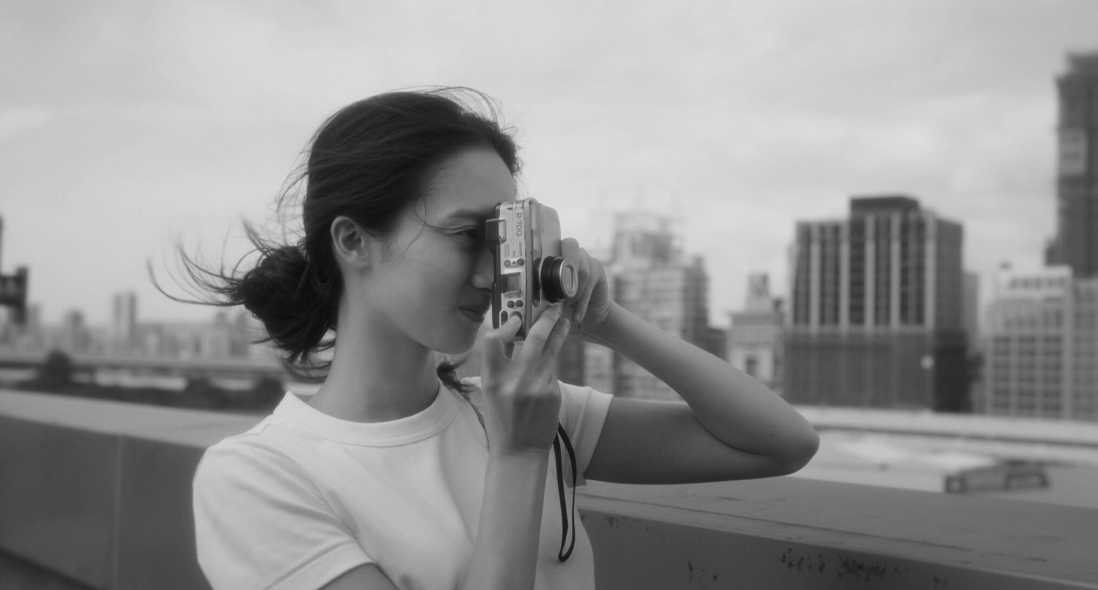
Lin, who also serves as cinematographer, shoots the film in stark black and white, giving both Taipei and New York a dreamlike quality. The choice creates a beautiful visual language for a story that constantly looks backward while trying to move forward. Perhaps it is also a reminder that life is rarely as simple as black and white, and the answers we search for are often more complicated than expected.
The overall story is compelling, but there are moments where the film-within-a-film structure involving Jane's documentary becomes slightly unclear. There are times when it is difficult to determine what is intended for her documentary and what is simply unfolding as part of Chou's journey. While this occasionally muddies the narrative, it does not take away from the heart of the story being told. Lin understands that the destination is not always the most important part of a journey, and as we follow Chou putting the pieces together one clue at a time, we become invested in where the search will lead. All in all, this touching film reminds us that sometimes the journey can be more satisfying than the ending.
For an exclusive conversation writer/director Yi-Chiang Lin, click HERE.
Review by Cinephile Mike
Broken Rhythm
⭐️⭐️⭐️⭐️⭐️
Feature Film (Documentary)
Film Production Company: Asymmetry Films
Rating: NR / Run Time: 121 minutes
Language: English
Director: Alan Canvan
Writer: Alan Canvan
Featuring: Andre Morgan, Dan Inosanto, Ji Han-Jae, Colleen Camp,
David Henry Hwang, Matthew Polly, Eugene S. Robinson, Chris Poggiali,
Ricky Baker and Alan Canvan
“To me, a motion picture is motion, I mean, you gotta keep the dialogue down to the minimum.”
Furious 7... The Imaginarium of Doctor Parnassus... The Other Side of the Wind... Eyes Wide Shut... and so many other films have had to be completed posthumously for one reason or another. However, in popular culture, perhaps none is more infamous than Bruce Lee's Game of Death. At the time of Lee's passing, only about thirty minutes of fight footage had been completed for what would have been his directorial follow-up to 1972's The Way of the Dragon. Lee passed away at just 32 years old, shortly before the release of the seminal Enter the Dragon, leaving the project unfinished.
Five years later, Game of Death producer Andre Morgan wanted to release those thirty minutes of footage on their own. Golden Harvest, however, wanted a feature-length film. Thus began one of cinema's most enduring behind-the-scenes legends. Like the conspiracy theories that have surrounded Bruce Lee's death for decades, Alan Canvan's Broken Rhythm doesn't simply explain how the 1978 release was assembled—with three stand-ins for Lee, a radically reworked screenplay, and even footage from Lee's own funeral—but instead paints the portrait of a true artist whose final vision remains unfinished and, perhaps, unknowable.
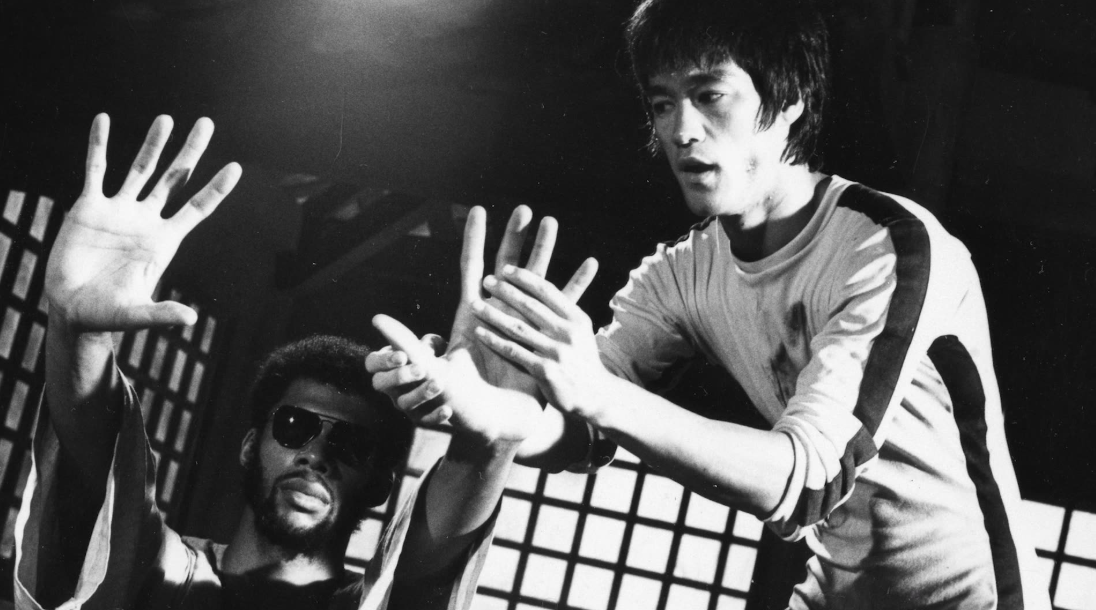
Canvan, who famously released Game of Death Redux in 2020, a thirty-five-minute reconstruction of the legendary fight sequences—including the iconic battle between Lee and future NBA Champion and MVP Kareem Abdul-Jabbar—digs even deeper into both the history of the unfinished film and the man behind it. Breaking the documentary into a prologue, three acts and a coda, we are treated to a well-rounded vision of the movie we never fully saw realized. He provides insight through interviews with those closest to the production, including producer Morgan, co-star Colleen Camp (who appeared in the film but never actually met Lee), Lee's student and co-star Dan Inosanto, and biographer Matthew Polly. Canvan himself, as a longtime student of Game of Death and member of the passionate community devoted to the film, also appears on camera, providing additional insight into both the production and the conspiracy theories that have surrounded it for decades.
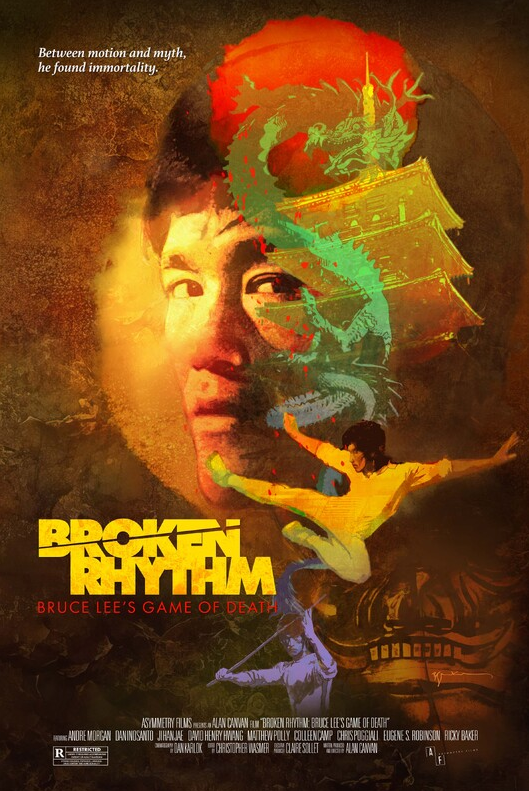
Structured in this way, each section of the documentary builds level by level, much like the famous pagoda sequence that inspired countless action films including Die Hard, John Wick: Chapter 2 and Kill Bill: Volume 1, to say nothing of Bruce Lee's iconic yellow-and-black jumpsuit. Rather than offering definitive answers about what happened behind the scenes—or why everything ultimately unfolded the way it did—Canvan wisely lets the evidence speak for itself. We are given insight into Lee's remarkable career, from his early work in Chinese cinema, including 1950's The Kid, which gave him his first leading role at just nine years old, to his discovery at the 1964 Long Beach Karate Tournament by Jay Sebring, which ultimately led producer William Dozier to cast him as Kato in the short-lived The Green Hornet. We revisit his legendary battles on screen with Chuck Norris and, ultimately, are left to determine for ourselves what truly sat atop that pagoda and what Lee intended the film to become.
Editor Christopher Wasmer expertly assembles the extensive collection of talking-head interviews, archival news footage, television appearances, film clips and behind-the-scenes material into a comprehensive portrait of both the man and the myth. While the documentary never claims to solve every mystery, it provides more than enough context for audiences to draw their own conclusions. Complementing this are several beautifully animated sequences by artist (and martial artist) Mike Kelly that bridge moments throughout the film while capturing Lee's movements with such precision that they feel pulled directly from life itself. Insightful and inspiring, Broken Rhythm serves as both an ideal introduction for newcomers and a rewarding deep dive for longtime Bruce Lee fans. All in all, this thoughtful documentary celebrates not only Bruce Lee's unfinished masterpiece, but also the enduring legacy of the artist behind it.
For an exclusive conversation writer and director Alan Canvan, click HERE.
Review by Cinephile Mike
Isle Child
⭐️⭐️⭐️⭐️
Feature Film (Narrative)
Film Production Companies: Black Box Features, Akiko, Mr Romance,
Son of Rigor Films and Terra Productions
Rating: NR / Run Time: 88 minutes
Language: English and Korean
Director: Thomas Percy Kim
Writer: Thomas Percy Kim
Starring: Ethan Hwang, Ben Wang, Samantha Mathis, Sam Robards, Ava DeMary,
Will Price, Jacob Moskovits and Ben Weinswig
“I really thought I’d feel more at home, but, I’m just me.”
Searching for one's place in the world is always a challenge, and it is the one on the mind of Si Miller (Hwang), a high school senior who believes his path is laid out. A star baseball pitcher on his high school team, he spends his days going to school, playing ball and smoking pot with his friends Jonah (Price), Lucas (Weinswig) and team captain Carter (Moskovits), and spending quality time with his girlfriend Lia (DeMary). Although Si was adopted from Korea by Carey and Thomas Miller (Mathis and Robards), this has never really been at the forefront of his mind. As far as Si is concerned, he is not Korean. He doesn't even recognize the Korean or Chinese language when new player Yang (Wang) joins the team midseason. Things are fine until a letter arrives.
Having completed a private adoption when he was three years old, there had been no contact from Si's birth family until the letter arrives with a request to reconnect with his birth mother, who is terminally ill in Korea. Carey initially keeps the letter from Si, but he eventually discovers it and, with encouragement from Lia, reaches out to the adoption agency. Given the urgency of the situation, he learns that traveling to Korea would expedite the process, though that is not immediately possible. As time goes on, the possibility of reconnecting with his birth family begins to consume him. He starts showing up late to baseball practice, tensions grow with Lia, and he slowly begins pulling away from the parents who are simply trying to support him. When another call from the agency arrives, Si is forced to confront questions he has never really asked himself, leading him on a journey back to the country of his birth.
Based on the real-life experiences of a high school friend, writer/director Thomas Percy Kim expands upon his earlier short film to create more than just a story about a young man reconnecting with his past. Instead, he crafts a heartfelt coming-of-age story about identity, acceptance and trying to understand where we fit within the world around us. Assimilation is difficult, but Si has simply lived the life he has always known. Suddenly being confronted with a part of himself he has never explored leaves him questioning where he belongs.
Ethan Hwang carries those complicated emotions naturally, allowing Si's uncertainty to build gradually rather than relying on dramatic moments. Samantha Mathis and Sam Robards are equally strong as parents doing everything they can to support their son while realizing there are parts of this journey they cannot experience for him. Mathis, particularly during the later scenes surrounding the trip to Korea, portrays a mother who understands that sometimes love and support still may not be enough. Ben Wang also makes a memorable impression in a limited role, quietly representing a culture that Si has spent much of his life keeping at arm's length.
Kim also makes an effective creative choice by presenting several scenes in Korean without subtitles, allowing the audience to experience the same uncertainty and separation Si feels whenever he hears a language he doesn't understand. It is a subtle but effective storytelling device that helps immerse us in his perspective. There are a few relationships that could have benefited from additional exploration, particularly as Si's emotional journey begins affecting those closest to him, and the final stretch in Korea feels a little brief considering everything that builds toward it. Still, the emotional payoff at the adoption agency lands because Kim has invested us in Si's search for answers. All in all, this heartfelt coming-of-age story reminds us that while our past may not define who we become, understanding where we came from can help us better understand who we are.
Review by Cinephile Mike
Mary Kwon Mary Kwon
⭐️⭐️⭐️
Feature Film (Narrative)
Rating: NR / Run Time: 97 minutes
Language: English
Director: Josh Park
Writer: Josh Park
Starring: Cat Kim, Tyler Aguallo, Madison Mendez and Dixon Phillips
“What’s your name? How do you say it?”
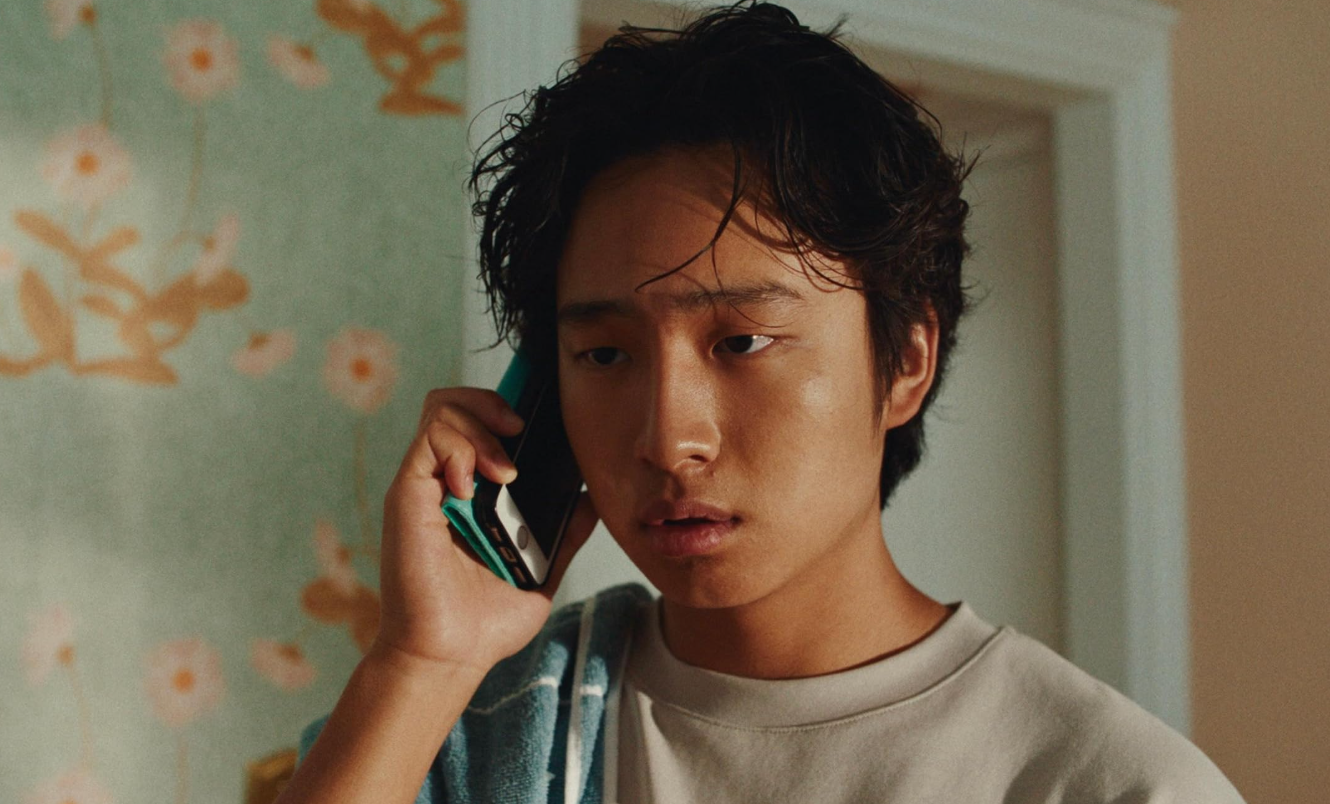
Revisiting one’s childhood home can be both comforting and unsettling. For Mary Kwon (Kim), it is a search for answers. Leaving behind her teaching job and taking a sabbatical, she returns to the home where her mother, once held there under house arrest, mysteriously vanished years earlier. Believing the house may finally provide the answers she has been seeking, Mary settles in, hoping to write and make sense of the past, especially after discovering her mother's old journal. However, it isn't long before strange noises begin echoing through both the house and the surrounding woods.
One night, Mary is visited by two weary travelers, Granger (Mendez) and Terrence (Aguallo). Granger explains that Terrence has been injured and needs help. Drawing upon her knowledge of Eastern medicine, Mary treats his wounds and, seeing no immediate threat, invites the pair to stay the night. Yet the strange occurrences continue, eventually creeping into Mary's dreams. During the night, Terrence begins suffering a violent episode, spewing black bile and singing a song that stirs a forgotten memory within Mary. As his condition worsens, he insists someone is speaking to him—Mary's mother—and even demonstrates an unsettling familiarity with passages from her journal. Before long, it becomes clear that not everyone is who they claim to be, and what initially appeared to be a haunted house mystery gives way to something far more dangerous. Soon Mary finds herself in the grasp of Dr. Straw (Phillips), a professor whose connection to her family's past runs much deeper than expected.
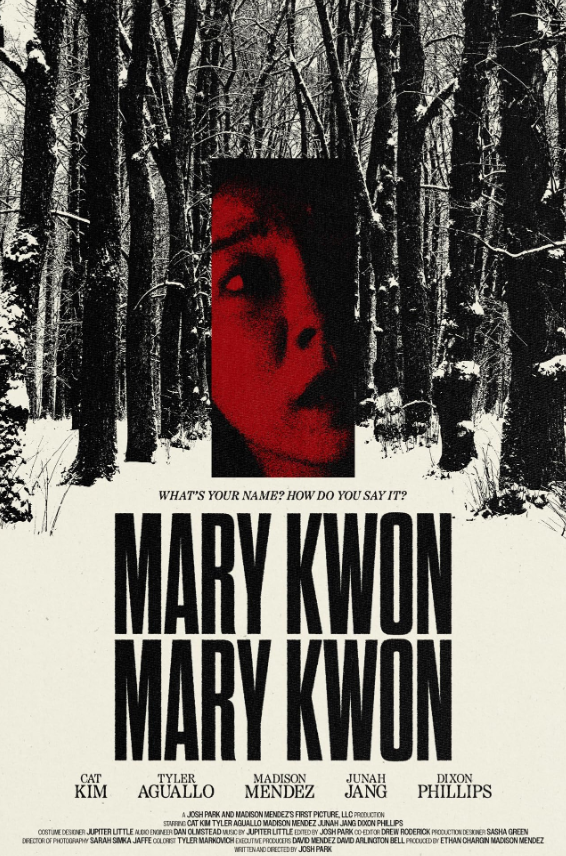
Playing with familiar haunted house conventions, Park attempts to blend horror with science fiction while exploring grief, memory and the power of the mind. There is much that works here, particularly Cat Kim's central performance. She gives Mary an empathy that keeps us invested, balancing the quieter emotional moments with the escalating fear effectively. Cinematographer Sarah Simka Jaffe also makes excellent use of the isolated setting, finding fresh angles throughout the house so the locations never feel repetitive. Additionally, for reasons best left unspoiled, the film shifts between color and grainy black-and-white imagery, creating an interesting visual contrast that supports parts of the narrative.
Where the film struggles is in deciding exactly what story it wants to tell. It lays intriguing groundwork for both its science fiction and horror elements, but the midpoint introduces revelations that redirect the film in an unexpected direction. While that shift is ambitious, it leaves some of the earlier horror threads feeling underdeveloped. Likewise, several intriguing images—including a mysterious figure who appears both inside the home and throughout the surrounding woods—are introduced without enough context to fully pay off by the conclusion.
For a debut feature, Josh Park demonstrates an ambitious imagination and creates a world that is certainly worth exploring. There are compelling ideas throughout, but with so many plot threads competing for attention, not all of them receive the development they deserve. At times it feels as though two different films are vying for the spotlight, each with interesting concepts that could have benefited from a little more room to breathe. All in all, Mary Kwon Mary Kwon is an ambitious debut filled with intriguing ideas, even if it never quite reconciles all of the pieces into a completely satisfying whole.
For an exclusive conversation writer and director Josh Park, click HERE.
Review by Cinephile Mike
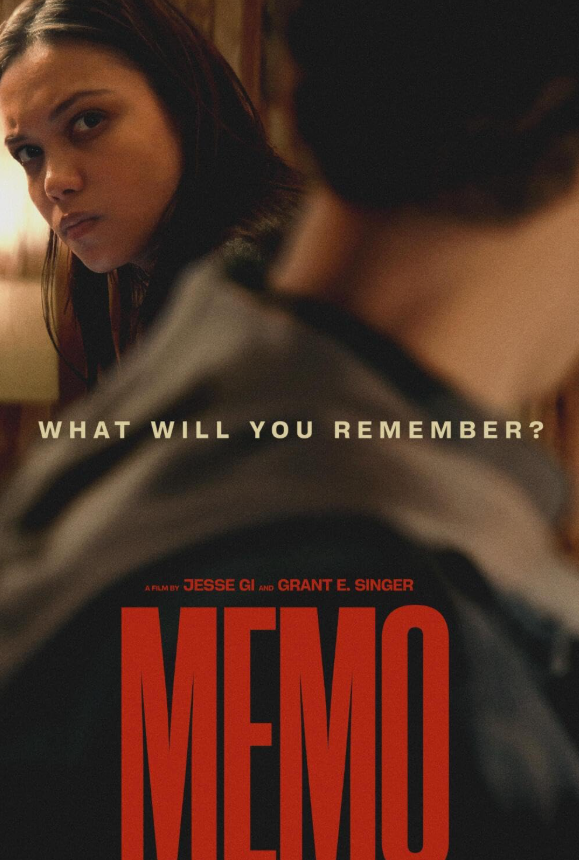
Memo
⭐️⭐️⭐️
Feature Film (Narrative)
Film Production Companies: Summermoore, Julie&Julia
and WDA Entertainment
Rating: NR / Run Time: 82 minutes
Language: English
Director(s): Jesse Gi and Grant Singer
Writer(s): Jesse Gi and Grant Singer
Starring: Alex Felix, Jeff Lawless and Damon McKinnis
“It wasn’t my job to monitor the emotions of every single crew
member at all times.”
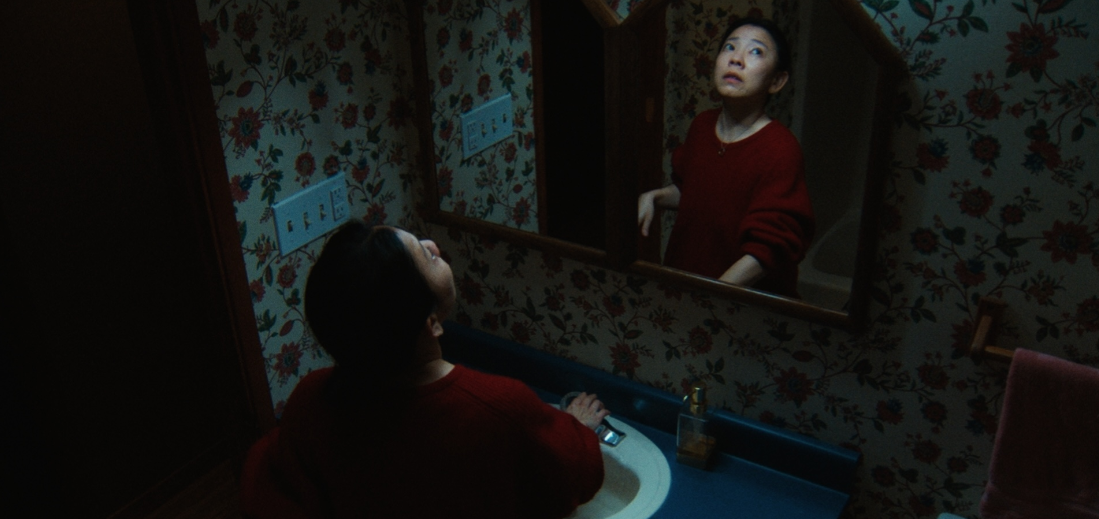
Murphy’s Law is quite the disruptor, as young fledgling filmmakers Chris (McKinnis) and Abby (Felix) are about to discover. After meeting in film school and dreaming of making movies together, Chris and Abby finally have their big break. Abby has written and directed a new film, produced by Chris, and together they attend its premiere at the Enclave Film Festival. Following a fairly standard interview with the festival’s press team, they retreat to their hotel suite to unwind before the screening. Riding high on the excitement of the evening, Chris keeps ignoring repeated phone calls from Manny, a member of the film’s crew, determined not to let anything ruin the moment. Unfortunately, those calls are only the beginning.
Arriving at their room, they discover their original suite has flooded, leaving them with little more than a cramped room featuring a full-size bed, a single chair and soaking wet carpet. The situation becomes even more awkward because they are expecting the star of their film, James (Lawless), who also happens to be Abby’s boyfriend. As they attempt to make the best of the situation, Chris and Abby finally listen to one of the voicemails. Manny reveals that a member of the production has filed a complaint against James and intends to pursue it. On the eve of the film’s premiere, the news sends the evening into chaos. Abby immediately comes to James’ defense while Chris believes the allegations cannot be ignored, and when James eventually arrives, the tension finally boils over.
What follows is a series of shifting conversations and confrontations as each character tries to piece together what really happened. As accusations mount and different versions of the truth emerge, the fallout threatens not only the future of the film but also the friendships and relationships that brought these collaborators together in the first place.
It’s a premise we have seen before in plays and films such as Tape, Oleanna and After the Hunt. Claims are made, hearsay is debated and, ultimately, we as the audience are left to decide whether the guilty are guilty or the innocent are innocent, sometimes finding catharsis and sometimes leaving with more questions than answers. It's fertile dramatic ground. Whether co-writers and co-directors Jesse Gi and Grant Singer accomplish that is something I'll leave to each viewer, but for me the film never quite distinguishes itself from the stories that came before it, despite a final twist that adds an interesting wrinkle.
Setting nearly the entire film inside a rundown hotel room creates an appropriately claustrophobic atmosphere, allowing the pressure to build as secrets slowly surface. The cast commits to the material, with Alex Felix and Damon McKinnis delivering natural performances and believable dialogue. However, all three leads appear considerably younger than the characters they are portraying. While that certainly isn't their fault, it occasionally made it difficult to fully buy into the professional histories and emotional baggage the script asks us to accept. Lawless, meanwhile, effectively leans into James' smug confidence, although that first impression also makes it difficult to invest in his side of the conflict.
Gi and Singer clearly have an ear for natural conversation, and many exchanges unfold with an authenticity that keeps the audience engaged. Where the screenplay stumbles is in the sheer volume of revelations layered into its modest runtime. As more information about each character is introduced, the narrative becomes increasingly difficult to track, not because the film needs to be longer, but because it could benefit from a more deliberate structure. There is an interesting story buried beneath the uncomfortable "ick factor" that hangs over much of the film, but by the time everything is revealed, I found myself appreciating the ambition more than I was emotionally invested in the outcome. All in all, while anchored by committed performances and believable dialogue, the film never quite rises above the familiarity of its premise.
Review by Cinephile Mike
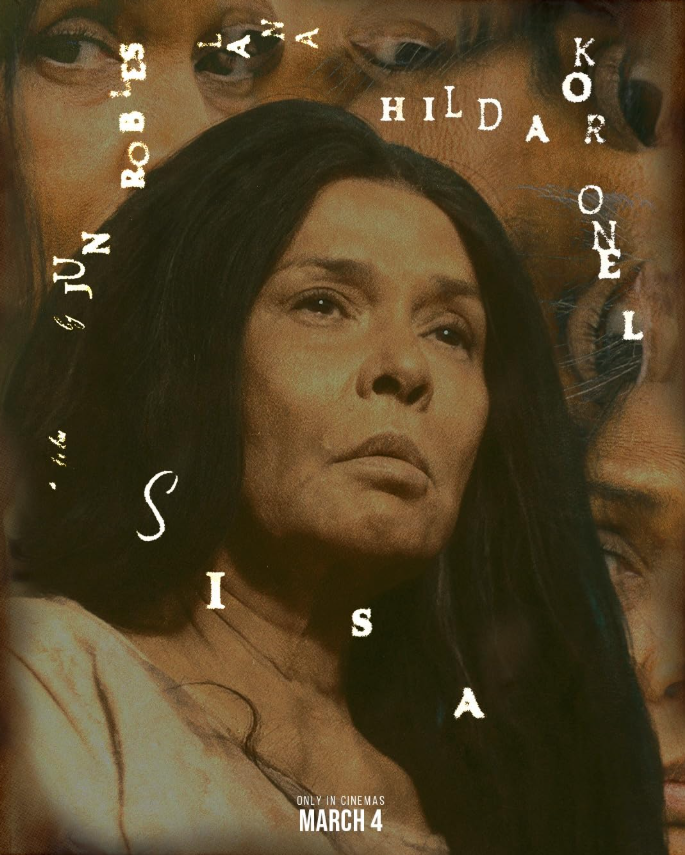
Sisa
⭐️⭐️⭐️⭐️
Feature Film (Narrative)
Film Production Companies: CMB Film Services, Cineko Productions,
Forever Group, Octobertrain Films, Quantum Films and The IdeaFirst Company
Rating: NR / Run Time: 115 minutes
Language: English and Filipino, Tagalog and Spanish all with subtitles
Director: Jun Robles Lana
Writer: Jun Robles Lana
Starring: Hilda Koronel, Eugene Domingo, Jennica Garcia, Tanya Gomez,
Angellie Sanoy, Barbara Miguel, Nico Anromio, Romnick Sarmienta, Kuya Manzano,
Isabel Lamers and Kobie Brown
“In this war, no side comes out clean.”
In a history full of war and destruction, there are those conflicts that sit at the forefront of our minds and those relegated to the history textbooks. Even when they are discussed, the focus is often on the battles themselves rather than the people left to rebuild afterward. In the new film Sisa, we revisit the aftermath of the Philippine-American War. Following the conflict, during which American forces employed a scorched-earth campaign against Filipino revolutionaries, many civilians were confined to concentration camps while the future of the Philippines was being determined under the administration of newly elected President Theodore Roosevelt.
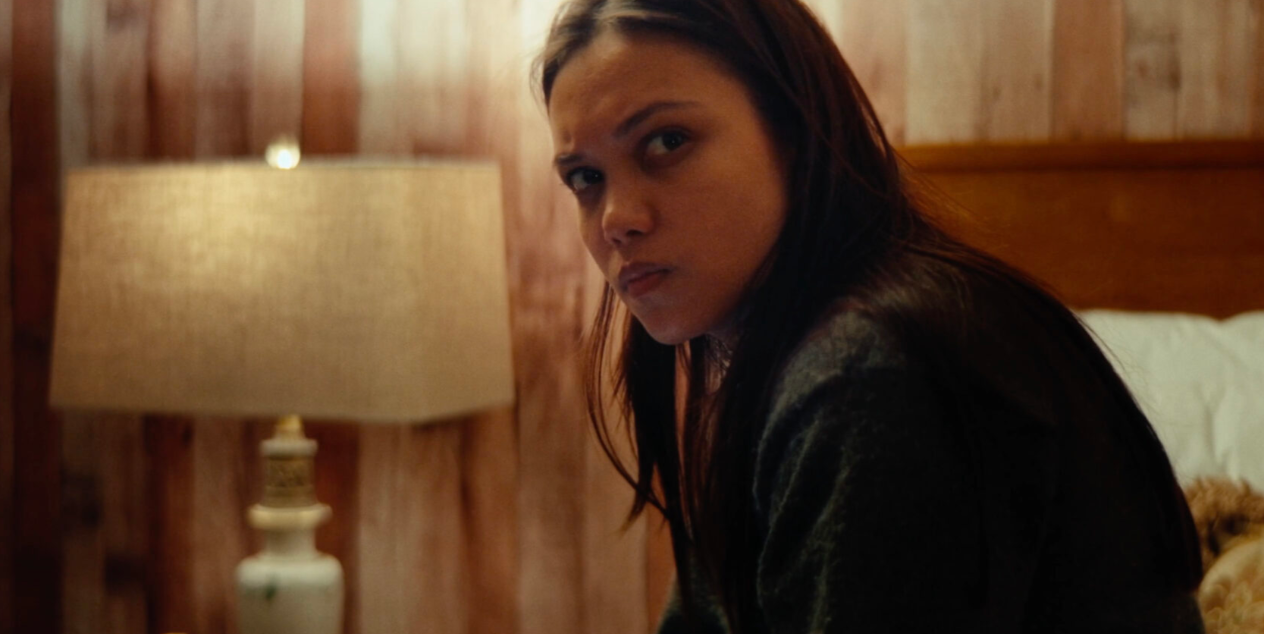
In one such camp, a group of American soldiers attempts to maintain order while educating the local children. Among them is Miss Warren (Lamers), an American teacher who spends her days in the classroom and is especially proud of her top student, thirteen-year-old Nena (Sanoy). While things appear peaceful on the surface, frustration quietly simmers among the women living in the camp. One day, a disheveled woman (Koronel), unable to remember who she is or where she came from, wanders into the settlement. Covered in dirt and grime, she is quickly detained before Nena's mother, Delia (Domingo), is encouraged to take her in and help her find a place within the community. Meanwhile, we begin to see how life inside the camp is shaped by the Americans who oversee it.
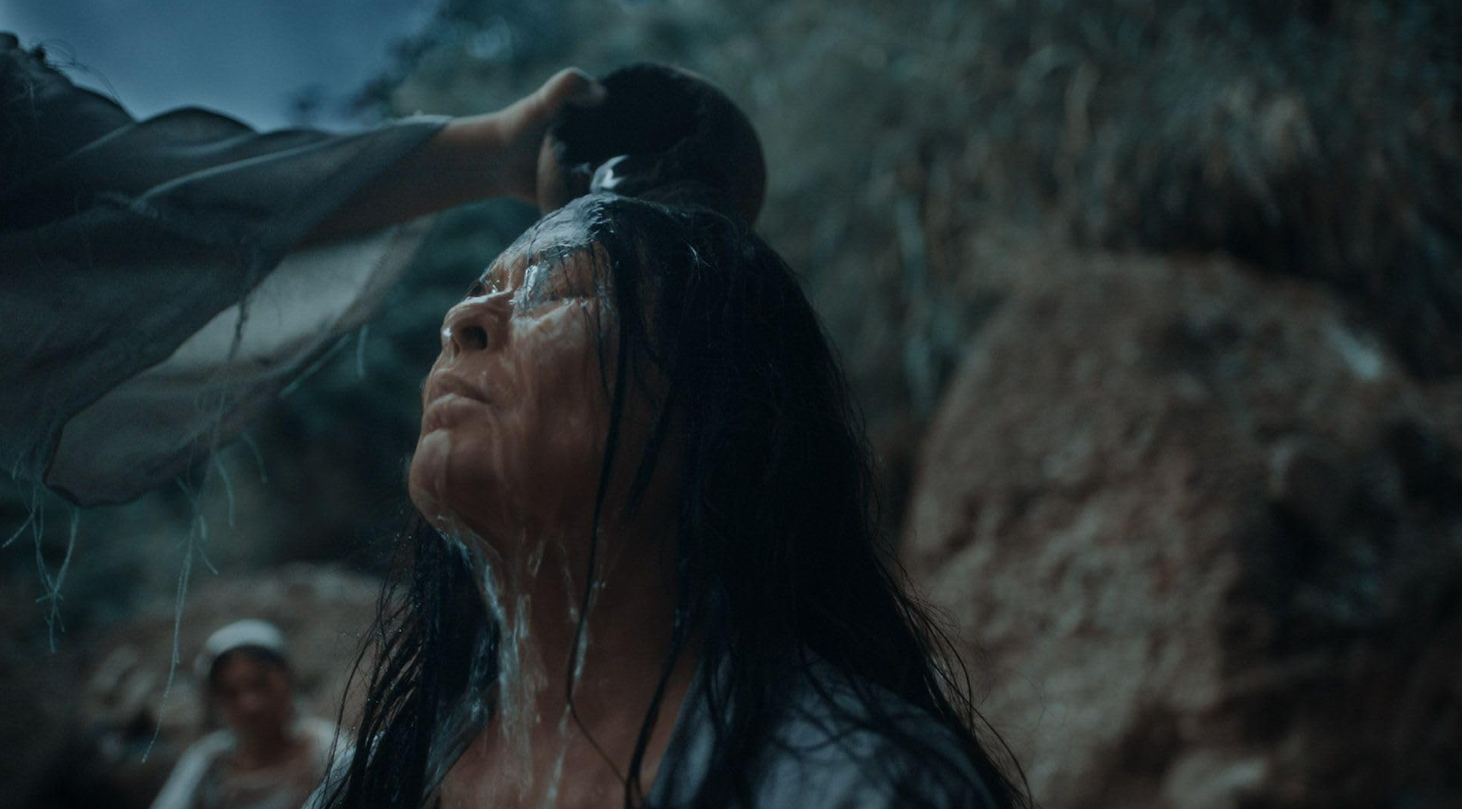
As the story unfolds, the mysterious woman is given the name Sisa at Nena's suggestion, inspired by the character from José Rizal's Noli Me Tángere. It soon becomes apparent that she is not exactly who she appears to be. Behind those intense eyes is a woman with a purpose, and her arrival at this particular camp was no accident. As she gradually weaves herself into the lives of the women around her—including the commander's mistress Leonor (Garcia) and former village leader Kardo's wife Opel (Gomez)—we learn that she has been sent to gather information for the Filipino revolutionaries as they prepare their next move.
As representatives from the Taft Commission prepare to arrive with news of a proposed amnesty for the insurgents, Sisa quietly begins setting her own plan into motion. Working in secret with the women of the camp, she helps organize a resistance fueled even further after a tragedy strikes at the hands of one of the American soldiers, Smith (Brown).
More than simply a story of revenge, writer/director Jun Robles Lana crafts a compelling portrait of resilience and female solidarity in the face of impossible circumstances. Returning to the screen after a thirteen-year acting hiatus, Hilda Koronel is mesmerizing in the title role. With piercing eyes that rarely betray her intentions, she moves through each scene with remarkable restraint until the moment calls for something entirely different. She commands every frame, aided by Carlo C. Mendoza's striking cinematography. Shifting between intimate full-frame compositions and sweeping widescreen imagery, Mendoza gives the film a visual language that feels both personal and epic. The supporting cast is equally strong, particularly Eugene Domingo's deeply empathetic Delia and Angellie Sanoy's quietly determined Nena.
Lana carefully builds tension as the pieces gradually fall into place, aided by Teresa Barrozo's beautifully haunting score, whose orchestral flourishes keep the audience off balance right through the film's closing moments. My only real reservation comes with the conclusion. After spending nearly two hours patiently building toward its climax, the final moments arrive rather abruptly, leaving you wishing for just a little more resolution before the credits roll. Still, what lingers most is not the conflict itself, but the humanity of the people caught in its wake. By choosing to focus on those living in the aftermath rather than the war itself, Sisa finds its greatest strength. All in all, this gripping historical drama reminds us that the true cost of war is often measured long after the fighting ends.
Review by Cinephile Mike