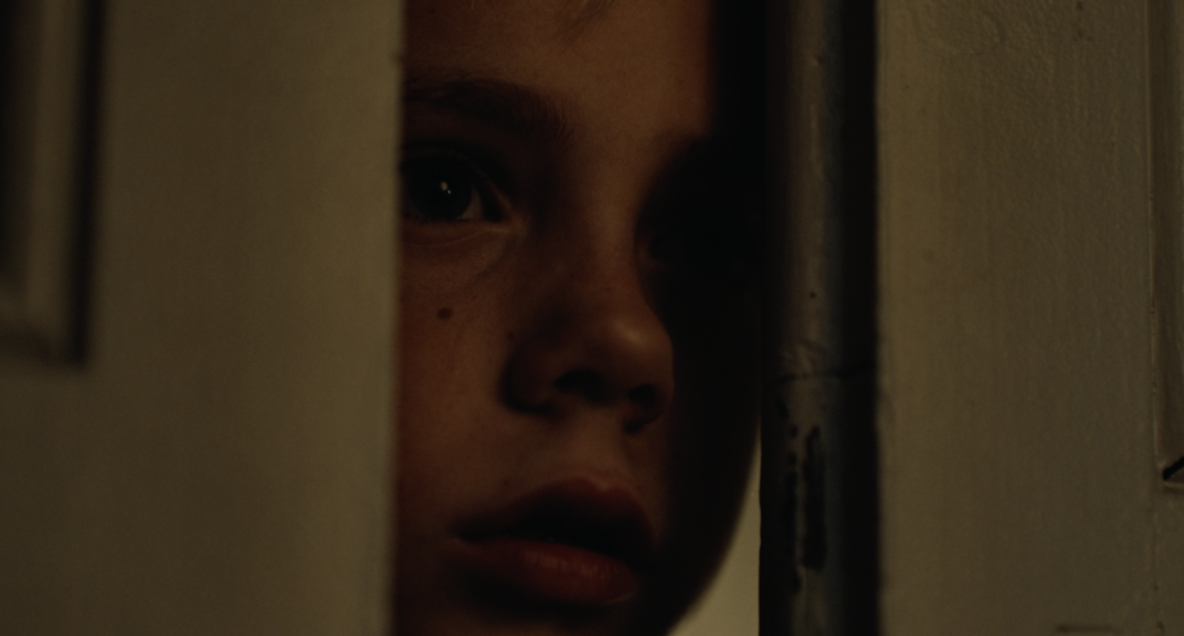
50th Cleveland International Film Festival - 2026
Note: Some films were seen at earlier festivals. Click any poster for the full review.

Selected Feature Film Reviews

Honeyjoon
⭐️⭐️⭐️
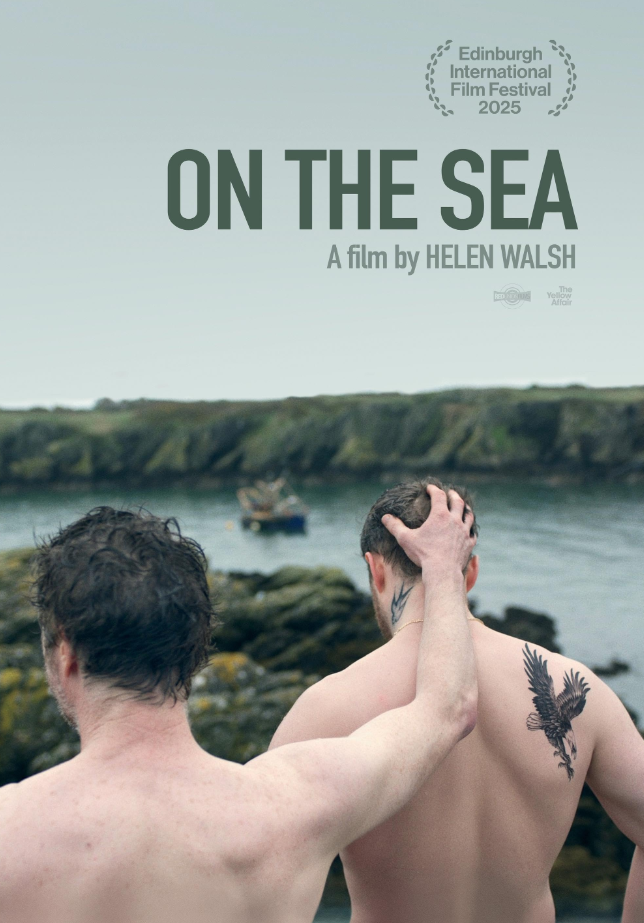
On the Sea
⭐️⭐️⭐️⭐️⭐️
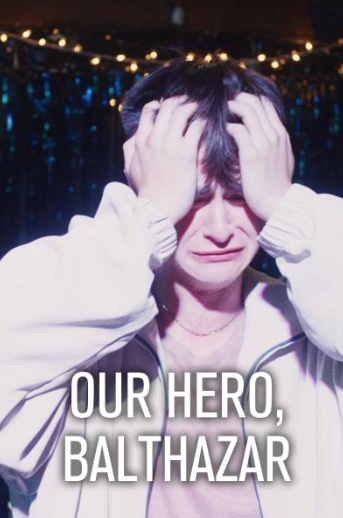
Our Hero, Balthazar
⭐️⭐️⭐️⭐️
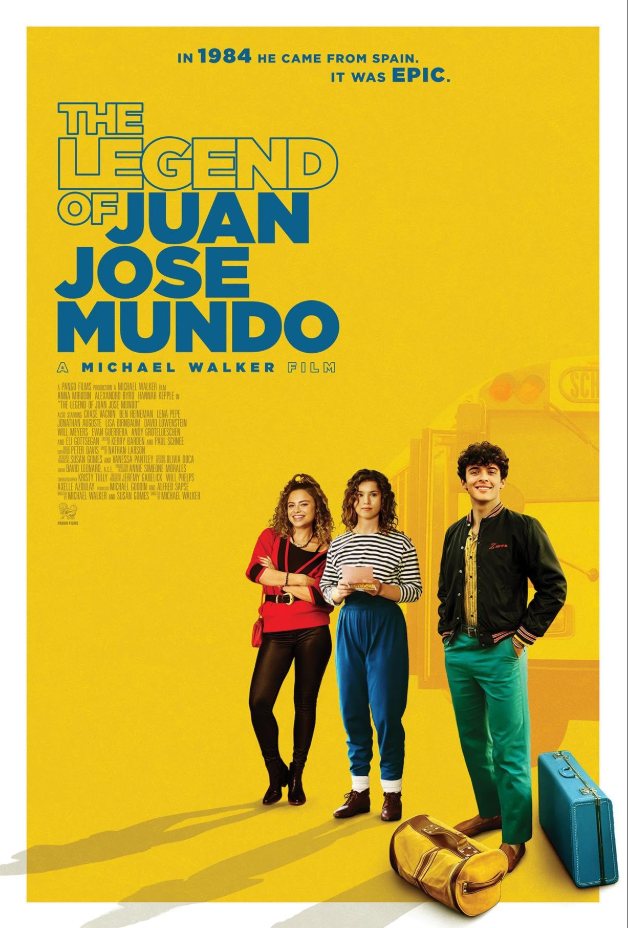
The Legend of Juan Jose Mundo
⭐️⭐️⭐️⭐️
Thinestra
⭐️⭐️⭐️⭐️

Selected Short Film Reviews
Birthday Boy
⭐️⭐️⭐️⭐️
A Hand to Hold
⭐️⭐️⭐️⭐️⭐️
Christopher & the Bug
⭐️⭐️⭐️⭐️⭐️

How I Learned to Die
⭐️⭐️⭐️⭐️
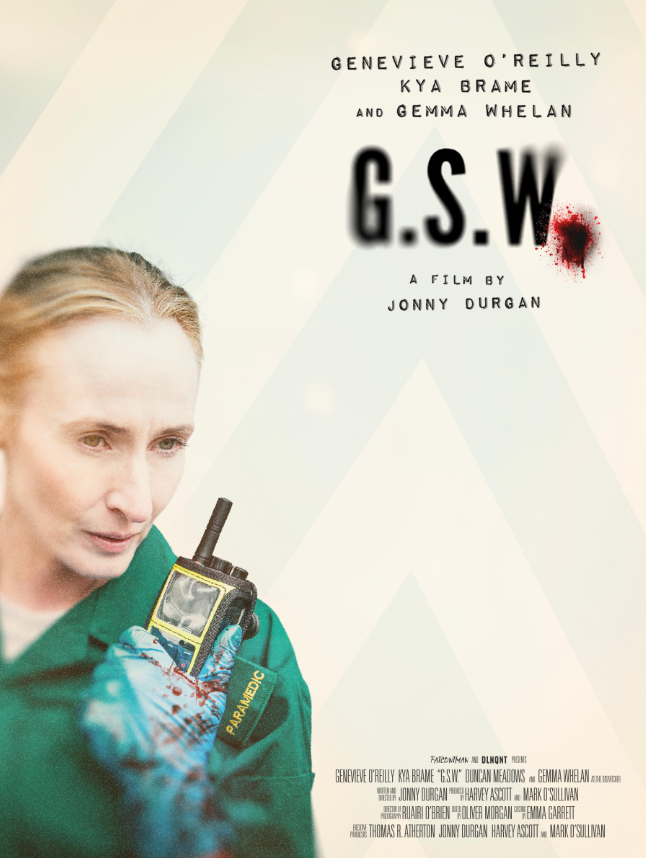
G.S.W.
⭐️⭐️⭐️⭐️
Odessa
⭐️⭐️⭐️⭐️⭐️
Plastic Surgery
⭐️⭐️⭐️⭐️
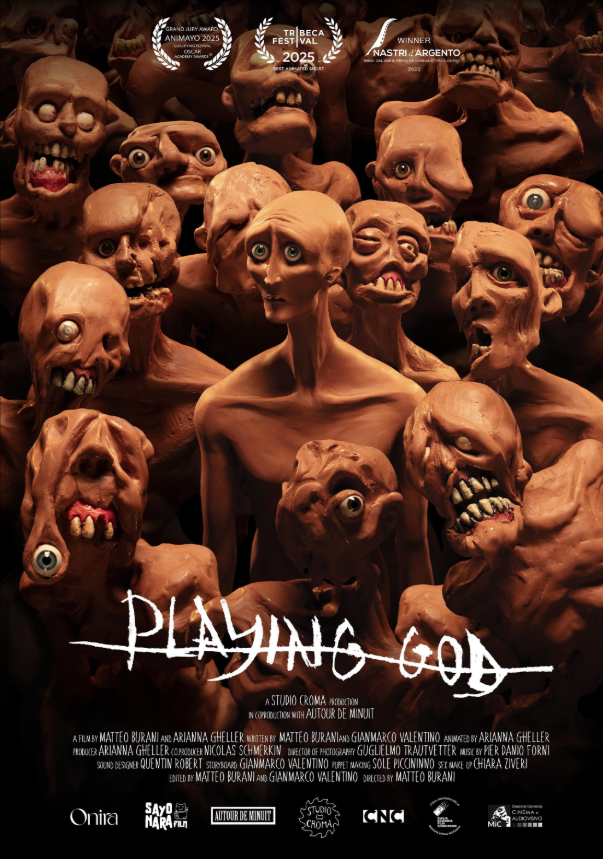
Playing God
⭐️⭐️⭐️⭐️
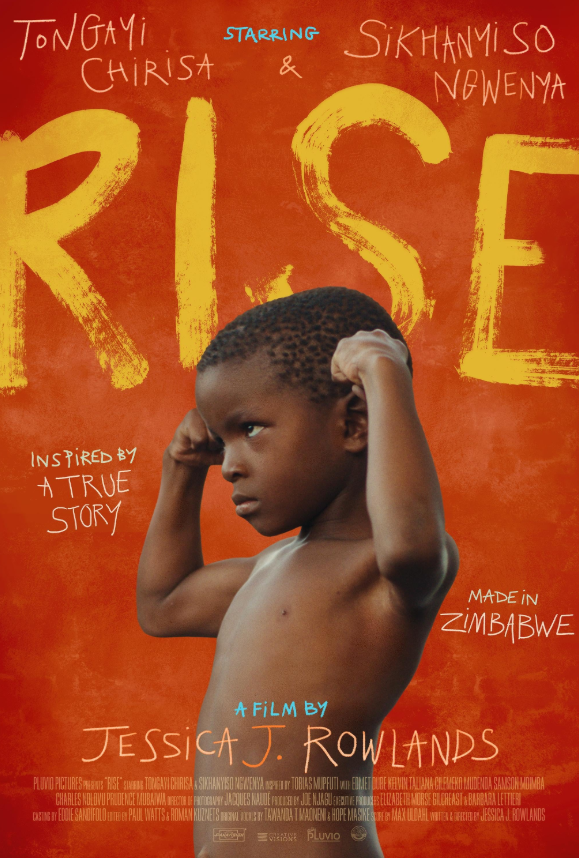
Rise
⭐️⭐️⭐️⭐️
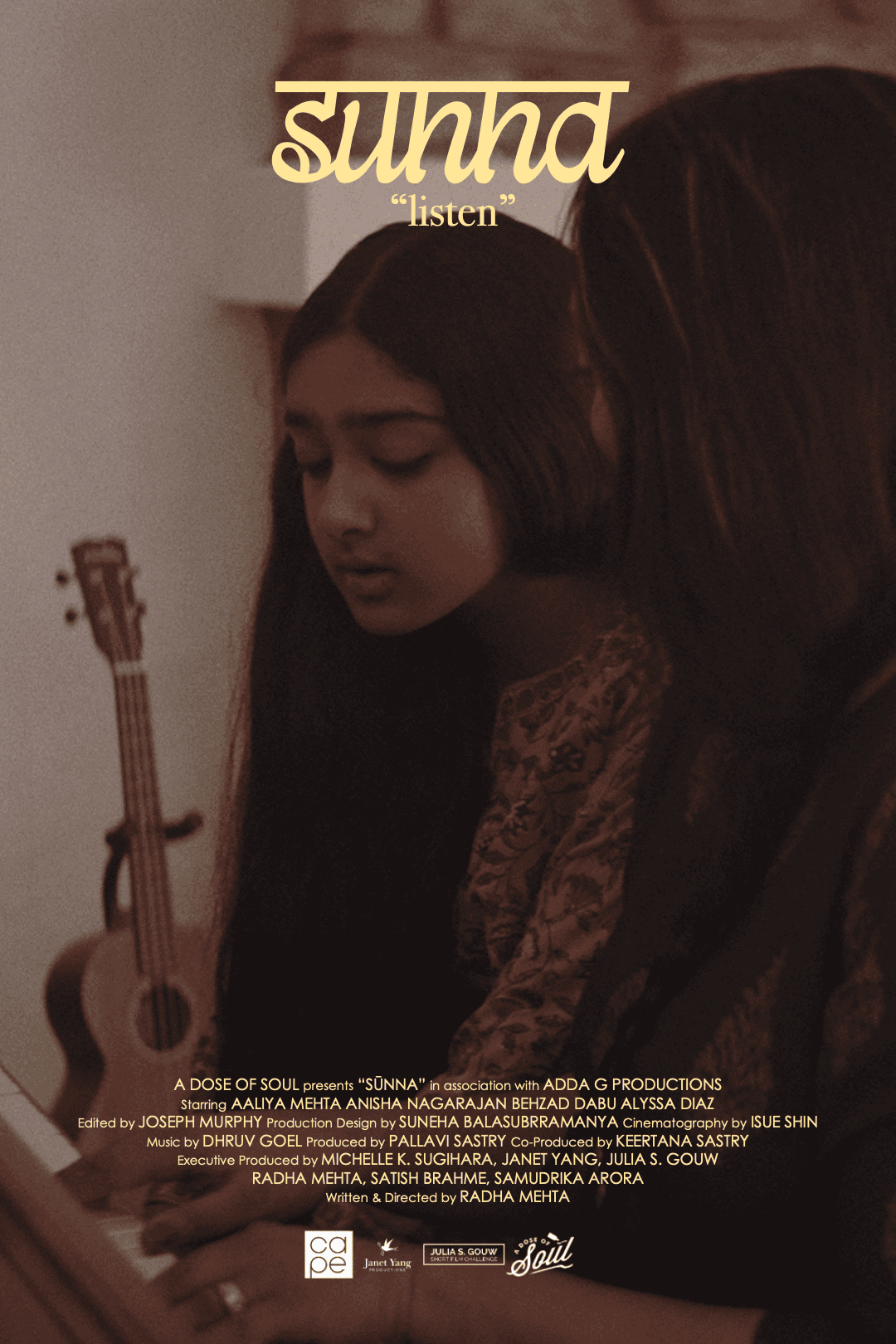
Sūnna (Listen)
⭐️⭐️⭐️⭐️
The Littles
⭐️⭐️⭐️
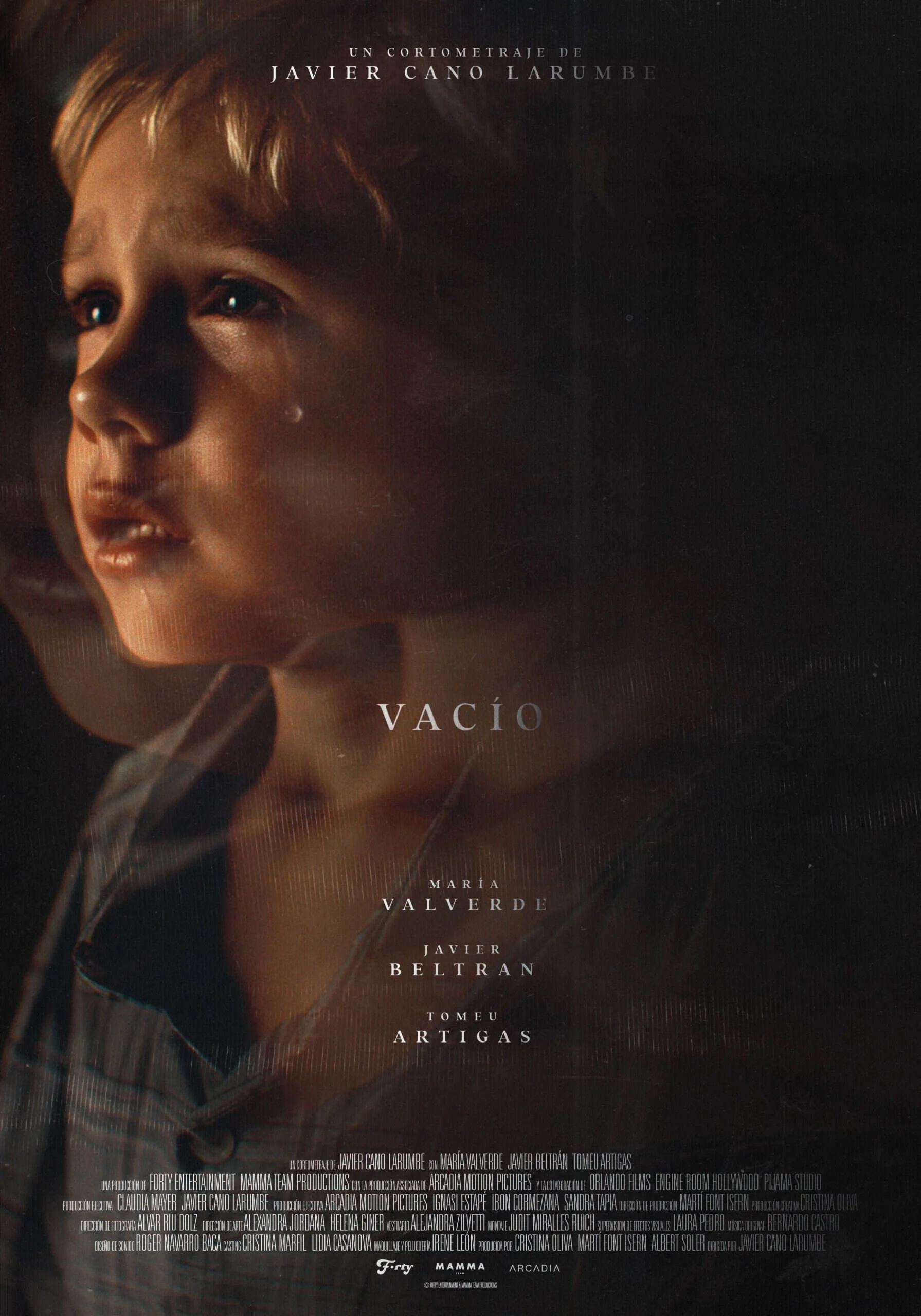
Vacío (Void)
⭐️⭐️⭐️⭐️

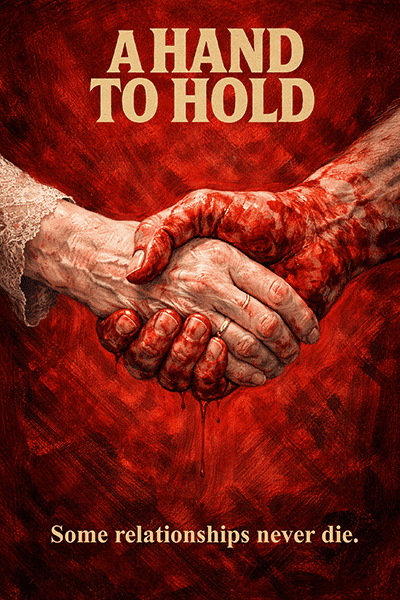
A Hand to Hold
⭐️⭐️⭐️⭐️⭐️
Short Film (Narrative)
Rating: NR / Run Time: 15 minutes
Language: English
Director: Philip Clyde-Smith
Writer: Eliza Power
Starring: Frances Barber, Murray McArthur, Frank Bourke, Lisa O’Connor,
Shane Casey, Katherine Moran and Jimmy Tarbuck
“I win. I always win. I won. I win. I always win!”
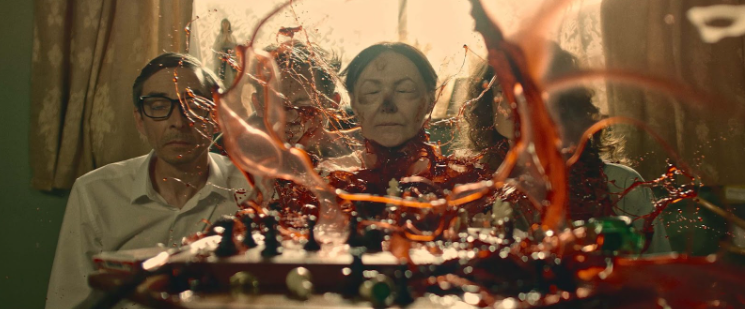
Moira (Barber) and Patrick (McArthur) have been together for a long time, and one of their favorite pastimes is playing chess. It’s one of Patrick’s greatest joys—and most importantly, he always wins. Moira never seems to complain. However, this couple finds themselves at a crossroads. Patrick, now ill and on a morphine drip, sits playing the game but is unable to finish. Moira tries to put him to bed, but he insists they need to finish—that he needs to win. Promising they’ll complete the game tomorrow, Patrick goes to bed. The next day, however, he never wakes up, leaving that final game unfinished.
The following day, as Moira sits holding Patrick’s hand alongside her daughter Kathleen (O’Connor) and speaks with the doctor (Bourke), they begin planning next steps. However, when Moira tries to release Patrick’s hand, it won’t let go. Believing rigor mortis has set in, the doctor suggests waiting 24 hours for it to subside. But that never happens. No matter what they try, the hand refuses to release. So, the doctor calls in his cousin, Farmer Mike (Casey), to assist. Arriving with a chainsaw, he severs Patrick’s limb. Thinking this will finally solve the problem, they remove the arm—but the hand still won’t let go. It becomes clear that it will take much more for Moira to move on with her life—and for Patrick to move on from his—until he bests her at chess one last time.
Infusing equal parts gross-out horror (there are moments that would make Tarantino proud) and awkward comedy, writer Eliza Power crafts a film that finds humor in tragedy. It operates in the echelon of films like Evil Dead and various deadpan British comedies. Director Clyde-Smith draws a dryness from the performers that allows the humor to land in a consistently enjoyable way, even as a Satanic Priestess and a Priest attempt to help and the situation spirals further into absurdity. As the film shifts between traumatic and lighter moments, Brian Byrne provides an entertaining score that underplays the action perfectly, while Power’s script deftly walks the line without tipping too far into either realm.
Additionally, the special effects—courtesy of Eve Pashley and Leon Clements Beall—blend seamlessly with excellent makeup work by Tegan Scudder and Daisy Brinkworth-Jewell, giving the film a strong visual identity that allows its more grotesque elements to land with humor. One of the film’s strengths is how Power trusts the audience, allowing viewers to discover elements of the plot without being spoon-fed, creating a visually engaging experience. All in all, this horror-comedy will entertain and may leave you reconsidering whether the Beatles were right—maybe you shouldn’t want to hold that hand.
Review by Cinephile Mike
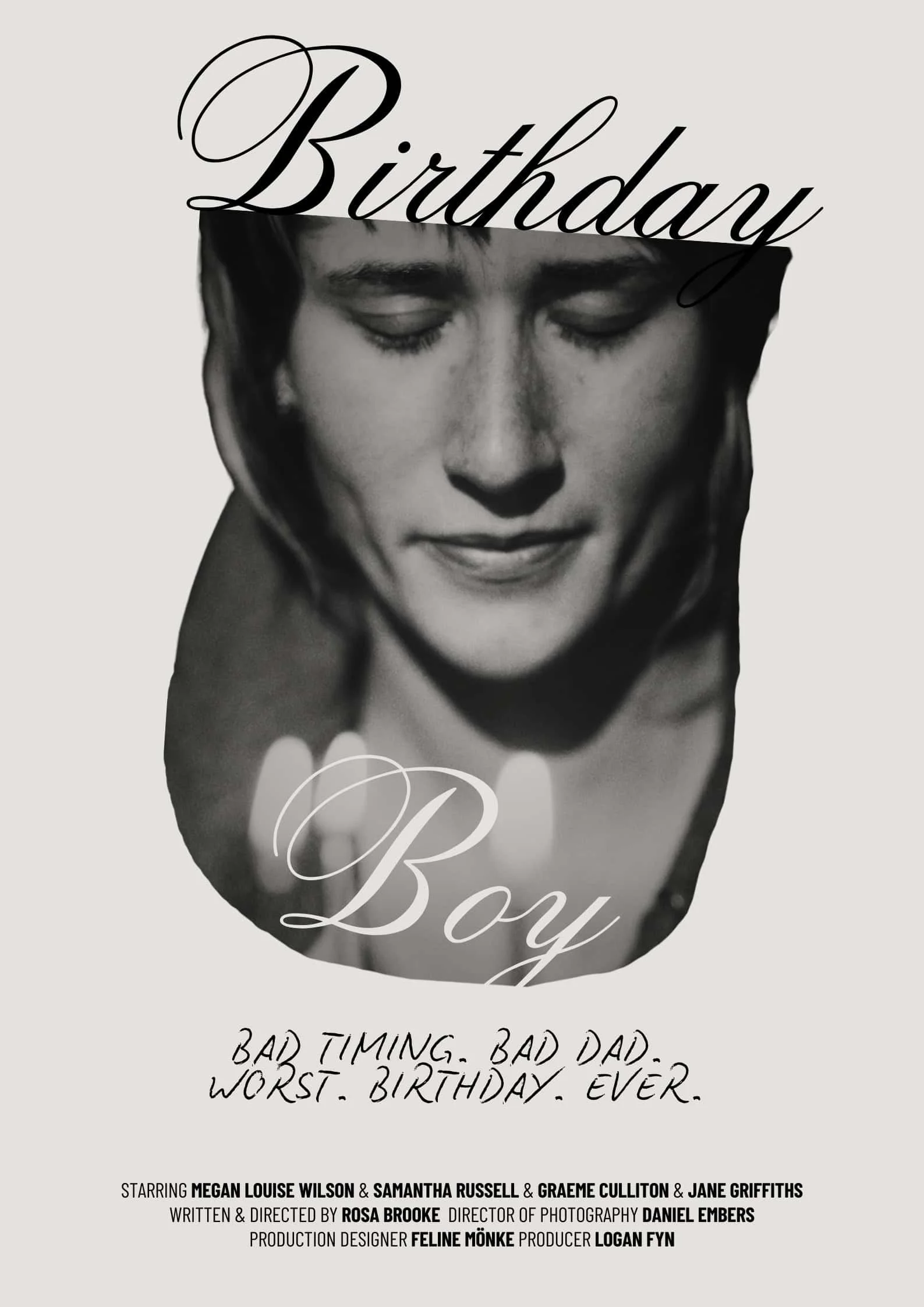
Birthday Boy
⭐️⭐️⭐️⭐️
Short Film (Narrative)
Rating: NR / Run Time: 14 minutes
Language: English
Director: Rosa Brooke
Writer: Rosa Brooke
Starring: Megan Louise Wilson, Graeme Culliton, Samantha Russell
and Jane Griffiths
“Cookie, Cookie, Cookie. It’s hard isn’t it, so very hard. But hasn’t it just been a lovely day?”
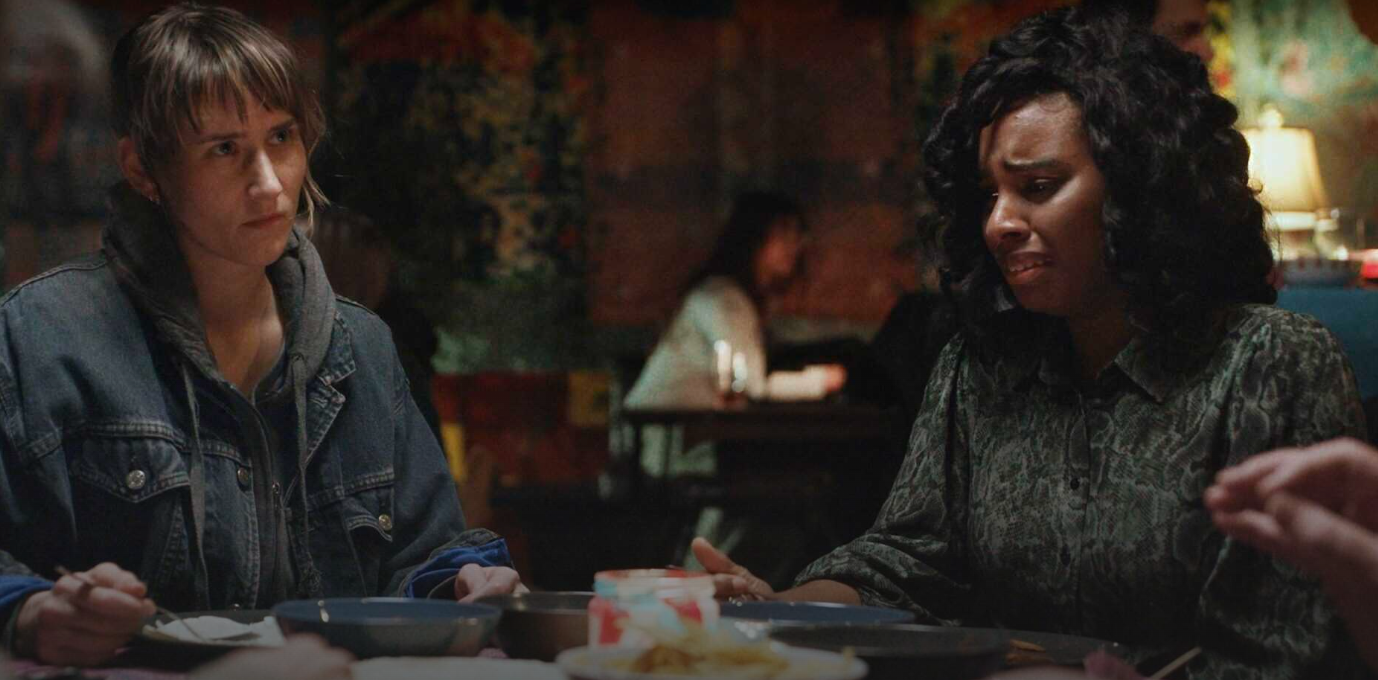
Birthdays can be stressful enough, and Rae (Wilson) is already at a crossroads. An artist going through an identity crisis and struggling with questions surrounding their gender identity, Rae is trying to figure out how to communicate these feelings to their father, Jeff (Culliton). Helping Rae prepare is their partner Alice (Russell), who attempts to be a steady and supportive presence. However, upon the arrival of Jeff—a man who speaks a mile a minute and barely seems to process what is happening around him—and his wife Mandy (Griffiths), who exists in a near-constant state of drunkenness, things quickly spiral out of control. In the midst of attempting to have an honest conversation, a tragedy suddenly strikes and must be dealt with immediately. But even with Rae and Alice emotionally shaken, Jeff insists they continue with the birthday dinner anyway—after all, he drove four hours to be there.
Arriving at Jeff’s favorite Mexican restaurant, the four sit around the table as Rae desperately tries to keep everything together. Alice can barely process the earlier tragedy, Mandy struggles to remain upright in her seat, and Jeff rambles endlessly about music, cars, and how proud he is of his “girl,” a label that only pushes Rae further toward a breaking point. Before long, everything comes to a head in the middle of the celebration.
Writer-director Brooke crafts a story that thrives in the absurd intersection between tragedy and comedy. At times, you genuinely won’t know whether you are supposed to laugh or cry at what unfolds onscreen. Wilson grounds the film as the straight character, bringing a subtle ease that allows the more eccentric personalities around them to fill the frame. Culliton perfectly captures the fast-talking relative we all know, though he also reveals flashes of vulnerability that make Jeff more understandable than he first appears. Russell skillfully balances opposite ends of the emotional spectrum, finding humor in deeply uncomfortable moments, while Griffiths delivers wonderfully awkward comedy in a performance that relies almost entirely on physicality rather than dialogue.
Despite moments that border on slapstick, Brooke never loses sight of the film’s emotional core: the importance of honesty, both with ourselves and with the people closest to us. Human connection can be difficult, particularly under extreme emotional pressure, but the film suggests there is still room for understanding, even amid chaos. Despite its brief runtime, Brooke successfully weaves these emotional threads together into a conclusion that highlights the importance of communication. All in all, this film is a reminder that we need to remain true to ourselves and recognize that even in chaos, understanding can still be found.
Review by Cinephile Mike
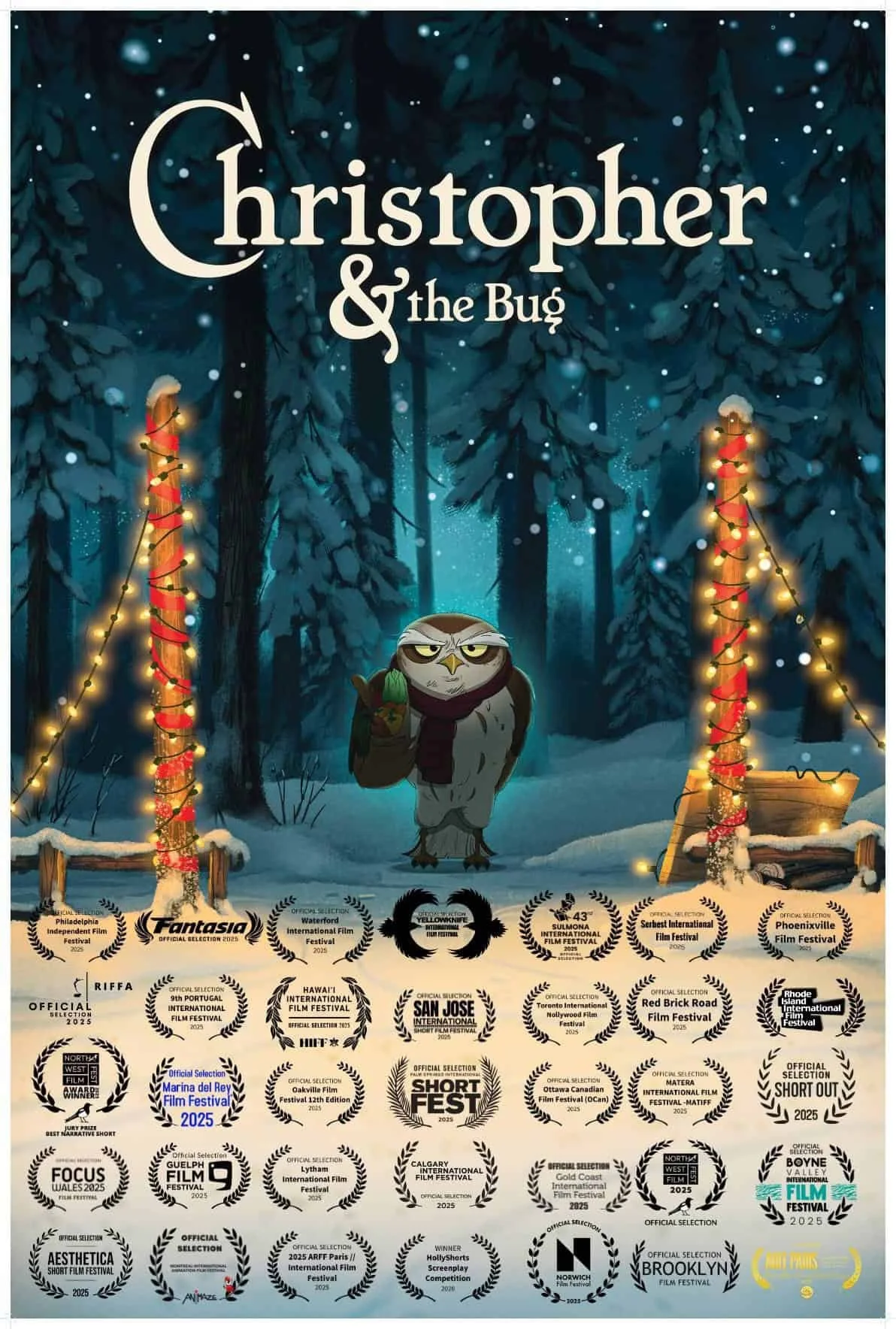
Christopher & the Bug
⭐️⭐️⭐️⭐️⭐️
Short Film (Narrative)
Film Production Company: Add the Dog
Rating: NR / Run Time: 12 minutes
Language: English
Director(s): Vanessa Esteves and Kevin Micallef
Writer: Vanessa Esteves
Starring: Benedict Campbell
“Something needed to be done.”
As we hear narrator Benedict Campbell say, “Christopher was a particular owl, who liked very particular things,” we are instantly introduced to our narrator who is just trying to get by. Living his solitary life, and wondering if something was missing in his life, he is still determined to make the best of it, and do as he pleases. Not one to engage with his peers, he just goes about his business.
However, one day, upon waking up, he sees that things are not as they usually were. In his solitary home, he is quick to discover that he has a new roommate of sorts. As our new guest makes his presence known, Christopher is quickly agitated and makes it his new mission to rid himself of this individual before everything he finds comfort in goes awry. As he makes plans, the new guest just tries to get along, but it will take a bit more to make this happen.
Equal parts warm hug and effective lesson in acceptance, Vanessa Esteves has crafted a tale that plays like the Dr. Seuss book we never had. You will even find at times that the animation of Christopher echoes our favorite green haired Christmas villain, and it only makes him that more endearing, to the point you wait for his change to come, which mini spoiler, you can assume. The 2D animation is absolutely stunning as we see Christopher move through his house with facial detail looking more anthropomorphic than it deserves to be, and many, myself included, will see themselves in this fascinating creature.
Benedict Campbell, as our narrator, is equal parts Boris Karloff and Sebastian Cabot (the narrator from the original Winnie-the-Pooh animated shorts) and keeps you engaged in this story with a heartfelt tone that you want every audio book recorded in. Choosing to have the sole narrator with no other speaking roles does well for the story as you are able to just lean into the journey of Christopher and his little companion. Paired with an adorable score by Ryan Carlson, the film All in all, this heartwarming film, with the fascinating ending, is deserving of its place among the echelon of lesson filled holiday tales.
Review by Cinephile Mike

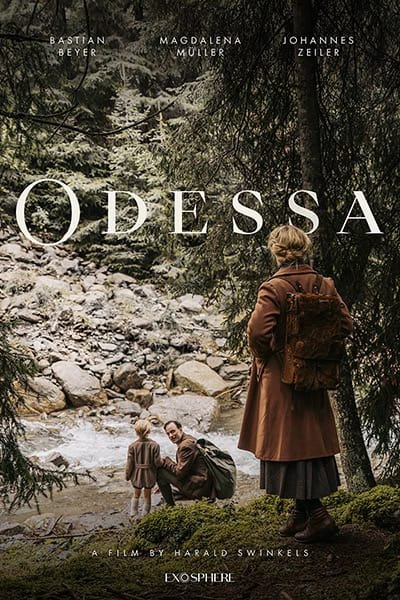
Odessa
⭐️⭐️⭐️⭐️⭐️
Short Film (Narrative)
Film Production Company: Exosphere
Rating: NR / Run Time: 19 minutes
Language: German with English subtitles
Director: Harald Swinkels
Writer: Harald Swinkels
Starring: Bastian Beyer, Magdalena Müller, Tom Peper, Gonny Gaakeer
and Johannes Zeiler
“I can’t take it anymore. Everything is…everything is too dangerous for us.”
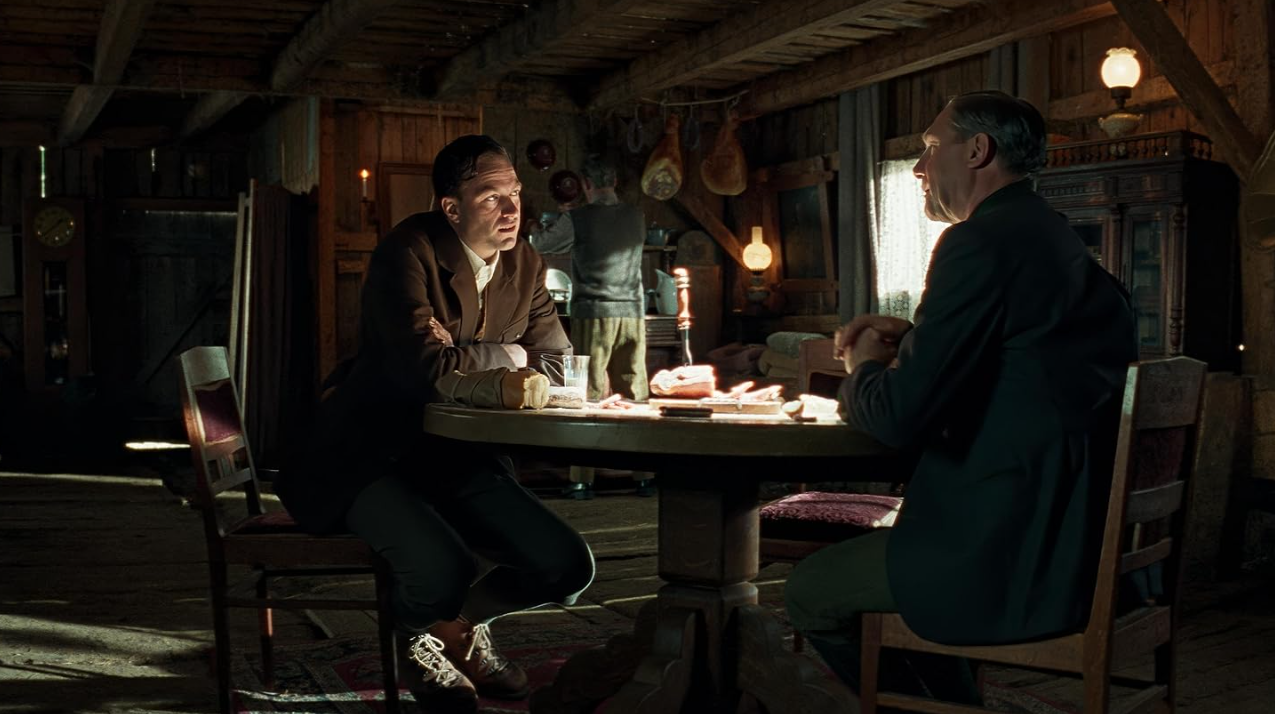
A family made up of Josef (Beyer), Irene (Müller), and their young son Rolf (Peper) are crossing the Dolomites in the final days of World War II, desperately seeking sanctuary. With only the clothes on their backs and whatever belongings they can fit into a few bags, they continue their uncertain journey. Along the way, they stop at an isolated church where they are given food before continuing through the mountains. As the trek wears on, Irene begins expressing that she can no longer continue, but Josef relentlessly pushes her forward, insisting they must keep moving for fear of being caught—though by whom, we are initially unsure.
Traveling alongside a snow-covered river, the family eventually comes upon a village, once again hoping to find refuge. Unlike the church, however, the villagers quickly identify them with the utterance of a single word. Forced to flee like thieves in the night, Josef and Irene are confronted with impossible decisions that will leave permanent scars on their future, as the grim reality they feared slowly comes to fruition.
In just 19 minutes, Swinkels crafts a fascinating glimpse into history. He tells the story of a family in crisis while exploring the ramifications of lives shaped by devastating choices. Shot on 35mm film, the movie carries a sense of realism that immediately grips the audience, beginning with breathtaking images of the surrounding mountains before plunging us into tragedy set against that stunning landscape. Cinematographer Johan Dijkstra beautifully captures this contrast, while black-and-white flashback sequences punctuate key emotional moments and tonal shifts as the family moves from fleeting safety toward inevitable danger.
The cast delivers a collection of strong performances, though it is Beyer as Josef who truly stands out. He delivers a masterclass in tonal shifts through the smallest facial movements and subtle expressions. Warm and reassuring in one moment, he can become deeply unsettling in the next. Müller, meanwhile, embodies a mother caught between loyalty to her husband and the painful understanding that difficult choices may be necessary for survival.
On the technical side, the production design, costumes, and overall craftsmanship convincingly recreate the late 1940s, while Swinkels bookends the film with compelling historical context. Those already familiar with this period of history will likely be captivated immediately, while others may come to startling realizations as the credits roll. All in all, this thriller serves as a reminder that while these events may be nearing a century old, the consequences of communication, ideology, and personal decisions continue to echo through history—and that old warning still rings true: if we fail to learn from the past, we are doomed to repeat it.
Review by Cinephile Mike
Plastic Surgery
⭐️⭐️⭐️⭐️
Short Film (Narrative)
Film Production Companies: Nice Guy Pictures, Maypole Productions and
Candlelight Films
Rating: NR / Run Time: 12 minutes
Language: English
Director: Guy Trevellyan
Writer: Guy Trevellyan
Starring: Anna Popplewell, David Buttle, Michael Kennedy, Ella Augustin
and Daniel Ings
“Another foreign object?”
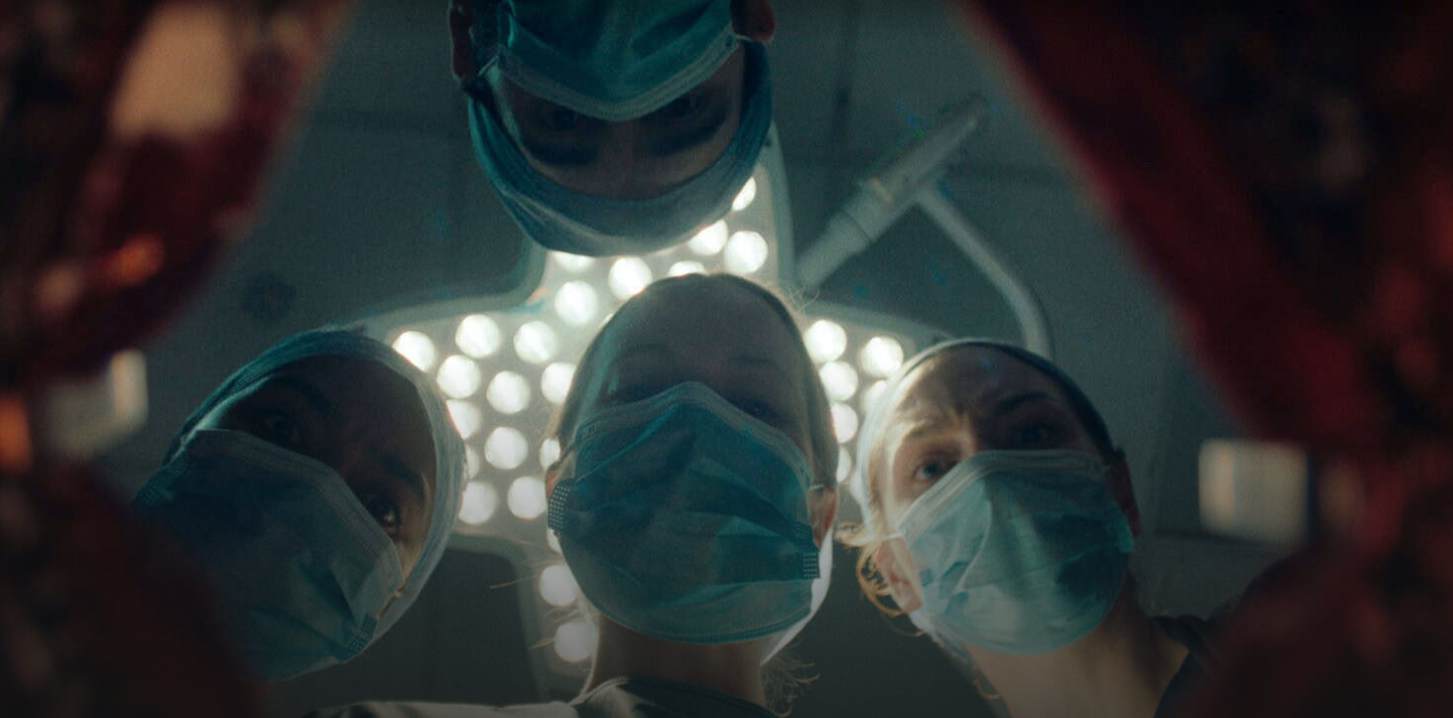
Dr. Terra (Popplewell) is preparing to begin her maternity leave from the hospital. Looking forward to the birth of her first child, her plans are quickly interrupted by a page requesting her presence in Operating Room 1. One final patient before she can leave—or so she thinks. Performing surgery on a 45-year-old man, she removes a dented, bloody plastic fork from his body. Strange, certainly, but after completing the operation, she prepares to finally head home. Before she can even change out of her scrubs, however, she is paged once again as the on-call surgeon.
Soon after, another patient arrives with an unidentified object constricting their pulmonary artery. Once again, Dr. Terra performs surgery and removes something deeply unexpected. This marks the beginning of a series of increasingly bizarre and dangerous cases, with foreign objects being extracted from patient after patient. As chaos begins to spiral throughout the hospital, Dr. Terra and her team race from room to room trying to save as many people as possible, only to discover that the danger facing these patients may be much closer to home than anyone realizes.
In his debut feature short as director, Trevellyan manages to take a pressing issue surrounding today’s environmental concerns and magnify it into a tightly constructed body-horror thriller. Popplewell delivers a magnetic performance as an expectant mother trapped within what feels like a Black Mirror-style nightmare, bringing intensity and urgency to a woman determined simply to survive the day.
Cinematographer Helena Gonzalez sustains a palpable sense of dread throughout the film, utilizing effective close-ups during the surgical sequences to heighten tension. Combined with Rebecca Wheeler’s excellent makeup and prosthetic work, the film’s body horror elements become deeply unsettling. This is further elevated by Michael Llewelyn Barker’s score, which carries an almost Bernard Herrmann-like quality, keeping audiences on edge as Dr. Terra rushes from one operating room to the next during the film’s brief but effective 12-minute runtime.
There are larger questions at the center of Trevellyan’s film that are difficult to discuss without venturing into spoiler territory, but the ideas it raises are undeniably thought-provoking. The decision to place an expectant mother at the center of this possible future—perhaps not quite this extreme, but still grounded in recognizable anxieties—adds another compelling layer to the narrative. All in all, while the film does not offer easy answers to the ecological concerns it explores, it succeeds as a cautionary tale that is certain to spark conversation, particularly after its gripping closing postscript.
Review by Cinephile Mike
Sūnna (Listen)
⭐️⭐️⭐️⭐️
Short Film (Narrative)
Rating: NR / Run Time: 13 minutes
Language: English and Gujarati with English subtitles
Director: Radha Mehta
Writer: Radha Mehta
Starring: Anisha Nagarajan, Aaliya Mehta, Behzad Dabu, Satish Brahme
and Alyssa Diaz
“It’s hard to explain why sudden hearing loss occurs.”
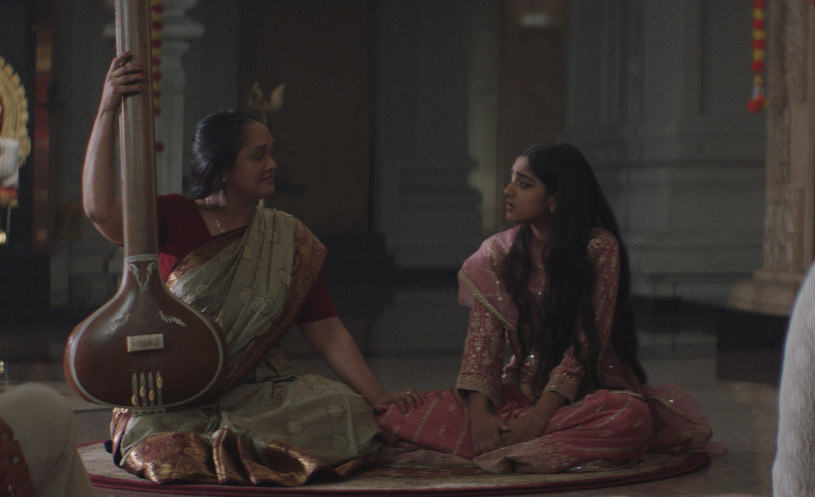
Lakshmi (Mehta) comes from a family with a deep musical legacy, and one of her greatest joys is singing alongside her mother, Savita (Nagarajan). One day, while rehearsing at the family piano, Lakshmi notices that something sounds off. Assuming the piano simply needs tuning, she hears off with her mother to the temple to perform. However, while singing, Lakshmi suddenly hits a flat note and is quickly silenced by her mother. As the day continues, she begins hearing less and less, and after leaving the temple, nearly gets struck by a car she never hears backing out.
After visiting the doctor, Lakshmi learns that her hearing loss is connected to an infection she suffered more than a year earlier. She will need specialized hearing aids to help restore her hearing, but they are not covered by the family’s insurance. With her father away working and her mother struggling to process the situation herself, Lakshmi becomes determined to reconnect with the music that defines her life. Through work with her piano, a tuner, and the tanpura, she slowly begins finding her way back to herself.
Mehta’s semi-autobiographical film is a moving story about resilience, identity, and the determination to persevere when everything feels lost. Though intimate in scale, the film carries themes that resonate far beyond its simple family-drama framework. At its emotional center is the mother-daughter relationship, beautifully portrayed by real-life mother and daughter Anisha Nagarajan and Aaliya Mehta. Their natural chemistry gives the film a warmth and authenticity that never feels forced. The third major character in the story is the music itself. Whether through the passionate performance of “Raghupati Raghava Raja Ram,” inspired by Vishnu Digambar Paluskar, or the gorgeous compositions by Dhruv Goel, the soundtrack transports viewers into a space where music feels just as alive as the characters onscreen. While there are many meaningful conversations throughout the film, it is often the quieter moments—set either against Goel’s compositions or complete silence—that resonate the most deeply.
With stunning cinematography by Isue Shin, several sequences feel as though they have been lifted directly from a painting. Even amid despair, there remains a sense of warmth and hope reflected in the performances of Nagarajan and Mehta. Their emotional honesty serves as a reminder that we all carry something within us that gives us purpose, and that holding onto those passions can help guide us through even the darkest moments. All in all, this beautiful film reminds us that no setback, no matter how large or small, should stop us from pursuing what we love most.
Review by Cinephile Mike
Vacío (Void)
⭐️⭐️⭐️⭐️
Short Film (Narrative)
Film Production Companies: Forty Entertainment, Mamma Team Productions,
Arcadia Motion Pictures, Orlando Films, Engine Room Hollywood and Pijama Studio
Rating: NR / Run Time: 14 minutes
Language: Spanish with English
Director: Javier Cano Larumbe
Writer(s): Blai Domenech and Javier Cano Larumbe
Starring: Tomeu Artigas, Javier Beltrán and María Valverde
“I think there’s something in your room…”
While sleeping to the sounds of an old home movie reflecting happier times with his parents David (Beltrán) and Sandra (Valverde), Félix (Artigas) finds comfort in memories of the past. But he is suddenly awakened by a strange sound and an ominous feeling creeping through the home. Venturing into the hallway in search of his parents, he overhears them quietly arguing in another room as David prepares to leave, much to Sandra’s distress. As Félix moves past open doorways, something unsettling appears to be lurking just beyond them. A voice seems to warn him that whatever it is, it is getting closer.
While David tries to downplay the situation and Sandra does everything she can to coax Félix back to sleep, an uncomfortable presence lingers throughout the apartment’s hallways. The growing tension between his parents causes them to dismiss the unseen force haunting Félix. He repeatedly warns them that they need to hide, but they brush off his fears as the imagination of a frightened child—which, given the circumstances, is understandable. But what exactly is this creeping despair making its way through the dark corridors of Félix’s home?
Equal parts horror film and allegory, Larumbe crafts a story rooted in a reality that, unfortunately, many children experience. He powerfully explores the psychological toll these situations can have on a young mind, channeling that fear through a haunted-house aesthetic reminiscent of Guillermo del Toro’s work. Cinematographer Àlvar Riu Dolz transforms the apartment hallways into foreboding passageways no one would willingly enter, while Bernardo Castro’s pulse-pounding score heightens the tension with a soundscape that feels both subtle and overwhelming at once. As lights flicker and Félix’s anxiety intensifies, the film delivers a visual and auditory experience that moves at such an unnerving pace that you are left thinking about what may happen long after the credits roll.
Films like this often succeed or fail based on the strength of their young lead, and Larumbe has a remarkable one in Artigas. Across the film’s brief runtime, he moves convincingly through fear, concern, confusion, and quiet desperation. As Félix pleads with his parents to listen and respond, you cannot help but root for him because Artigas grounds the role with genuine emotional honesty. He never plays Félix as simply frightened or whiny, but rather as a child who instinctively understands that something is deeply wrong. His performance becomes a powerful reminder of what happens when children go unheard, and how decisions made without explanation can leave lasting emotional scars. All in all, this terrifying short serves as a chilling reminder of the importance of communication, listening, and emotional honesty—regardless of age.
Review by Cinephile Mike