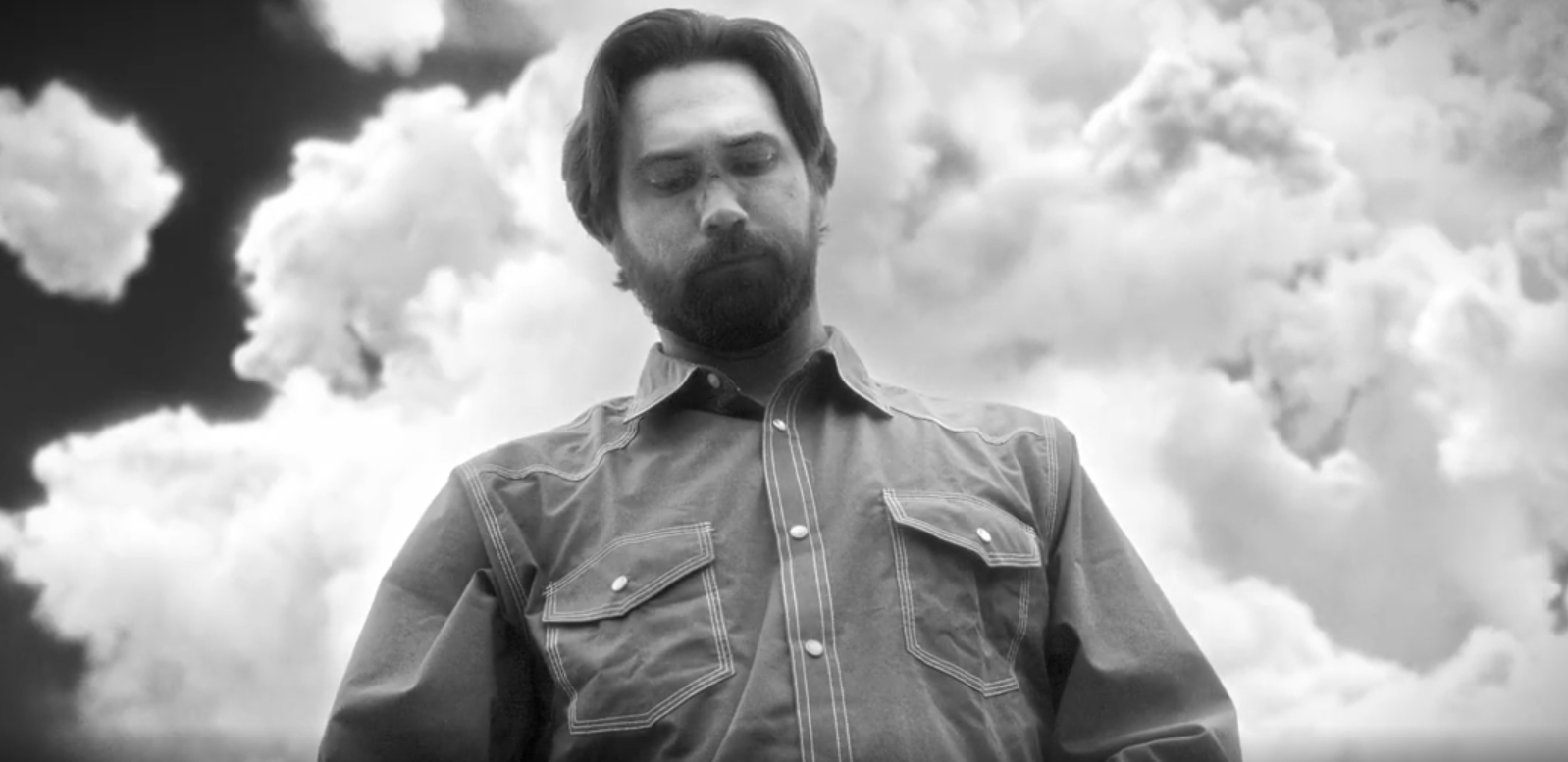
34th Raindance Film Festival - 2026
Note: Some films were seen at earlier festivals. Click any poster for the full review.


Selected Short Film Reviews
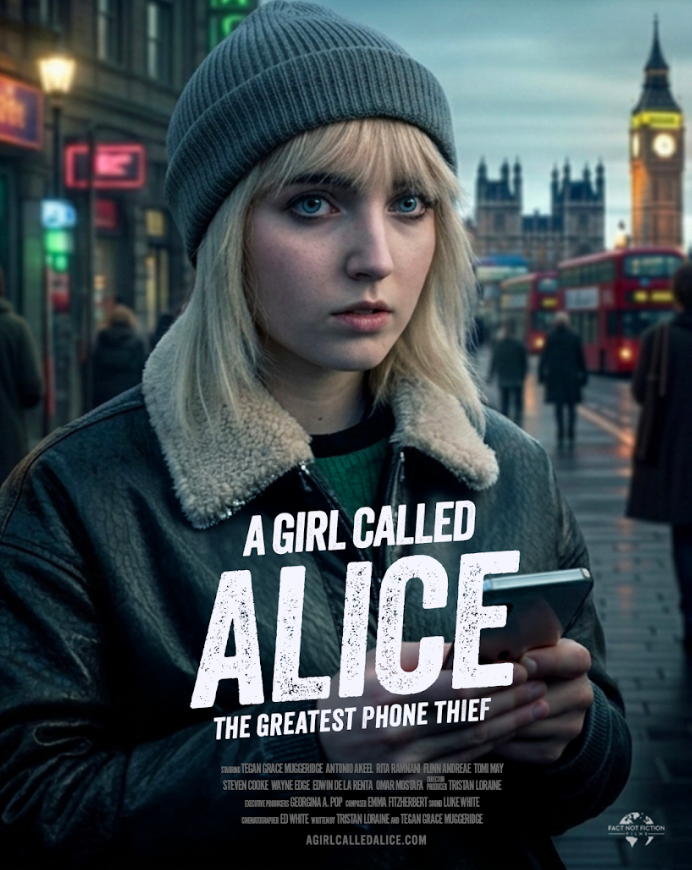


A Girl Called Alice
⭐️⭐️⭐️⭐️⭐️
A Friend of Dorothy
⭐️⭐️⭐️⭐️⭐️
Boyfighter
⭐️⭐️⭐️⭐️⭐️
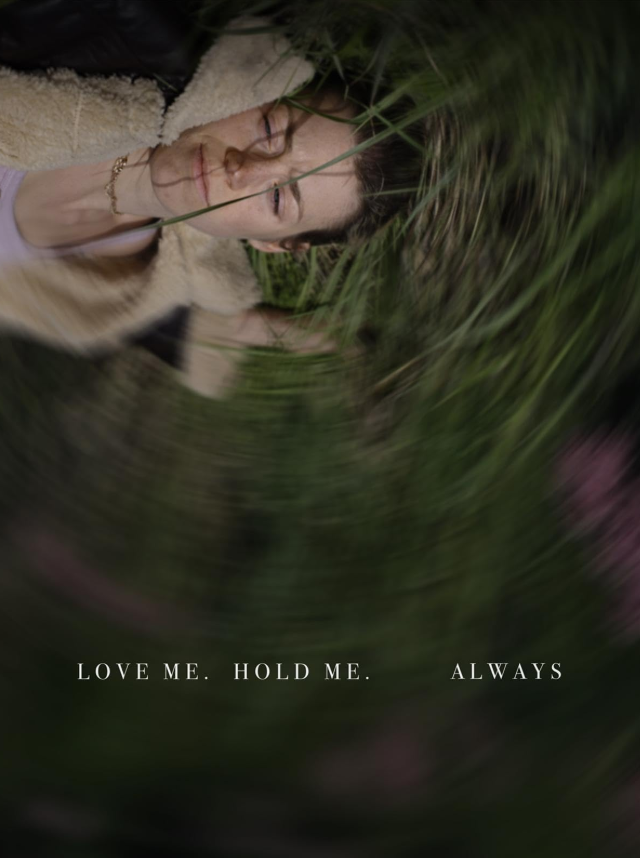
Love Me,
Hold Me, Always
⭐️⭐️⭐️⭐️
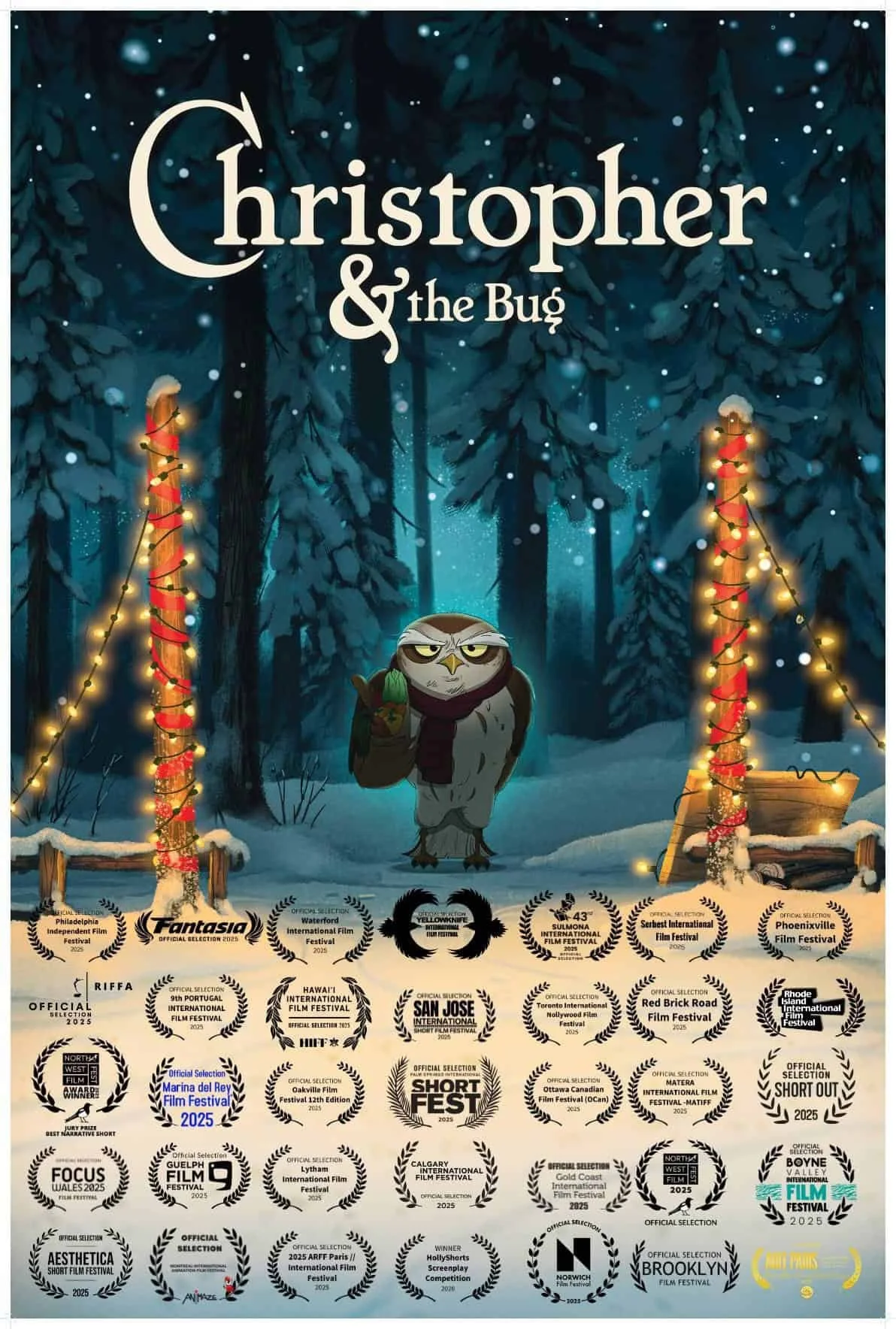
Christopher & the Bug
⭐️⭐️⭐️⭐️⭐️
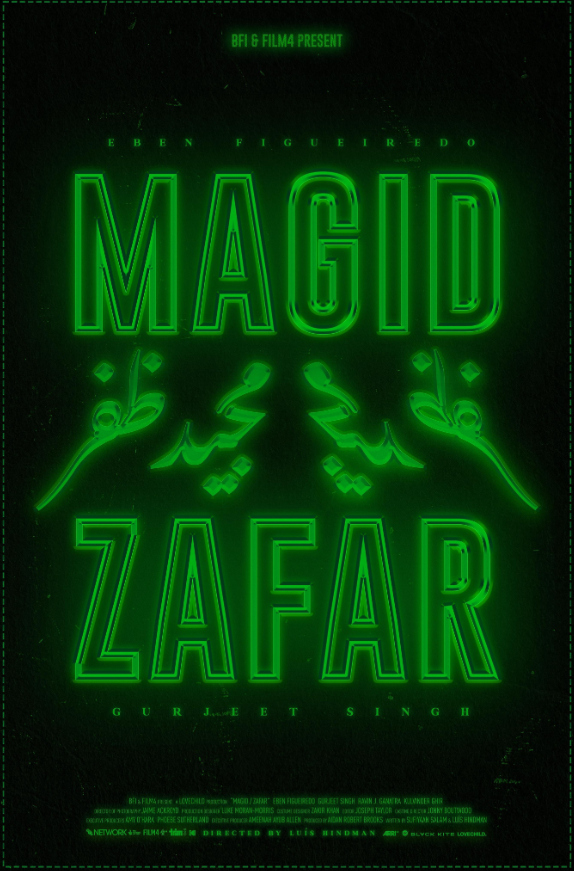
Magid/Zafar
⭐️⭐️⭐️⭐️⭐️


The Pearl Comb
⭐️⭐️⭐️⭐️⭐️
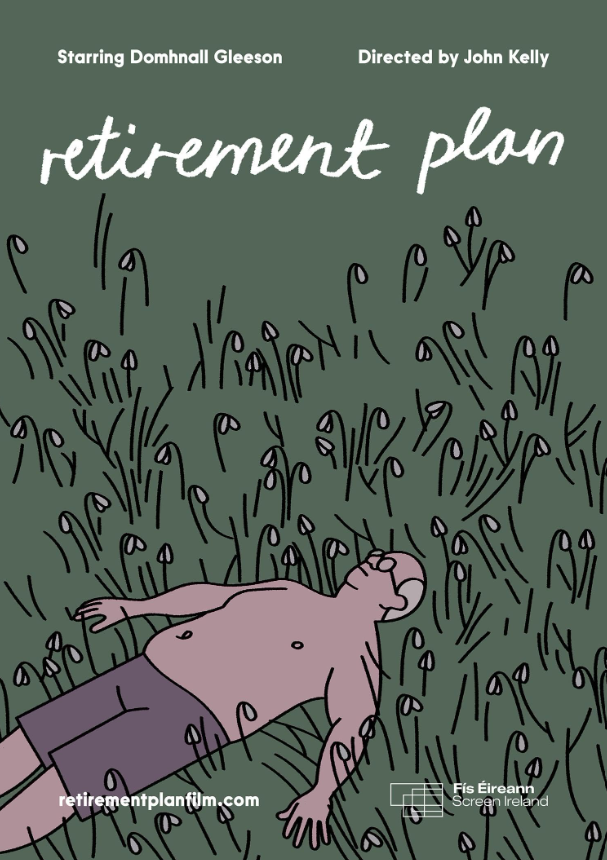
Retirement Plan
⭐️⭐️⭐️⭐️⭐️
Snipped
⭐️⭐️⭐️⭐️
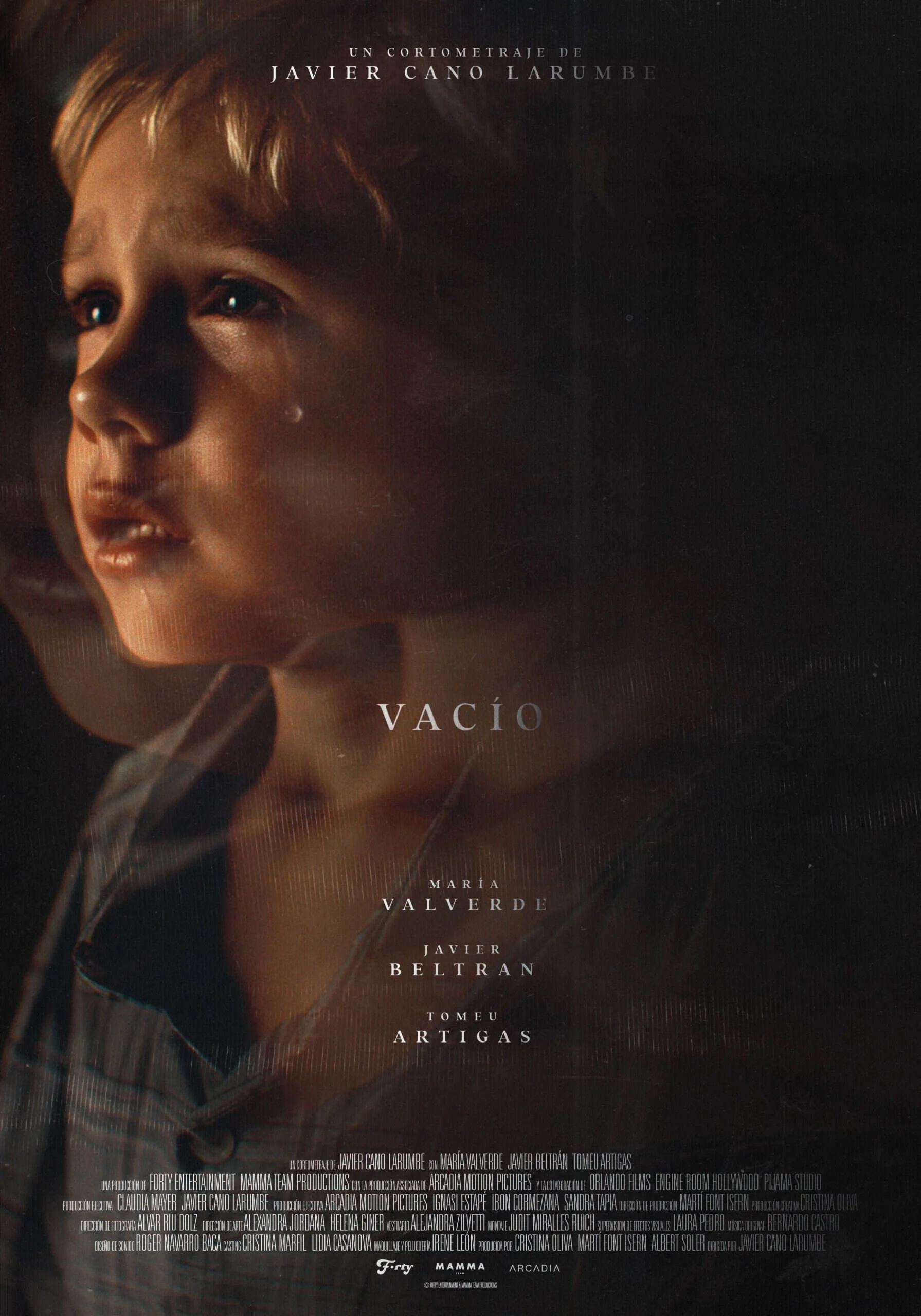
Vacío (Void)
⭐️⭐️⭐️⭐️
A Girl Called Alice
⭐️⭐️⭐️⭐️⭐️
Short Film (Narrative)
Film Production Company: Fact Not Fiction Films
Rating: NR / Run Time: 15 minutes
Language: English
Writer(s): Tristan Loraine and Tegan Grace Muggeridge
Director: Tristan Loraine
Starring: Tegan Grace Muggeridge, Antonio Aakeel, Rita Ramnani
and Flinn Andreae
“I’m looking for a new phone, if you know what I mean.”
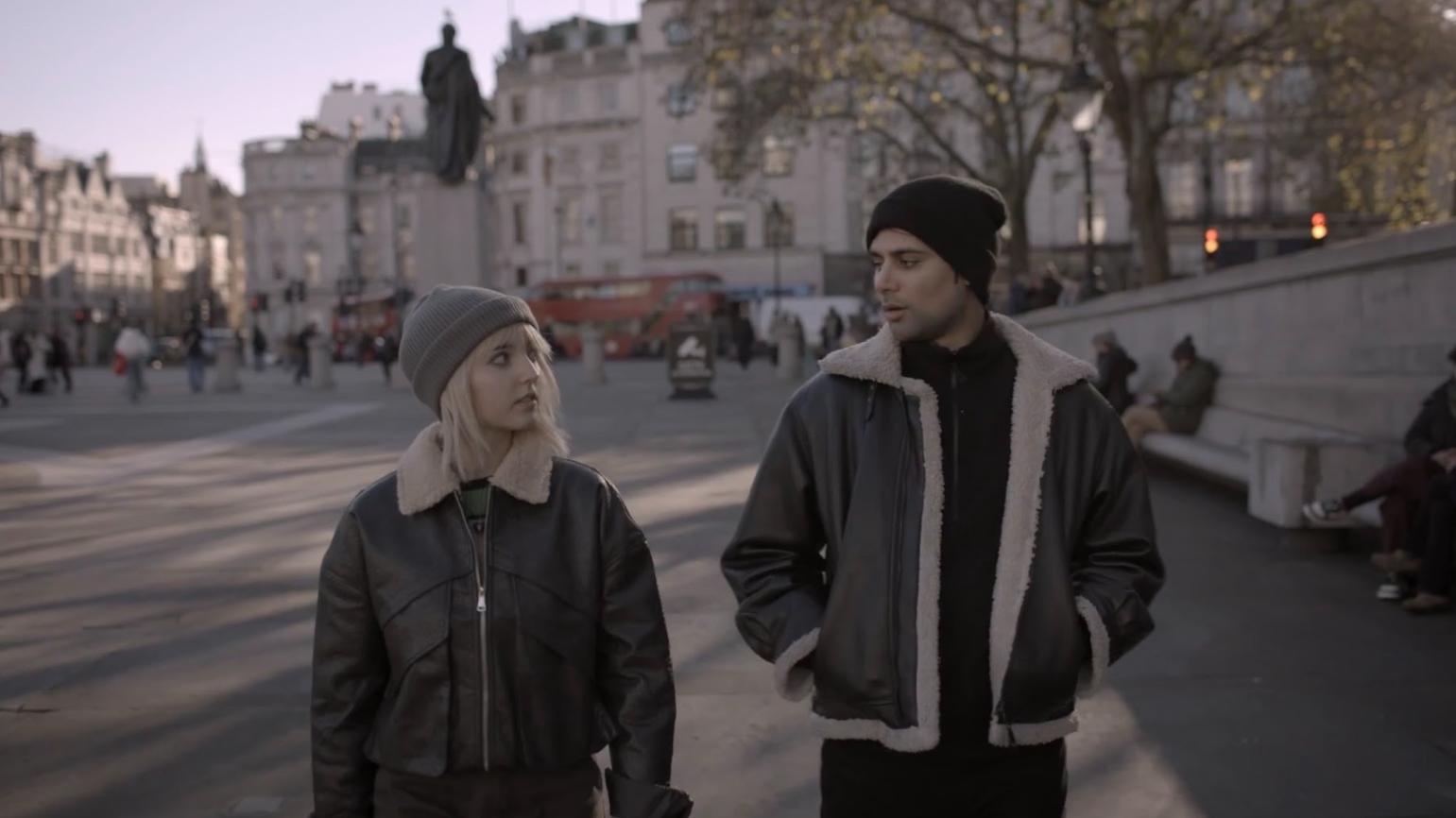
Alice (Muggeridge) is a highly skilled phone thief in London. With a reputation that precedes her, after a successful day stealing 42 units, she needs to offload them, which takes her to the infamous Tariq (Aakeel). Arriving at his office, he arranges a meeting where her skills are challenged. Claiming her record in a day beats Tariq’s, his crew challenges them to see who can be more successful, and this is Alice’s chance to prove herself. The next day, they meet up in Trafalgar Square and begin a day of pinching phones. However, unbeknownst to them, Alice’s reputation has also reached the attention of local law enforcement, and as Alice and Tariq engage in their day, the police are never far behind, leading to other complications as they go about their business. Before they know it, they are running through the streets of London.
Muggeridge and Loraine have tapped right into the cell phone theft crisis with a timely and exciting short that subverts expectations in all the best ways. In Alice, Muggeridge creates a fascinating character who immediately commands attention. Whether navigating tense situations or matching wits with those around her, she carries herself with a confidence that makes her instantly compelling to watch. The film only scratches the surface of who Alice is, yet it leaves you wanting to spend more time with her long after the credits roll.
Loraine, also serving as editor, crafts a gripping thriller that moves at a relentless pace. Cinematographer Ed White captures the energy of London through sweeping shots of the city and crowded public spaces, emphasizing just how easy it is for someone to disappear into the flow of everyday life. The chase sequences are energetic, the tension steadily builds, and the film makes excellent use of its compact runtime.
What ultimately elevates A Girl Called Alice is its ability to continually shift the audience’s perspective. Just when you think you understand the game being played, the film finds a way to reframe what has come before. Rather than feeling like a proof-of-concept short, it feels like the opening chapter of a much larger story. By the time the credits roll, you are left wanting to spend more time with these characters and this world. All in all, this clever thriller proves that first impressions can be deceiving.
For an exclusive conversation with co-writer/director Tristan Loraine and co-writer/star Tegan Grace Muggeridgel, click HERE.
Review by Cinephile Mike
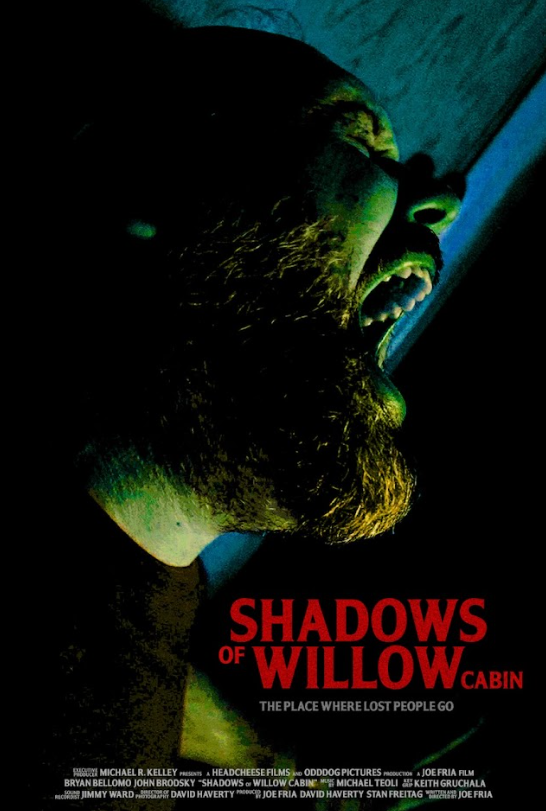
Shadows of Willow Cabin
⭐️⭐️⭐️⭐️
Feature Film (Narrative)
Film Production Companies: Headcheese Films and OddDog Pictures
Rating: NR / Run Time: 112 minutes
Language: English
Director: Joe Fria
Writer: Joe Fria
Starring: Bryan Bellomo, John Brodsky, Stan Freitag, Jimmy Ward
and Keith Gruchala
“Make me a willow cabin at your gate, and call upon my soul within the house.”
Albert (Bellomo) has traveled to his uncle's cabin in the woods. He is planning a romantic rendezvous with Devon (Brodsky), a man he has recently started a relationship with. The two have yet to meet in person, their connection existing primarily through FaceTime calls and text messages. Albert is nervous, and those nerves only increase when Devon arrives. Devon, confident and happy to be there, is immediately charmed by the cabin and its surroundings. As Albert shows him around, he shares some of the tragic history of the property. His uncle committed suicide there decades earlier, and Albert admits he has not returned to the cabin in more than thirty years. Albert's nervous energy is palpable, but Devon does his best to put him at ease.
The two begin settling into the environment. Some wine, time in the hot tub, Shakespeare quips, and personal revelations slowly break down the barriers between them. Albert reveals that he is married with a son at home and that his wife knows nothing about Devon. Surprisingly, Devon is unfazed, admitting this is not the first time he has become involved with a married man. These disclosures only scratch the surface of what is really happening between them, and before long, the cabin seems to absorb that emotional weight and turn it back on them.
Almost immediately, the men begin experiencing visions both familiar and unsettlingly unfamiliar. As the days pass, the environment around them starts to shift. The walls seem to close in, escape becomes increasingly difficult, and the cabin transforms into a prison of secrets, guilt, and uncertainty. As they uncover more about each other and themselves, the situation spirals toward a devastating confrontation.
To say much more would spoil what writer/director Joe Fria is building toward. We have certainly seen variations of the haunted cabin premise before. Usually someone has a connection to the location or the protagonists simply find themselves in the wrong place at the wrong time. Here, however, the horror is rooted less in the cabin itself and more in what Albert and Devon bring into it. Their fears, regrets, and hidden truths become the fuel that drives the story. Beneath the supernatural elements is a film about identity, honesty, and the consequences of avoiding difficult truths. Fria uses horror as a lens through which these struggles are amplified.
To tell this story, Fria benefits greatly from the pairing of Bellomo and Brodsky. Their chemistry feels natural from the start, making it easy to invest in their relationship despite the complicated realities surrounding it. Both characters have made questionable decisions, yet the performances invite sympathy rather than judgment. As more layers are peeled back, and as additional revelations emerge, the emotional stakes become increasingly compelling, even if a few developments feel slightly convenient for the sake of the narrative.
Visually, the film makes effective use of both traditional jump scares and quieter moments of unease. Fria understands that anticipation can often be more unsettling than the scare itself, and he keeps the audience slightly off balance throughout. Michael Teoli's score adds to that uneasiness, while cinematographer David Haverty captures the cabin with a sense of growing claustrophobia. As Albert and Devon become trapped by both the location and their own choices, the audience begins to feel trapped alongside them. While the resolution arrives a bit quickly after spending nearly two hours with these characters, the final moments leave behind an intriguing idea that lingers after the credits roll. All in all, this atmospheric psychological horror film reminds us that the secrets we bury rarely stay hidden forever, and forces us to consider whether keeping them is worth the price we ultimately pay.
For an exclusive conversation with writer/director Joe Fria, click HERE.
Review by Cinephile Mike

Whiteness
⭐️⭐️⭐️⭐️
Feature Film (Mixed Media)
Film Production Companies: Dodge Cine, JMAC Pictures,
Lumapix Creative Studios
Rating: NR / Run Time: 106 minutes
Language: English
Writer: Alessio Cappelletti
Director: Alessio Cappelletti
*NOTE - “Scrub Me Mama with the Boogie Beat” written by Ben Hardaway and
Darrell Calker and directed by Walter Lantz
Starring: Normeka Ageous, Mel Blanc, Christian De Gré Cárdenas, Lamont Douglas, Breckin Ellis, Carmen Ferrell, Stephanie Heitman, Briss Moss and Britton Webb
“I need you to provoke me.”
The above line of dialogue is exactly what writer/director Alessio Cappelletti wants to do with his anthology of collected films in Whiteness. Combining three short films and one feature, he asks us to look at race relations throughout history and examine the impacts of what has been, where we are, and where we are going. Cappelletti merges live action with animation and the incorporation of historical films to promote a conversation that is, at times, uncomfortable.
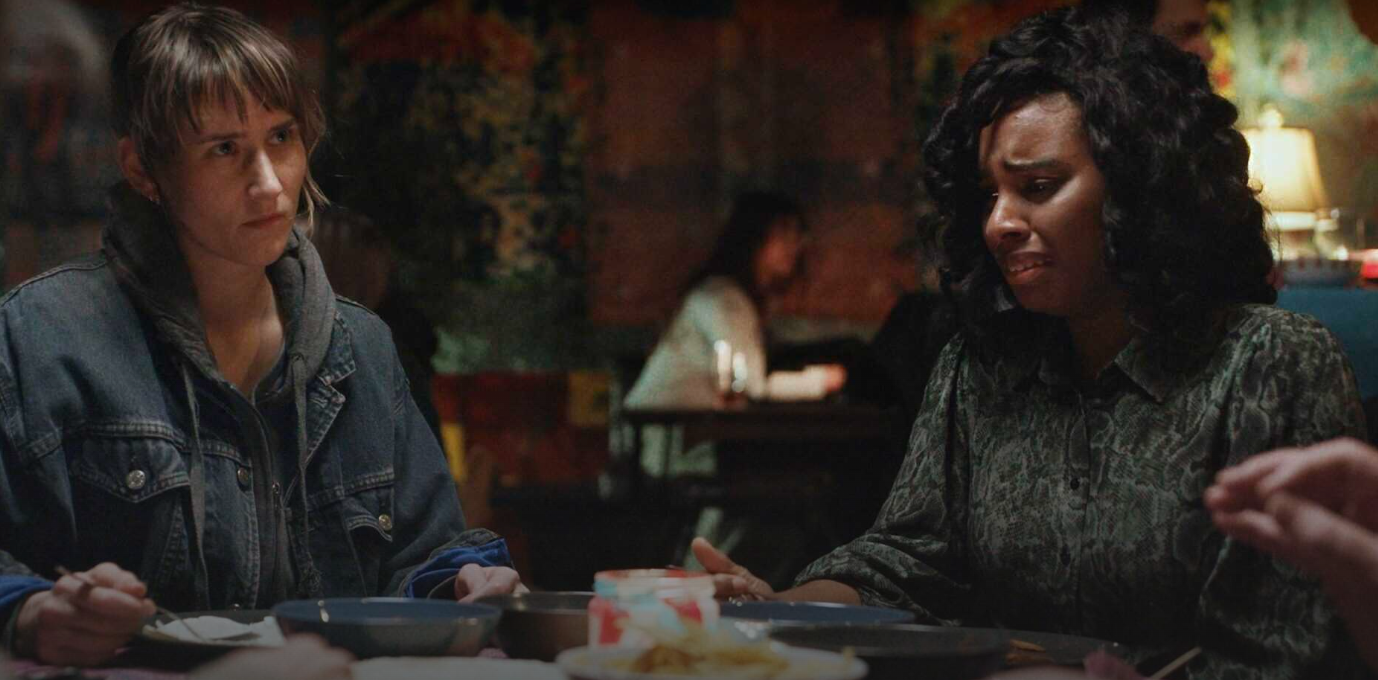
The first segment is a short film entitled And That's That..., which sees a husband (De Gré Cárdenas) and wife (Heitman) sharing a meal in what appears to be an elegant dining room. However, on this night, on the eve of the end of white aristocracy as a ruling class, it proves difficult for either of them to say a kind word to the other. While one attempts to accept the changes taking place around them as their social influence fades, the other cannot. As they eat a meal of dry steak and mixed frozen vegetables, tensions escalate as the veneer of civility begins to crack. Cinematographer Chase Garcia employs an interesting split-screen approach, pairing wide shots of the couple with close-ups that emphasize both action and dialogue. Interspersed throughout are picture-in-picture images of historical and contemporary warfare, highlighting the couple's relationship to the world around them. As their reality continues to unravel, drastic actions lead to life-altering consequences.
Following this piece is a pair of World War II-era films. The first is a restored propaganda short entitled Teamwork, which opens and closes with the warning, "This film will not be shown to the general public without permission of the War Department." The film depicts white and Black soldiers uniting with a common goal: defeating the Nazis. Setting aside the social constructs of racism, it presents a united front while also raising fascinating questions when flyers are discovered encouraging Black soldiers to join the German side, promising they would be treated better there. Propaganda at its most direct, the film offers a glimpse into a lesser-discussed aspect of the war effort.
The second of the World War II-era films is the restored, previously banned animated short Scrub Me Mama with a Boogie Beat, produced by Castle Films and featuring the unmistakable voice of Mel Blanc. Set in Lazy Town Landing, the residents appear to spend their days sleeping, lounging, and moving at an exaggeratedly sluggish pace. The men gather near the docks while a lone woman slowly works away at the town laundry. One day, a riverboat arrives carrying a light-skinned woman who sings about life in Harlem and seemingly breathes energy into the sleepy town. It is easy to understand why the film was banned. A product of its era, the animation depicts its Black characters with exaggerated, primate-like features and perpetuates harmful stereotypes. The film serves as an uncomfortable but important reminder of how race was represented in popular culture at the time.
The anthology concludes with the feature film Wretched Earth, which follows Beau (Ellis), a young white boy living with his father Hank (Webb) and mother Mae (Ferrell) in the Jim Crow-era American South. The day has come for Beau to learn about the family business, which extends far beyond the small store they own. Driving deep into the woods, Hank reveals another enterprise entirely: disposing of Black individuals who have violated the racial codes of the region, and planting trees on the burial sites (creating more trees for devastating purposes). On this particular day, that includes Clarence (Douglas), Loretta (Ageous), and their son Teddy (Moss). As Hank forces Clarence to dig their graves, he explains that he has nothing against Black people personally, but insists he must do what is necessary to protect his own family in the world they inhabit. From there, the story takes a dramatic turn as questions of morality, survival, and personal responsibility collide, leaving no one untouched.
When viewed as a complete work, the four pieces function less as separate stories and more as a conversation with one another. Each examines race, privilege, and power through a different lens, allowing Cappelletti to approach the subject from multiple perspectives rather than offering a singular answer. The stronger connective thread exists between Teamwork, Scrub Me Mama with a Boogie Beat, and Wretched Earth—particularly as selections from the animated short are incorporated into the latter film. Together, they create a fascinating progression that examines both the ways racial attitudes were normalized and the lasting consequences of those beliefs.
While the ideas of race and class present in And That's That... align with the anthology's broader themes, it remains the most detached of the four segments. As an opening piece, its focus on an upper-class couple confronting the collapse of their social standing feels somewhat removed from the more direct examinations that follow. That said, it ultimately functions as a thematic entry point into the larger conversation Cappelletti is constructing. Cinematographer Chase Garcia delivers compelling visual work across both narrative pieces, employing striking black-and-white imagery accented by bursts of color in Wretched Earth. Juxtaposed against the more stage-like presentation of And That's That..., the latter film possesses a scope and emotional weight that prove difficult to match. Likewise, composer Oscar Rossignoli's contributions effectively underscore the tension and drama throughout, whether working alongside classic Vivaldi orchestrations in the opening short or collaborating with Sam Craft on Wretched Earth.
While I found myself more captivated by the world of Wretched Earth and wishing that story had additional room to breathe, the anthology succeeds because it is interested in examining the issue from multiple angles rather than providing easy answers. All in all, this anthology is a thought-provoking piece of cinema that reminds us of where we have been and shows how far we still have to go.
For an exclusive conversation with writer/director Alessio Cappelletti, click HERE.
Review by Cinephile Mike