Tribeca Film Festival 2026
Reviews are separated based on festival category.
Please check back as reviews will be posted throughout the festival along with exclusive interviews with the creative forces behind the films both feature and short!!!
Gala
Spotlight+
Sara Bareilles: Good Grief
⭐️⭐️⭐️⭐️⭐️
Hadestown: The Musical
⭐️⭐️⭐️⭐️
Reunions & Retrospectives
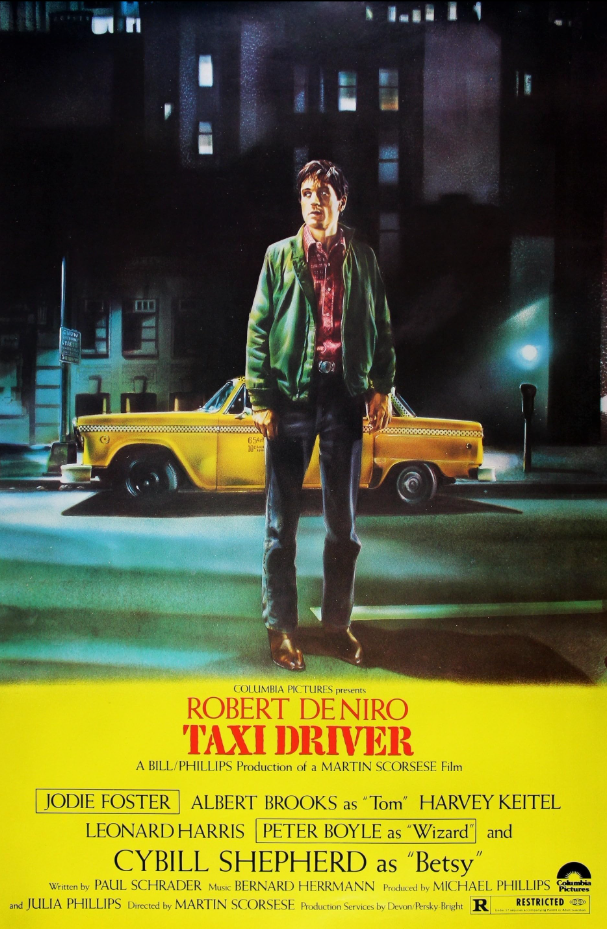
Taxi Driver
⭐️⭐️⭐️⭐️⭐️
Small Town Gay Bar
⭐️⭐️⭐️⭐️
US Narrative Competition
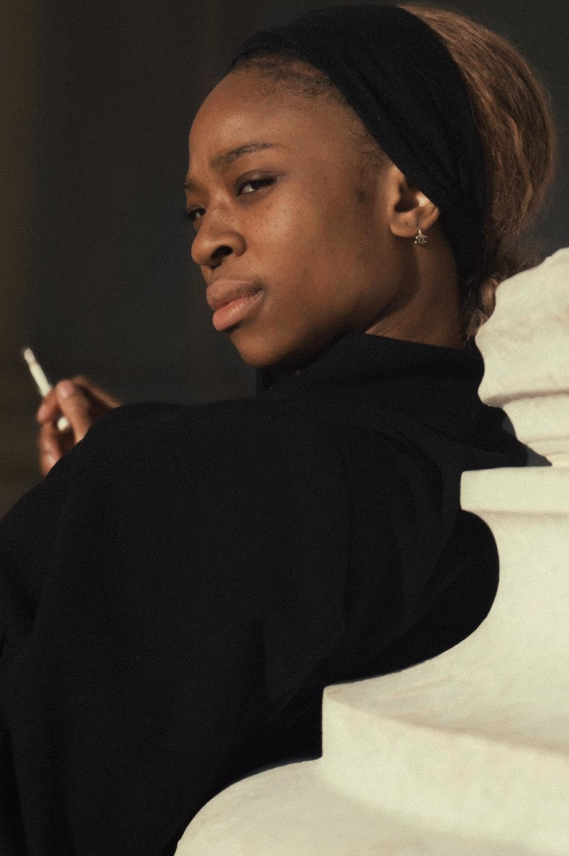
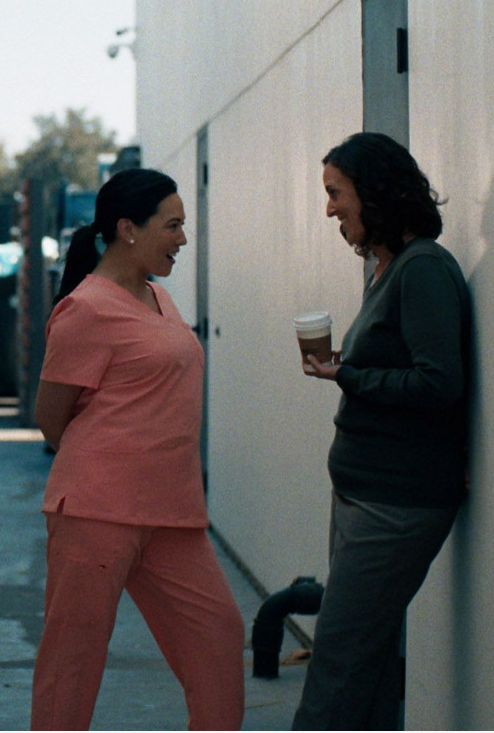
She Keeps Me Young
⭐️⭐️⭐️⭐️
Kingston
⭐️⭐️⭐️
Viewpoints
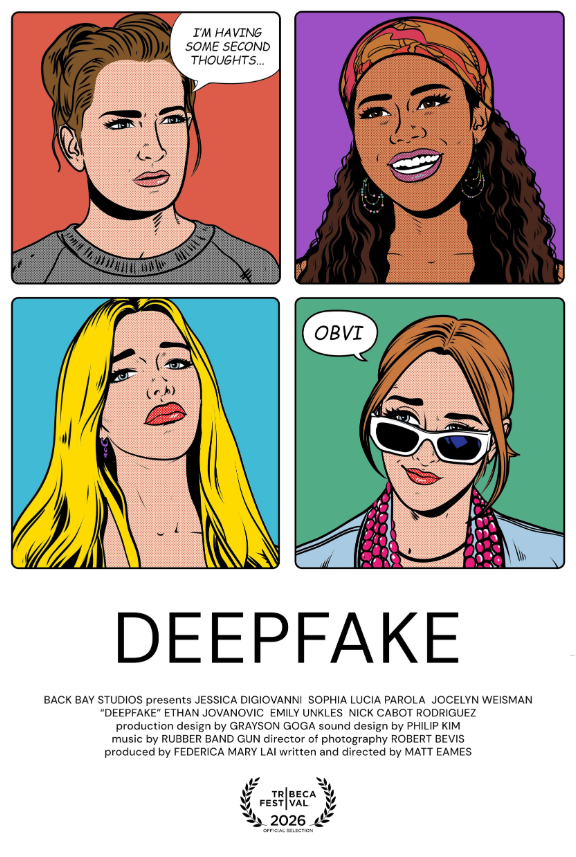
Deepfake
⭐️⭐️⭐️⭐️
Human Theories
⭐️⭐️⭐️
Spotlight Documentary
Bob and David Climb
Machu Picchu
⭐️⭐️⭐️⭐️
IX XI
⭐️⭐️⭐️
Hollywood Does Abortion
⭐️⭐️⭐️⭐️
Documentary Competition
Kids Like Me
⭐️⭐️⭐️⭐️⭐️
Mexicanamerican
⭐️⭐️⭐️⭐️
Selected Festival Shorts
32 B
⭐️⭐️⭐️⭐️
ChikaBOOM!
⭐️⭐️⭐️⭐️⭐️
Disc
⭐️⭐️⭐️⭐️⭐️
Fabric
⭐️⭐️⭐️⭐️
Fault
⭐️⭐️⭐️⭐️⭐️
General Admission
⭐️⭐️⭐️⭐️
Getar Hero
⭐️⭐️⭐️⭐️
Holo
⭐️⭐️⭐️⭐️
I’m Not Home
⭐️⭐️⭐️⭐️⭐️
Kaya
⭐️⭐️⭐️⭐️
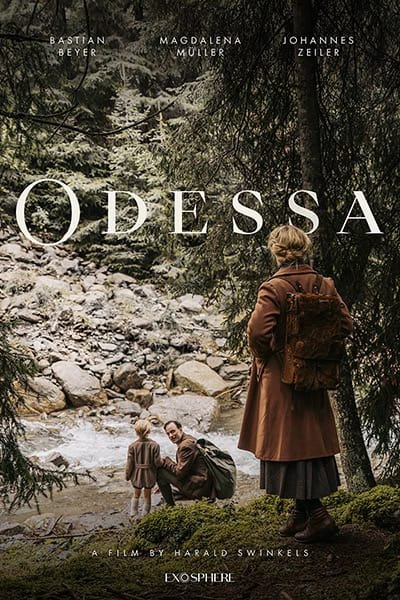
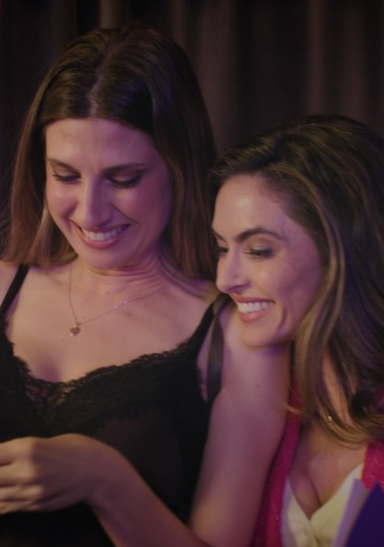
Odessa
⭐️⭐️⭐️⭐️⭐️
Reconstructing Charlie
⭐️⭐️⭐️⭐️
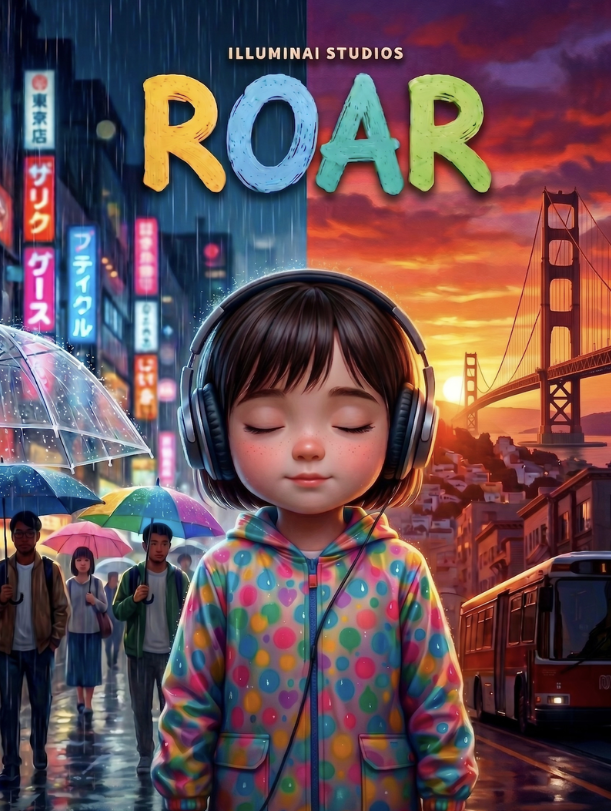

Roar
⭐️⭐️⭐️⭐️
Saba
⭐️⭐️⭐️⭐️⭐️

Selah
⭐️⭐️⭐️⭐️⭐️
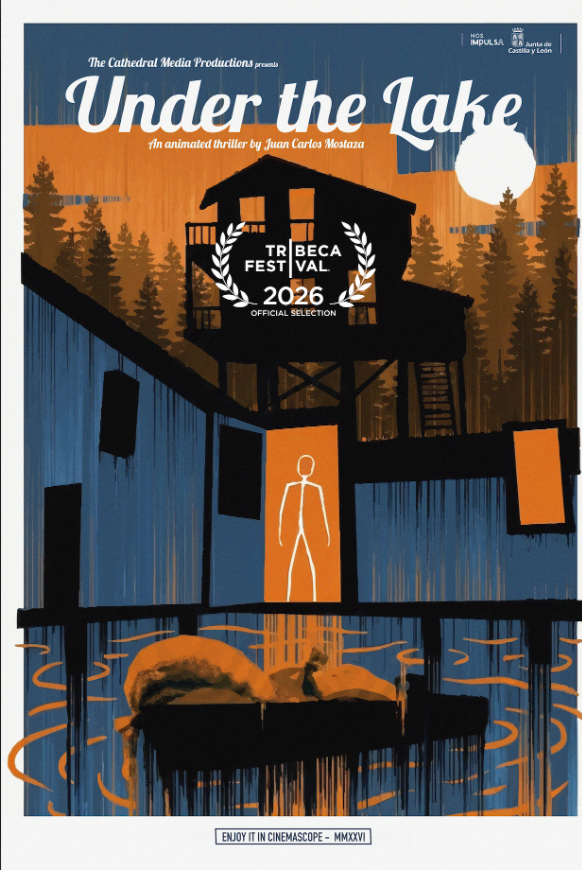
Under the Lake
⭐️⭐️⭐️⭐️⭐️
Violet and Marlowe
Rob a Bank
⭐️⭐️⭐️⭐️
Whale 52
⭐️⭐️⭐️⭐️
IX XI
⭐️⭐️⭐️
Feature Film (Documentary)
Film Production Company: Luzan Creative
Rating: NR / Run Time: 86 minutes
Language: English, Urdu, Mandarin, Chinese and
Spanish with English subtitles
Writer: Sean Wilsey
Director: Sean Wilsey
Featuring: Amadeua Broger, Roz Chast, Michael Cuomo, Griffin Dunne,
Irma Ellis, Neria Goodsell, Kevin Langford, Colin Moynihan, Kifah Shah, Pat Smith, Stefan Springman and Nell Zink
“A gorgeous night tainted by the fact that 10…20…30,000 people died just today.”
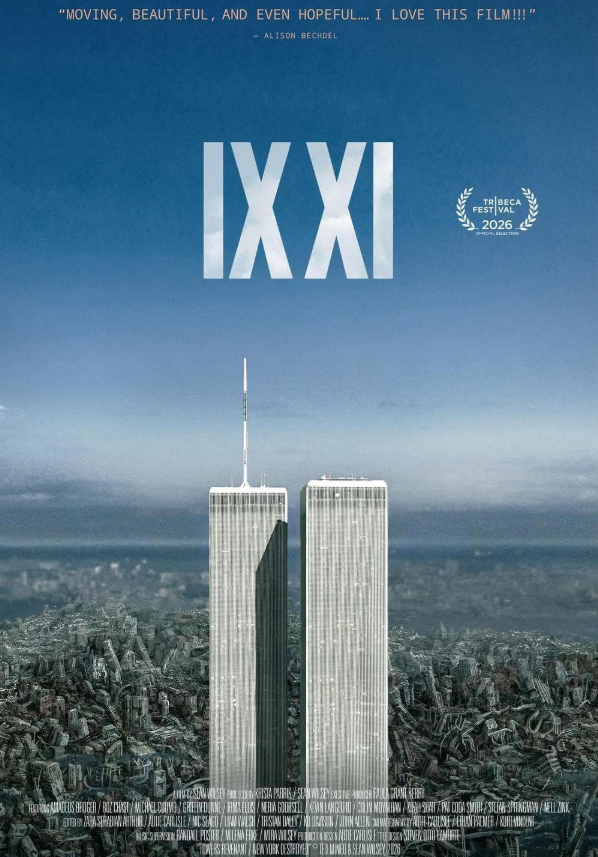
Almost everyone alive remembers where they were on September 11, 2001. The events of that day, nearly twenty-five years ago, have had ramifications in ways the younger generation cannot fully fathom. Whether you were directly connected to someone there or witnessed it unfold on television, the images remain seared into memory. In the intervening years, there have been documentaries, novels, plays, films, and countless news reports examining the attacks and their aftermath. Now, the newest entry into that history is Sean Wilsey's documentary IX XI. From the start, the film makes it clear that it is "not about the people killed in the tragedy, or their loved ones. It is about twelve people who were physically unharmed but were still deeply affected by that day," a statement that rings true for many.
We meet twelve individuals from different walks of life, including restaurateur Amadeua Broger, cartoonist Roz Chast, actor and former real estate agent Michael Cuomo, actor/director Griffin Dunne, former special events coordinator for EF Hutton Irma Ellis, Nichiren Buddhist Church leader Neria Goodsell, UPS manager Kevin Langford, New York Times reporter Colin Moynihan, community organizer Kifah Shah, professional skateboarder Pat Smith, former ABC News cameraman Stefan Springman, and novelist Nell Zink. Coming from different ethnic, cultural, and professional backgrounds, they collectively paint a portrait of the many New Yorkers who experienced that historic moment. Each shares their story, from the day before the attacks to the day itself and the aftermath that followed.
Some of these stories echo accounts audiences may have heard before, whether it is Springman documenting events near Ground Zero or Dunne waiting anxiously by the phone for news from friends and loved ones. Others highlight the more painful realities that emerged in the aftermath. Shah, for example, recalls returning to the city after spending time with family in Palm Springs only to face suspicion and accusations because she was Arab. Suddenly, the city she had always called home viewed her through a very different lens, and she found herself struggling to navigate a place that no longer felt quite as familiar.
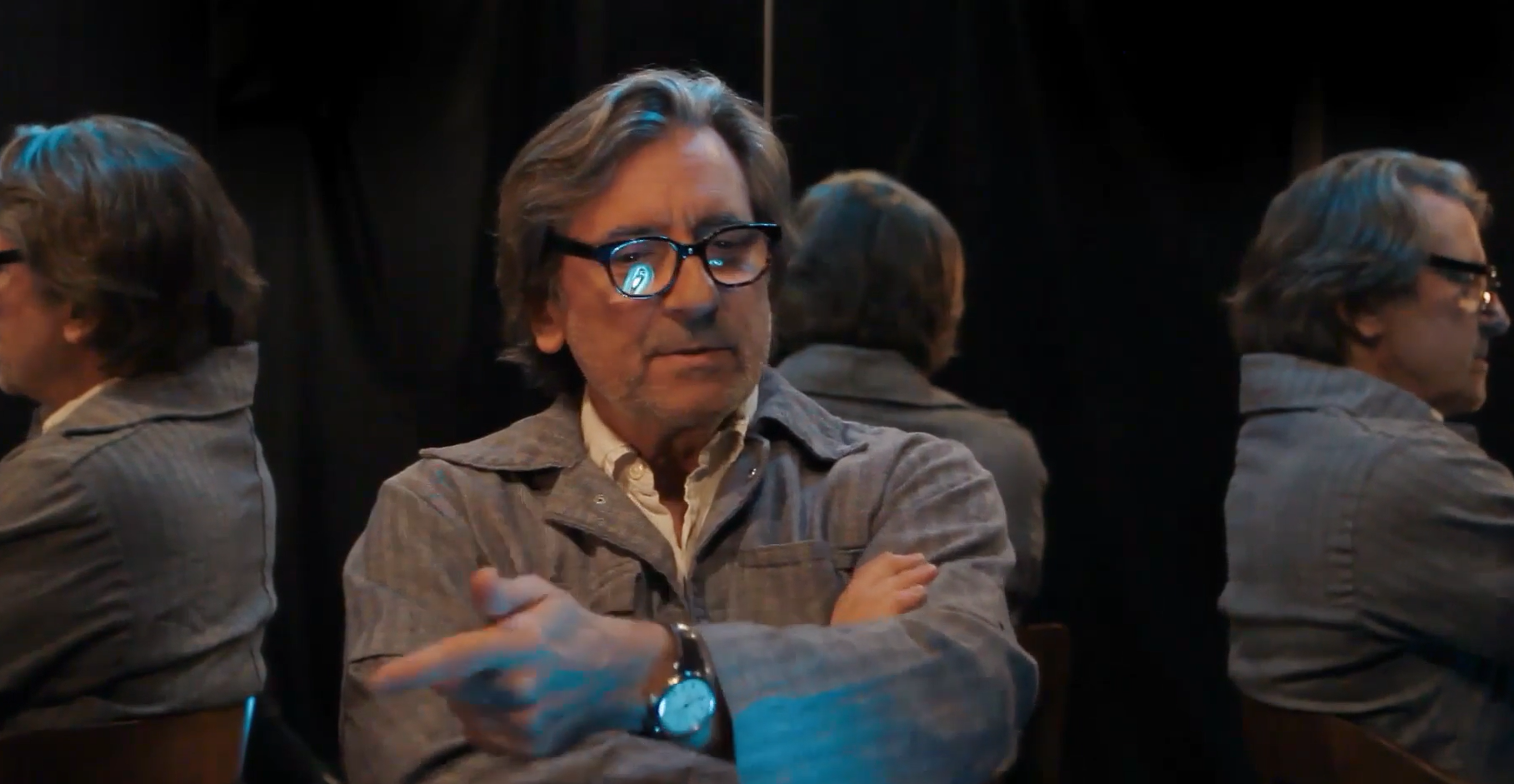
As the film moves between its subjects, Wilsey and his cinematography team make a fascinating stylistic choice in how the interviews are presented. While Wilsey keeps himself entirely off-camera and unheard, the participants are often seated in rooms surrounded by mirrors or at a table covered in water, allowing reflections of their faces to appear throughout the frame. The effect underscores the introspective nature of the film as each person reflects on a day that forever altered their lives. While every participant has something meaningful to contribute, some stories prove more engaging and emotionally resonant than others, and it is here where one wishes Wilsey had spent more time. Perhaps there are simply too many subjects for the film's runtime, even if the intention behind the approach is understandable. As a result, some stories connect more deeply than others, though individual viewers will likely find themselves drawn to different perspectives.
Additionally, the documentary reminds us of the event through archival footage of the planes striking the towers and images of the city that never sleeps suddenly falling silent. Interwoven with these moments are film clips, including some featuring Dunne, along with scenes from classic films that help capture both the broader New York experience and the perspectives of several immigrant voices featured throughout the documentary.
While there may be a plethora of projects marking the anniversary of 9/11 on the horizon, IX XI distinguishes itself by focusing less on the tragedy itself and more on those who witnessed it. Wilsey succeeds in assembling a diverse cross-section of New York City residents whose stories demonstrate how a single day can reverberate through countless lives in vastly different ways. Yet, as compelling as many of these accounts are, one cannot help but wonder whether a smaller group of subjects might have allowed the film to dig deeper into its most fascinating stories. The breadth of perspectives is admirable, but it occasionally comes at the expense of emotional depth. All in all, this documentary serves as a thoughtful reminder that the impact of September 11 extended far beyond those directly caught in the attacks, even if its ambitious scope prevents some of its strongest stories from reaching their full potential.
Review by Cinephile Mike
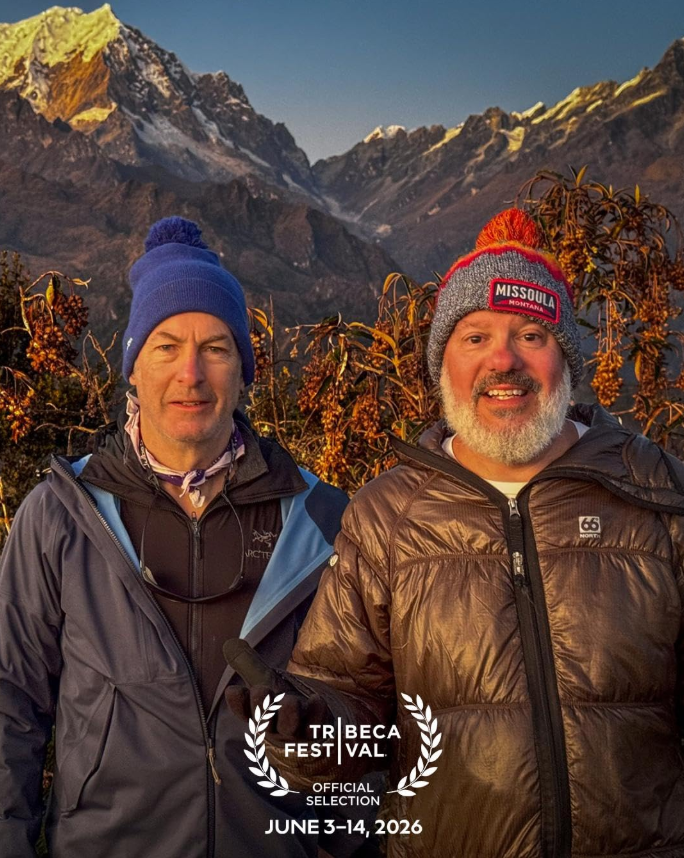
Bob and David Climb Machu Picchu
⭐️⭐️⭐️⭐️
Feature Film (Documentary)
Rating: NR / Run Time: 80 minutes
Language: English
Director: Michael LaHaie
Starring: Bob Odenkirk and David Cross
“Friendship can take you to some strange places.”
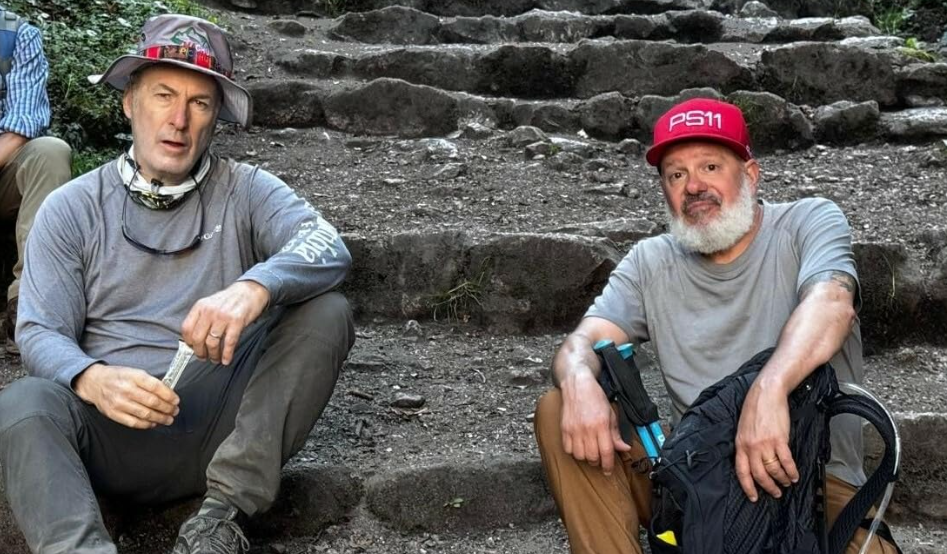
In the great world of comedy duos—Farley and Spade, Fey and Poehler, Wiig and Mumolo, Smith and Mewes—you would be hard-pressed not to include Odenkirk and Cross. It is a pairing that some viewers may not immediately recognize unless they were fans of the short-lived cult favorite Mr. Show with Bob and David. The two first crossed paths when Odenkirk was working on The Ben Stiller Show and Cross was serving as a writer. Since then, both have faced professional and personal challenges, but one thing has remained constant: their friendship.
Cross had long dreamed of climbing Machu Picchu and was searching for a way to make it happen. Following Odenkirk's heart attack in 2021, however, the idea took on a new sense of urgency. Cross began looking at life differently, while Odenkirk openly reflects on how the experience forced him to confront his own mortality. Together, they decide to embark on what they jokingly refer to as a "vision quest" to Peru, finally crossing a major item off their bucket lists. What follows is not simply a travel documentary, but an unfiltered look at friendship, aging, fatherhood, and two careers that have remained intertwined for decades.
The documentary alternates between preparations for the trip and the hike itself, led by their faithful guide Jose. Beginning at the base of the trail, the pair set out on a four-day, 26-mile journey that takes them through some of the most breathtaking landscapes in Peru, including Warmiwañusca (Dead Woman's Pass), which rises more than 13,000 feet above sea level. Along the way, they interact with locals—including a particularly funny sequence in which they set up an impromptu meet-and-greet table in a town square—and spend much of the journey reflecting on their lives. No topic is off limits. One moment they are discussing absentee fathers and personal regrets; the next they are teasing each other about career choices before reflecting on what becoming fathers has meant to them. Their friendship feels effortless, the kind built through decades of shared experiences, successes, and disappointments.
The film shifts comfortably between absurd comedy and genuine reflection. At times, it feels like viewers have stumbled into an extended episode of Mr. Show. At others, the reality of the climb takes center stage. As the altitude increases and the oxygen decreases, the jokes fall to the wayside and we see these two just putting one foot in front of the other. While these tonal shifts can occasionally feel abrupt, they also contribute to the documentary's authenticity.
Aiding the journey is a lively musical selection from Yo La Tengo and stunning cinematography from Jeremy Gould and Jeremy Schneider. Even in the midst of the film's funniest moments, audiences are treated to breathtaking views of the Andes and the surrounding countryside. It’s so stunning, you may be tempted to strap on a backpack and plan your trip. There is also a particularly tender moment near the film's conclusion involving a series of letters that, while clearly arranged for the documentary, still lands with surprising emotional weight. All in all, this film reminds us of the power of friendship and the importance of making time for the people who matter most.
Review by Cinephile Mike
Deepfake
⭐️⭐️⭐️⭐️
Feature Film (Narrative)
Film Production Company: Back Bay Studios
Rating: NR / Run Time: 86 minutes
Language: English
Writer: Matt Eames
Director: Matt Eames
Starring: Jessica DiGiovanni, Sophia Lucia Parola, Jocelyn Weisman,
James Sorrels, Ethan Jovanovic, Emily Unkles and Nick Cabot Rodriguez
“I’ve made a lot of poor life decisions to get where I am today and I don’t need to make anymore.”
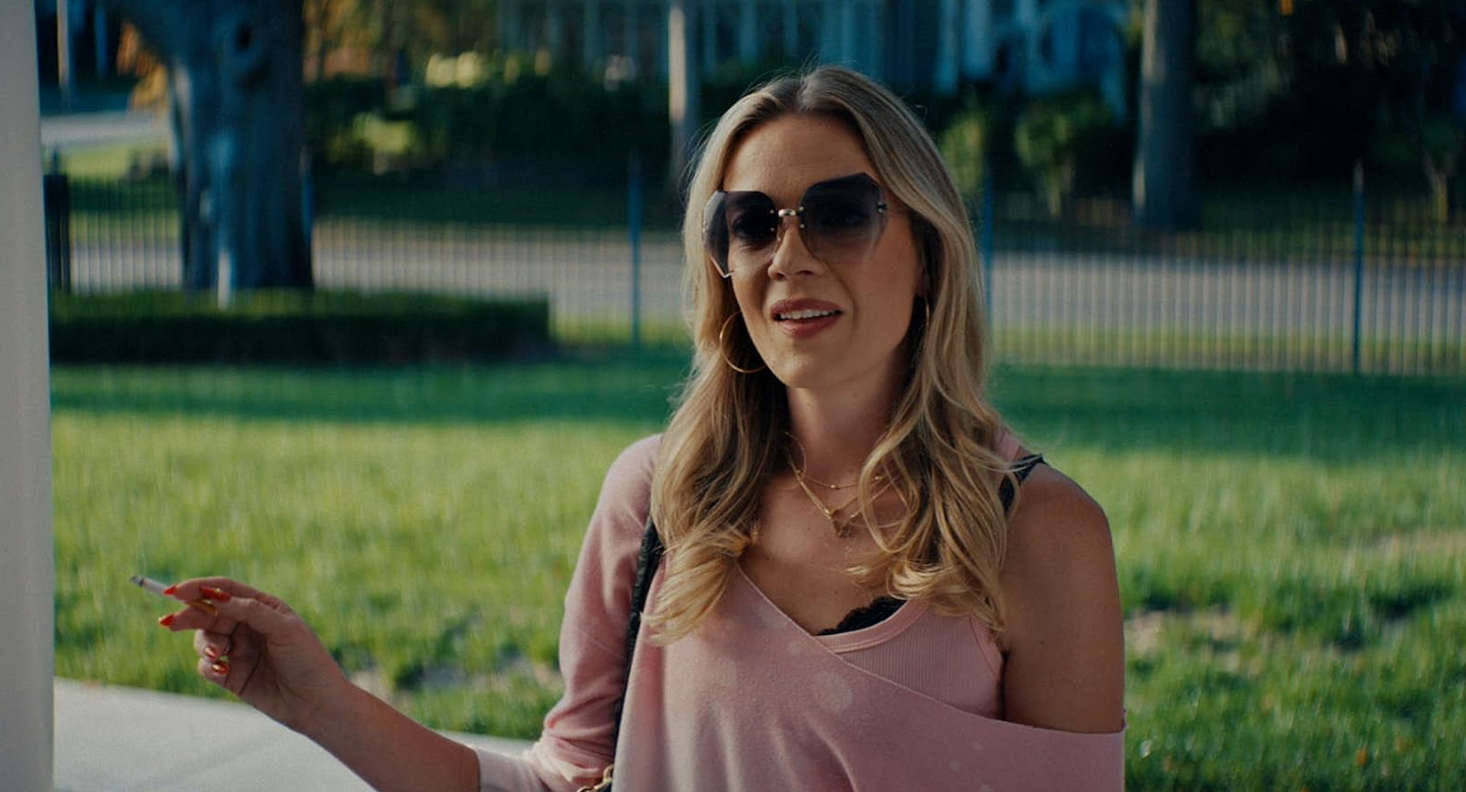
Jane Kettering (DiGiovanni) is reeling. Recently broken up with her long-term boyfriend Tyler (Rodriguez) and struggling to find her footing, she turns to her friends for support. The problem is that many of them appear to have life figured out—married, engaged, raising children—while Jane feels as though she is still at the starting line. Feeling increasingly alienated, she begins shutting herself off from those around her. One night, while doomscrolling through social media and discovering that Tyler has already moved on, she decides she needs to make a change. Searching online for ways to meet new people, she stumbles upon BFFer, a service that promises to deliver a best friend right to your door. Curious and desperate, Jane gives it a try, and before long Zoe (Parola) is standing on her doorstep.
A dream friend, Zoe listens attentively, offers encouragement, helps brainstorm new life goals, and serves as the ultimate "yes woman." Yet even that is not enough for Jane. Unable to stop obsessing over Tyler and his new life, she follows Zoe's advice and hires a team of social media consultants to reinvent her image online. Leading the charge is London (Weisman), a Gen Z powerhouse determined to create the perfect version of Jane for the digital world. Joined by photographer Nico (Sorrels) and SEO expert Leonard (Jovanovic), the team begins transforming Jane into "Jane 2.0." However, as the costs mount and the pressure to maintain this new identity intensifies, Jane is forced to confront what she is really searching for—and whether any of it will actually make her happy.
In a world where social media constantly surrounds us, it has never been easier to feel connected while simultaneously feeling completely alone. The carefully curated lives we see online can often leave us wanting more, creating a cycle of comparison and dissatisfaction. It is this obsession that Matt Eames captures so effectively in a satirical story that feels uncomfortably plausible. The film's discomfort comes not from its increasingly absurd situations, but from how familiar many of them may feel to audiences who have found themselves trapped in similar cycles of scrolling, comparing, and questioning their own lives.
In the role of Jane, Jessica DiGiovanni delivers a strong and relatable performance. She embraces the absurdity of the world around her, yet never allows the character to become a caricature. Even as the film pushes into heightened situations, DiGiovanni keeps Jane grounded, capturing the anxiety and desperation of a woman trying to reinvent herself while quietly falling apart. As her new besties, Sophia Lucia Parola's Zoe provides a wonderfully ethereal presence that perfectly contrasts with Jocelyn Weisman's hilariously deadpan London. Eames balances the energy of this trio with confidence, creating moments that are equally capable of generating laughter and secondhand discomfort.
As Jane's world continues to spiral, production designer Grayson Goga transforms her ordinary apartment into a kaleidoscopic influencer dreamscape. Combined with the energetic score by Rubber Band Gun, the result is a world that feels increasingly detached from reality, mirroring Jane's own growing disconnect from herself. The visual design reinforces the film's themes without overwhelming them, helping create an atmosphere that is both alluring and unsettling. All in all, this film is a reminder that no amount of followers, likes, or carefully curated content can replace genuine human connection.
Click HERE for an exclusive conversation with writer/director Matt Eames and star Jessica DiGiovanni.
Review by Cinephile Mike
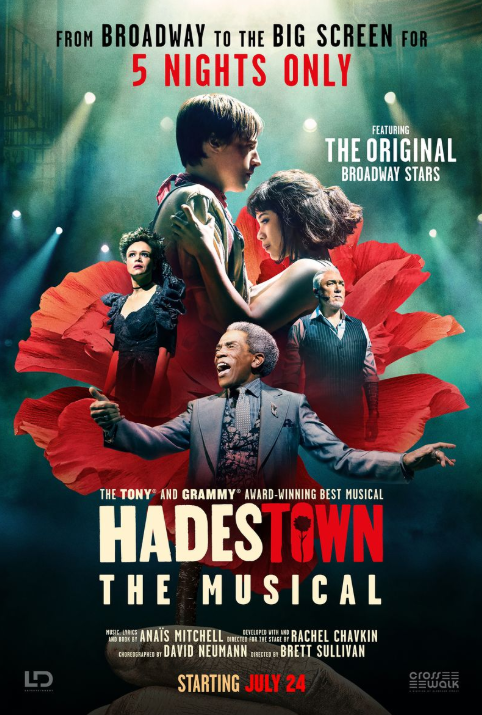
Hadestown: The Musical
⭐️⭐️⭐️⭐️
Feature Film (Narrative)
Film Production Companies: Bleecker Street, Cross Walk
and LD Entertainment
Rating: NR / Run Time: 141 minutes
Language: English
Director: Brett Sullivan (Broadway staging by Rachel Chavkin)
Writer: Anaïs Mitchell
Starring: Reeve Carney, André De Shields, Amber Gray, Eva Noblezada,
Patrick Page, Bella Brown, Madeline Charlemagne, Allie Daniel, Lauren Azania,
Tiago Dhondt Bamberger, Ryesha Higgs, Waylon Jacobs and Christopher Short
“We raise our cups and drink them up. We raise ‘em high and drink ‘em dry…to Orpheus and all of us.”
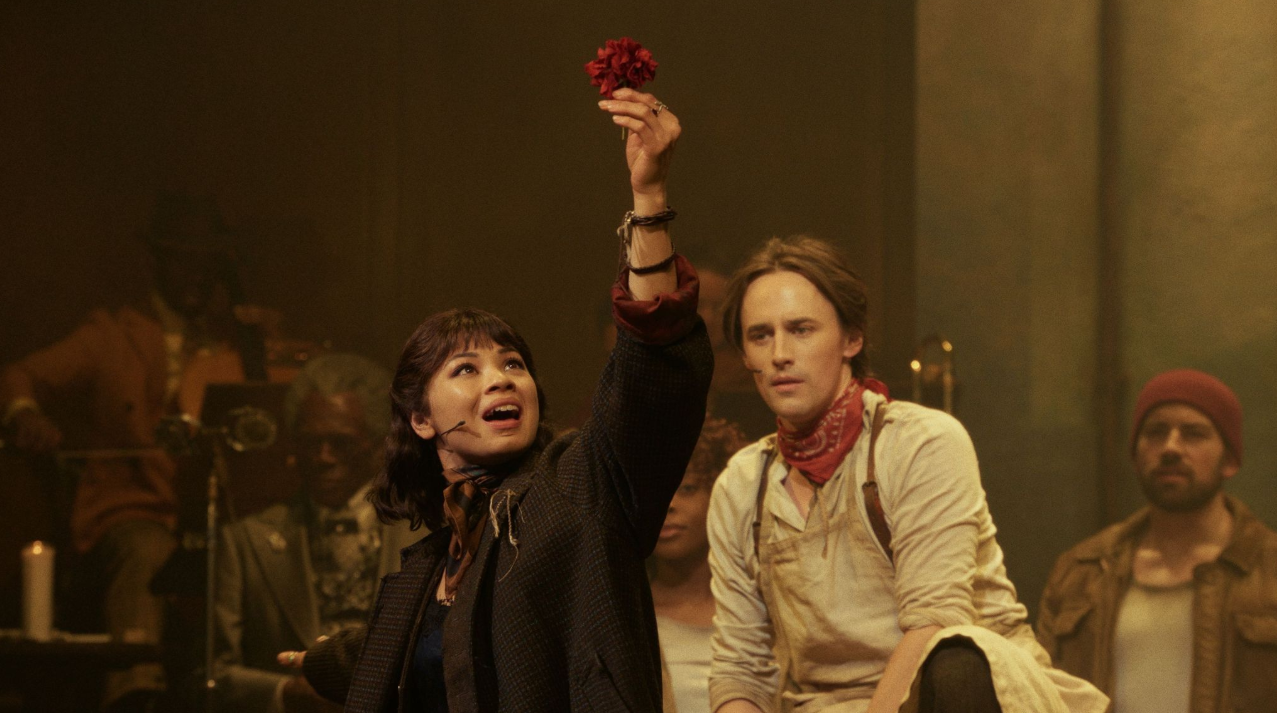
In a current climate where the cost of live theatre tickets may be difficult for many, audiences are sometimes gifted with “pro shots” that allow stage productions to be shared with a wider audience. Oftentimes these can be hit or miss, but director Brett Sullivan brings the acclaimed Broadway production of Hadestown to the screen, reuniting the five original Broadway principal cast members during their West End engagement at London’s Lyric Theatre. Anaïs Mitchell’s Tony Award-winning musical offers a unique retelling of the Greek myth of Orpheus and Eurydice, blending mythology, folk music and Americana into a singular theatrical experience.
Set in an alternate, post-apocalyptic, winter Depression-era America, the story begins with Hermes (De Shields) introducing our star-crossed lovers in a small bar. Orpheus (Carney), a dreamer and musician, is determined to write a song that will bring the spring back to the world. While working, he meets Eurydice (Noblezada), a young woman who is hungry, cold and struggling to survive. There is an instant connection between the two, but Eurydice remains hesitant about placing her faith in dreams when reality offers so little certainty.
In an attempt to win her over, Orpheus shares the story of Hades and Persephone. Through that tale, Eurydice learns of Hadestown, Hades’ underground factory that promises security and protection from the hardships of the surface world. Tempted by the prospect of stability, she eventually signs a contract and descends into Hadestown. Encouraged by the ever-present Fates (Brown, Charlemagne and Daniel), she believes she is making the right decision. When Orpheus discovers what has happened, he resolves to journey into the underworld himself, determined to bring Eurydice home regardless of the cost.
The Tony Award-winning musical is brought to life with remarkable vibrancy under Sullivan’s direction. This is not to diminish Rachel Chavkin’s acclaimed stage production, but one of the challenges of live theatre is that your experience is often dictated by your seat in the house. While you can hear everything, you cannot always see every expression or subtle detail. Through a series of close-ups, Sullivan brings viewers directly into the world of the production, and at times the staging is captured with such cinematic flair that you almost forget you are watching a stage show. Editors David Tregoning and Marko Keser keep the action moving smoothly while also allowing us to experience the reactions of the audience, which only enhances the energy of the performance.
The performers are all fully committed, and you can feel the affection they have for these roles. However, it is Patrick Page’s Hades and Amber Gray’s Persephone who steal the show. Their vocals, chemistry and emotional complexity create a relationship that often feels more compelling than that of the younger lovers at the center of the narrative. This is not meant to diminish the work of Carney and Noblezada, who are both excellent, but the fractured marriage between Hades and Persephone carries a weight that lingers long after the curtain falls. I remember seeing the stage production and not being entirely won over by the story itself, but the way this film captures the energy, intimacy and scale of the production gave me a renewed appreciation for the material, even if I still found parts of the narrative somewhat unbalanced. Ultimately, it is the strength of the performances that elevates the piece and reminds us why Hadestown has resonated with audiences around the world. All in all, this pro-shot captures the magic of the production and serves as a reminder of how powerful filmed theatre can be, even for those who may not have fully connected with the show the first time around.
Review by Cinephile Mike
Hollywood Does Abortion
⭐️⭐️⭐️⭐️⭐️
Feature Film (Documentary)
Film Production Companies: The Film Sales Company
Rating: NR / Run Time: 96 minutes
Language: English
Director: Barbara Attie, Janet Goldwater and Mike Attie
Writer: Jamie Boyle
Featuring: Rachel Bloom, Adrienne Barbeau, Steph Herold,
Janine Sherman Barrois, Eleanor Bergstein, Zoanne Clack, Gillian Robespierre,
Rachel Lee Goldenberg, Renee Bracey Sherman, Tanya Saracho, David Schulner,
Dana Stevens, Merritt Tierce, Julie Wong and Kim Mutcherson
“We’re not free at all.”
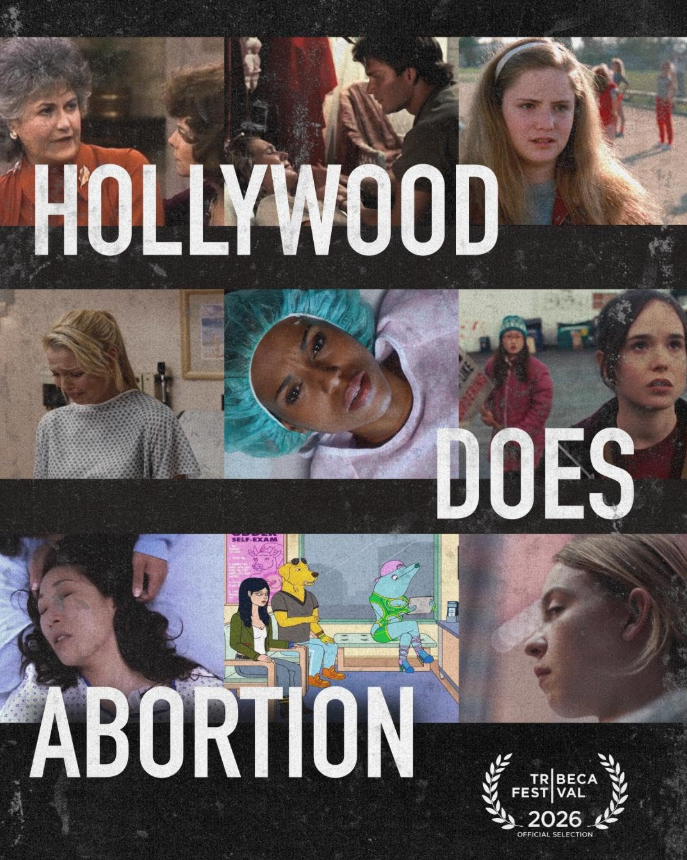
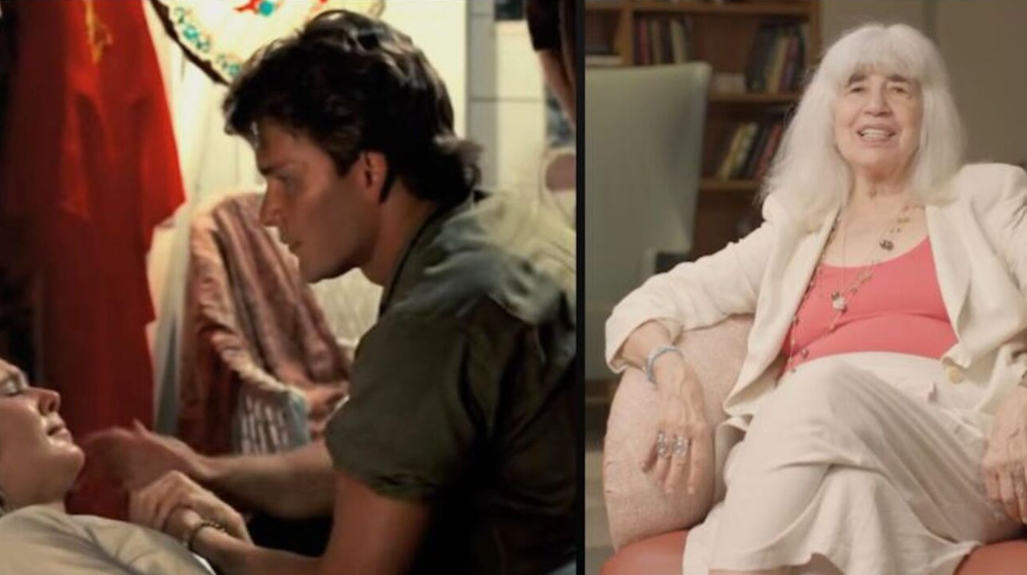
On November 14, 1972, at 8:00 p.m., television history was made when Bea Arthur's character Maude, in the episode "Maude's Dilemma," became the first character in a primetime television series to discuss and choose to have an abortion. The episode was controversial, airing just nine weeks before the landmark Roe v. Wade decision in January 1973. In the more than five decades since, abortion and the circumstances surrounding it have appeared in countless television shows and films. One of the most notable examples was the 1987 film Dirty Dancing, whose producers reportedly pushed to remove the storyline involving abortion, only for screenwriter Eleanor Bergstein to insist it remain.
From comedies such as The Facts of Life, Knocked Up, Juno, and Crazy Ex-Girlfriend to dramas including The Godfather Part II, If These Walls Could Talk, St. Elsewhere, and Party of Five, abortion has long been part of the entertainment landscape. The documentary Hollywood Does Abortion asks whether those portrayals have been accurate and honest reflections of real-life experiences. According to the film and its interviewees, they often have not.
Through an extensive montage of clips from television and film, the documentary presents examples that it argues range from thoughtful portrayals to misleading ones. One interviewee states that abortion is frequently linked in popular media to spiraling mental health issues and emotional devastation in ways that do not reflect available research. The filmmakers suggest that these dramatized narratives can shape public perceptions in ways that may not align with the experiences of many people who undergo abortions. To explore this question, Attie, Goldwater, and Attie assemble a wide range of voices, including showrunners, filmmakers, critics, law professors, and activists. The film also examines the distribution of anti-abortion propaganda films during the Reagan era and argues that these efforts influenced how abortion was depicted across various forms of media.
Without revealing all of the documentary's findings, the film presents statistics comparing media portrayals of abortion with real-world data related to complication rates, mortality rates, and decision-making outcomes. It also analyzes recurring storytelling tropes—such as characters deciding to continue pregnancies, experiencing miscarriages, or discovering they were never pregnant—that, according to the documentary, can sidestep more direct engagement with abortion itself.
Writer and editor Jamie Boyle skillfully weaves together decades of film and television footage with contemporary interviews, creating a documentary that is both informative and engaging. Rather than simply cataloging examples, the film invites viewers to consider how entertainment media shapes cultural understanding of a complex and often contentious issue. All in all, this powerful documentary serves as a thought-provoking examination of how Hollywood has framed abortion over the last fifty years and why those portrayals continue to matter today.
Click HERE for an exclusive conversation with directors Barbara Attie, Janet Goldwater and Mike Attie.
Review by Cinephile Mike
Human Theories
⭐️⭐️⭐️
Feature Film (Narrative)
Film Production Companies: Alina Pictures and YK Films
Rating: NR / Run Time: 70 minutes
Language: English
Writer: Jess Zeidman
Director: Jess Zeidman
Featuring: Diego Abraham, Matthew Albani, Joanna Arnow,
Kelsea Bauman-Murphy, Michelle Chan Bennett, Josephine Chiang,
Violet Winter Cilen, Kelly Cooper and Joey Dardano
“I think it means I have too much stuff going on.”
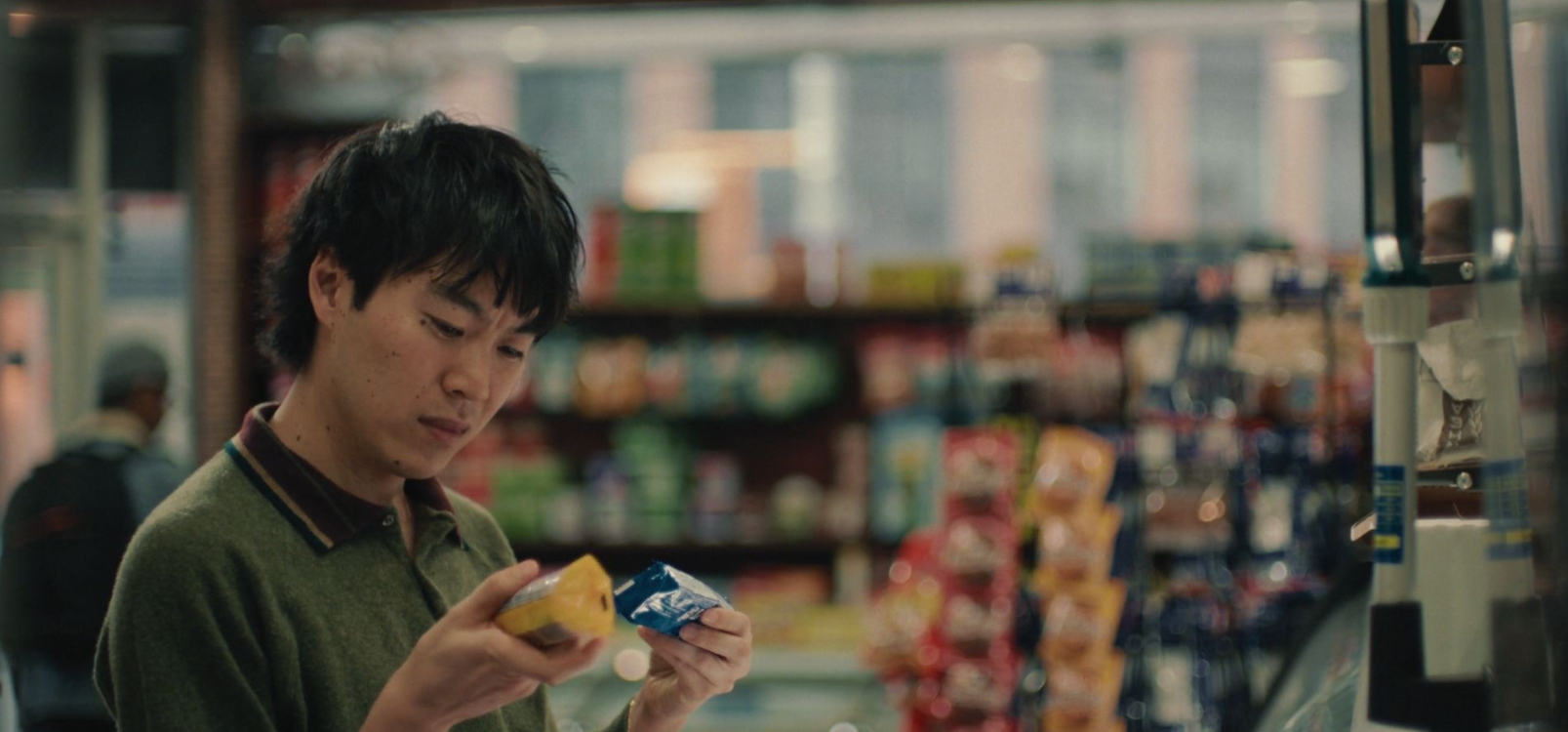
New York City is alive and thriving in Jess Zeidman's love letter to the city that never sleeps. Through more than forty interconnected vignettes unfolding over the course of a year, we are invited to observe countless individuals as they navigate the everyday moments that make up modern life. There are no heroes, villains, or world-changing events. Instead, Zeidman focuses on the seemingly insignificant interactions that often define our days: awkward first dates, uncomfortable conversations after a one-night stand, chance encounters with acquaintances whose names we can no longer remember, ordering food from a neighborhood bodega, or simply walking the city streets at night and taking in the sights around us.
What emerges is less a traditional narrative and more a montage of contemporary urban life. Some moments are funny, others cringe-inducing, and many are surprisingly familiar. Watching the film often feels like participating in a game of New York City bingo, checking off experiences that anyone who has lived in or spent significant time in the city has likely encountered. Whether it is spotting someone texting while seated beside you on the train, running into co-workers outside of work, or finding yourself surrounded by happy couples immediately after a failed date, there is a relatability woven throughout the film that encourages viewers to see a little of themselves in what unfolds on screen.
One of the film's greatest strengths is its authenticity. Most of the characters remain unnamed, existing less as fully developed protagonists and more as representatives of shared experiences. While this approach occasionally creates emotional distance, it also allows the stories to feel universal. These are not larger-than-life cinematic creations; they are people we pass every day on sidewalks, in restaurants, on trains, and in stores. Zeidman captures the awkwardness, loneliness, humor, and desire for connection that often exist beneath even the briefest interactions.
Visually, the film succeeds in making New York itself feel like a character. Leo Gallagher's cinematography captures both the energy and intimacy of the city, from crowded public spaces to quieter moments of reflection. Complementing these images is Joshua Steinberg's work as music supervisor, whose selections help bridge the rapid shifts between stories and maintain a consistent rhythm despite the constantly changing perspectives.
Where the film may prove divisive is in its structure. Just as certain stories begin to gain momentum or emotional resonance, the film frequently moves on to another vignette. While this constant motion mirrors the pace of city life, it can occasionally make it difficult to fully invest in any single storyline. There were several moments where I found myself wanting to spend more time with a particular character or situation before being whisked away to the next encounter. Whether this is a flaw or simply part of the film's design will likely depend on the viewer.
Still, there is something undeniably compelling about the picture Zeidman paints. Rather than offering easy answers or neatly resolved narratives, Human Theories asks us to observe the people around us and recognize the shared experiences hidden within everyday interactions. All in all, this love letter to New York City reminds us that even the briefest moments of connection can reveal something meaningful about who we are.
Click HERE for an exclusive conversation with writer/director Jess Zeidman.
Review by Cinephile Mike
Kids Like Me
⭐️⭐️⭐️⭐️⭐️
Feature Film (Documentary)
Film Production Company: LinLay Productions, Merino Films and Electrick Labs
Rating: NR / Run Time: 88 minutes
Language: English
Directors: Jon Cohrs and Cynthia Lowen
Featuring: OIiver Odwazny-Beebe, Casey Beebe, Chad Odwazny,
Willa Odwazny-Beebe, Amy Poux and Tony Shalhoub
“When you lead with your heart, justice will follow.”
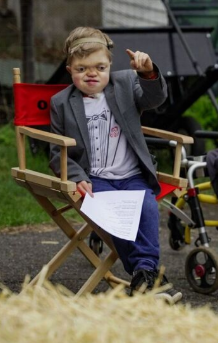
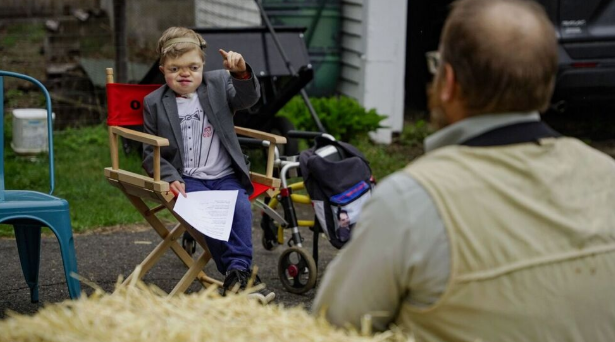
Oliver Odwazny-Beebe, a rambunctious 12-year-old with disabilities, is one of the most creative children you will ever meet. When he was around five or six, he became obsessed with Highlights Magazine's Top Secret Adventures. In the intervening years, he has consumed countless murder mysteries. As the camera in Kids Like Me pans across his shelves, you see classic mysteries alongside novelizations from popular series like Murder, She Wrote, Psych, and perhaps most influentially, Monk. This is Oliver’s pride and joy. He even has a Monk backpack made by his uncle hanging from the back of his walker. He has one goal in mind: to write and make his own murder mystery starring himself as Detective Oliver.
Despite Oliver’s grand ambitions—and he has a whole team of support behind him—this documentary looks at far more than a young man trying to achieve his dream. It also examines the life of the family supporting him and reminds us that everything is not always bright and positive. Oliver’s parents, Chad and Casey, try to give him the best life they can while navigating the limitations and challenges that come with his disabilities. Adding to this dynamic is Oliver’s younger sister, Willa, who does not share the same disabilities. Her ability to move through life with greater independence can occasionally become a source of frustration, creating the kind of sibling tension that exists in many families, even if the circumstances are different.
This is the portrait that filmmakers Cynthia Lowen and Jon Cohrs set out to create. Rather than presenting Oliver as simply an inspirational figure, they allow audiences to see the full reality of his life. The cameras remain present during moments of triumph, frustration, sibling conflict, and family celebration, creating a portrait that feels honest rather than manufactured. Oliver sometimes struggles with why certain things are more difficult for him than for others, and there are moments when his frustrations get the better of him. Yet even in those moments, his determination and creativity continue to shine through. It is here that we see the authentic dynamic of a family doing its best to navigate life together.
However, this honesty does not diminish the joy that comes from Oliver’s greatest passion. Working alongside drama coach Amy Poux, he begins developing his original murder mystery, The Game is Murder. Thanks in part to the support surrounding him, we not only watch Oliver create the project, but also see the film-within-the-film come to life. Along the way, there are a few surprises that make the journey even more rewarding.
The filmmakers keep their distance, allowing events to unfold naturally as we follow the Odwazny-Beebe family through holidays, celebrations, camping trips, and everyday life. No topic is off limits, and we are given unrestricted access to the family's experiences over the course of a year. At the heart of it all is a family that deeply loves and supports one another, and we also see an entire community rally behind Oliver and his ambitions. If there is one complaint to be made, it is that there is so much love poured into The Game is Murder that you wish you could watch the entire thing. Through the excerpts we are shown, it becomes clear that Oliver possesses an infectious imagination and a natural storytelling instinct. There are moments when you almost forget you are watching a 12-year-old. His precocious energy is both disarming and charming. When he acts out, you feel for him, and when those around him—especially Willa—challenge him, they do so from a place of honesty and love. Watching him process those moments becomes just as compelling as watching him pursue his dream. All in all, this heartwarming documentary will be a gentle reminder that if you believe in yourself and let your imagination soar, nothing can stop you—no matter what.
Review by Cinephile Mike
Kingston
⭐️⭐️⭐️
Feature Film (Narrative)
Rating: NR / Run Time: 96 minutes
Language: English
Directors: Carlos Key and Kalijah Rowe
Writers: Carlos Key, Claire Levesque, Kalijah Rowe and Jenna Shen
Starring: Rose Badiru, Michael C. Liu, Leann Gardner, Nick Snipes
and Carlos Key
“I applied to Kingston to feel special.”
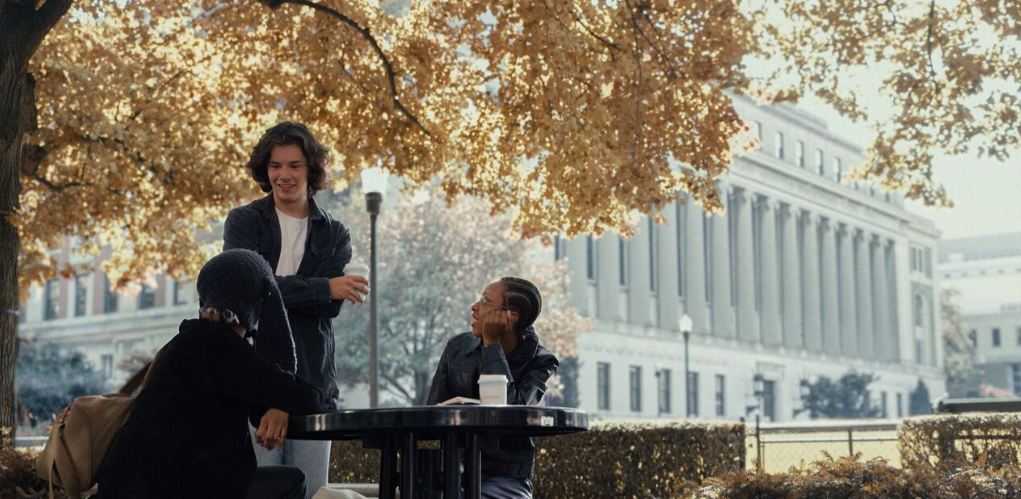
In the prestigious Kingston College, a fictional school set in the heart of New York City, students from all over the world aspire to study within its halls. Most pursue degrees in computer science, economics, or a combination of the two. However, there are always a few exceptions—those who arrive not because of a specific program, but because they believe in Kingston's reputation and all that it represents. As a new academic year begins, we are introduced to a diverse group of students and faculty navigating life on campus.
Among them is Atlas (Badiru), a first-generation college freshman studying philosophy who is navigating campus life as a Black student whose voice often seems to make others uncomfortable. There is also Cyrus (Key), a legacy student whose family's wealth and influence largely insulate him from academic consequences, even as he struggles through courses like Chinese I. Amber (Gardner), an upperclassman Resident Assistant studying biology, is trying to decide whether to commit to a relationship with Marco (Snipes), an insecure business major who is easily influenced by his friends. Both want something more, yet neither seems willing to communicate honestly about what they are looking for.
On the faculty side, we meet Professor Liu (Liu), a Chinese instructor frustrated by students who treat language courses as little more than a graduation requirement rather than an opportunity to embrace a new culture. We also meet an unnamed History of European Thought professor (Emily Kleypas), who acknowledges that students may not be excited to study "a bunch of old dead white men," but argues that understanding those perspectives is essential to understanding the world they inhabit today.
Ultimately, the film branches into several interconnected storylines. Atlas struggles to acclimate to college life, attending classes and student groups while trying to prove she deserves her place at Kingston. When she finally begins speaking up, she often finds her perspectives met with resistance rather than validation from classmates and, at times, professors. Meanwhile, Amber and Marco navigate a casual relationship that may or may not be headed toward something more serious, while receiving plenty of questionable advice from friends who seem no more equipped to handle relationships than they are. Finally, Professor Liu finds himself assigned Cyrus as a research student in an effort to help him pass Chinese I after failing it twice. The stakes are high, as Cyrus' graduation—and his family's generous donations to the college—hang in the balance.
As we follow these different threads, we are treated to a portrait of the modern college experience, one lived largely through screens and shaped by students attempting to prove they are more than the privilege, insecurities, or online personas they hide behind. The film suggests that many young people are so focused on defining who they are and what they should become that they rarely allow themselves the freedom to simply be students. Whether through academic pressure, social expectations, relationships, or questions of identity, everyone seems to be racing toward adulthood without fully appreciating the opportunity to learn from the present moment.
There is a wonderful ambition at work here, and some genuinely funny moments emerge as these Gen Z students attempt to project an image of themselves that does not always match reality. However, the film also falls into familiar stereotypes at times. While there are some welcome surprises in the third act that allow Badiru's Atlas and Key's Cyrus to shine, much of the material surrounding Amber and Marco proves less engaging. Compared to the sharper observations found in Atlas and Cyrus' storylines, their relationship struggles feel far more familiar and ultimately dilute some of the film's more insightful commentary. The combination of four writers may also contribute to the film's difficulty in finding a consistent tonal balance. It frequently shifts between social satire, coming-of-age drama, and romantic comedy, making it difficult to build sustained momentum.
Still, Key and Rowe demonstrate a distinctive voice and a clear understanding of the generation they are depicting. The performances are uniformly solid, and the filmmakers show a keen eye for the contradictions and anxieties facing today's students. Even when the various storylines do not fully coalesce, the film remains thoughtful and sincere in its observations. All in all, Kingston offers an ambitious look at modern college life and the competing pressures facing today's students, even if its strongest ideas are sometimes diluted by storylines that never prove as compelling.
Review by Cinephile Mike
Mexicanamerican
⭐️⭐️⭐️⭐️
Feature Film (Documentary)
Film Production Company: Evelia Filmworks, Silencio Projects
and Ford Foundation Justfilms
Rating: NR / Run Time: 98 minutes
Language: Spanish with English subtitles and
English with Spanish subtitles
Writer: Eddie Sánchez
Director: Eddie Sánchez
Featuring: Lalo Sánchez, Beby Sánchez, Edgar Sánchez and Eddie Sánchez
“Whenever you make a mistake, it will always be our obligation by virtue of the love we have for you, to tell you.”
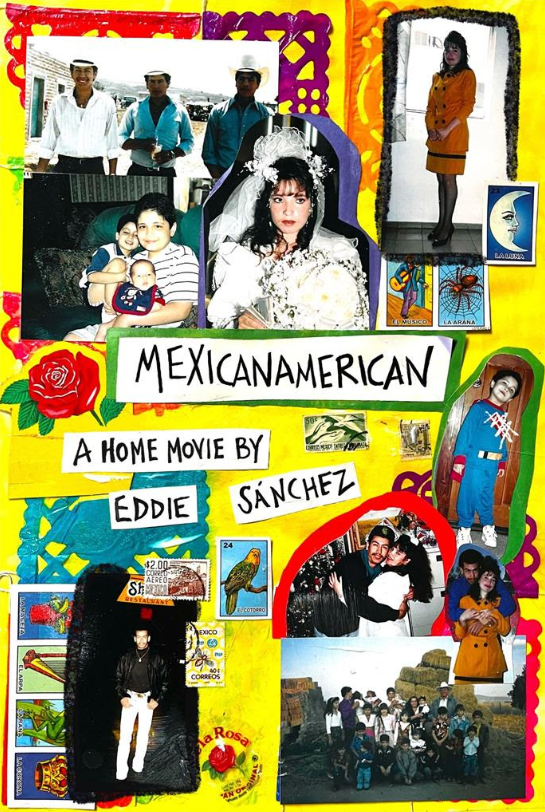
From the opening moments, writer/director Eddie Sánchez makes it clear that Mexicanamerican is not simply his story. Rather, it is the story of his parents, Lalo and Beby, and the sacrifices they made to build a home and family between two cultures.
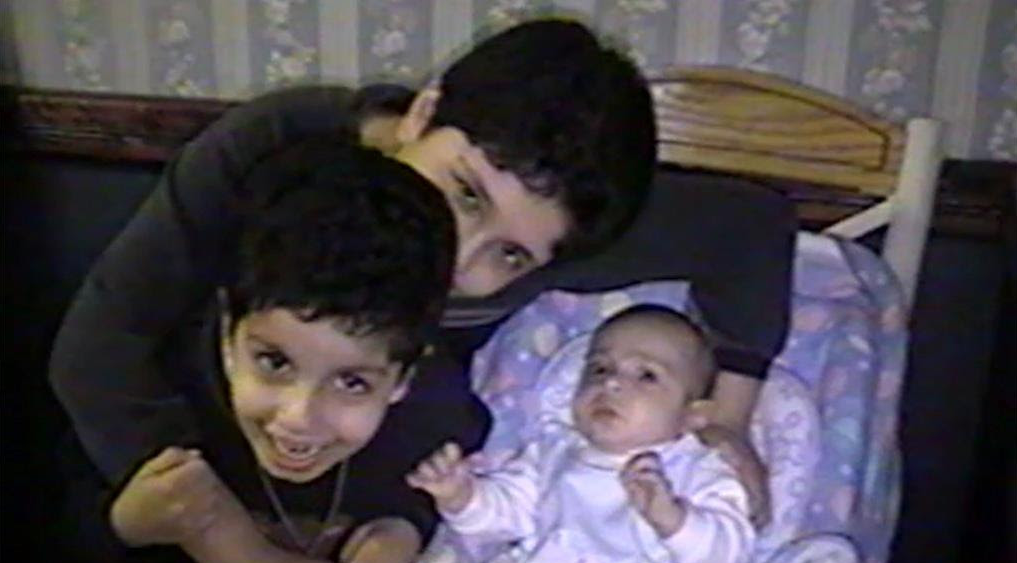
The film begins with home video footage and reflections from Lalo and Beby as they recount their courtship in Palos Altos, Jalisco, Mexico. Beby, who was crowned her hometown's beauty queen in 1985, first noticed Lalo during the festivities surrounding the pageant. The two would eventually reconnect after periods of separation, marry in 1993, and ultimately make the difficult journey to the United States in pursuit of greater opportunity. What began as a temporary plan to earn money and return home gradually became something much larger as they established roots and raised three sons.
What makes Mexicanamerican particularly compelling is its willingness to examine not only the sacrifices made by immigrant parents, but also the complexities faced by the children raised between cultures. Through conversations between the Sánchez family members, we learn about Eddie's struggles to reconcile his Mexican heritage with the American world in which he was growing up. His parents describe a son who appeared distant from his family traditions at times, yet thrived socially and academically outside the home. The disconnect becomes one of the film's most fascinating threads as the family attempts to understand how identity is shaped across generations.
The documentary is built from more than fifty hours of home video footage captured over decades, and this material proves invaluable. Whether documenting family gatherings, childhood milestones, vacations, or everyday moments, the footage creates an intimacy that cannot be recreated through interviews alone. Rather than feeling like a traditional documentary, the film often plays like a family scrapbook brought to life. Accompanied by the subtle and effective score from Nudo, the result is both personal and reflective.
As the film progresses, the focus broadens to include Eddie's brothers and their own experiences within the family. These moments add valuable perspective, particularly when discussing issues of faith, cultural expectations, and belonging. However, this is also where the documentary feels slightly uneven. While Edgar's voice becomes somewhat present, another member of the family remains largely absent from the conversation despite his involvement behind the camera. The omission leaves parts of the family portrait feeling somewhat incomplete and raises questions the film never fully explores.
Still, the strength of Mexicanamerican lies in its honesty. Sánchez does not attempt to present his family as perfect, nor does he seek simple answers. Instead, he invites us into an ongoing conversation about heritage, sacrifice, identity, and the complicated ways parents and children try to understand one another. All in all, this heartfelt family portrait reminds us that building a home is only part of the immigrant journey; understanding what that journey means to the next generation can be just as challenging.
Click HERE for an exclusive conversation with writer/director Eddie Sánchez.
Review by Cinephile Mike
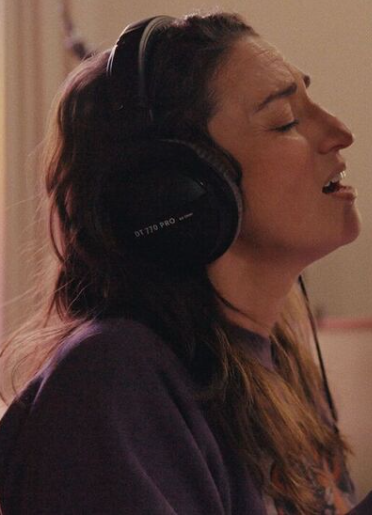
Sara Bareilles: Good Grief
⭐️⭐️⭐️⭐️⭐️
Feature Film (Documentary)
Film Production Companies: Naked Edge Films, The deNovo Initiative
and Group Effort Films
Rating: NR / Run Time: 91 minutes
Language: English
Director: Josh Alexander
Writer: Josh Alexander
Featuring: Sara Bareilles, Butterfly Boucher, Misty Boyce, Solomon Dorsey,
Charley Drayton, Jonathan Low and Rob Moose
“My prayer for this music is that it offers comfort.”
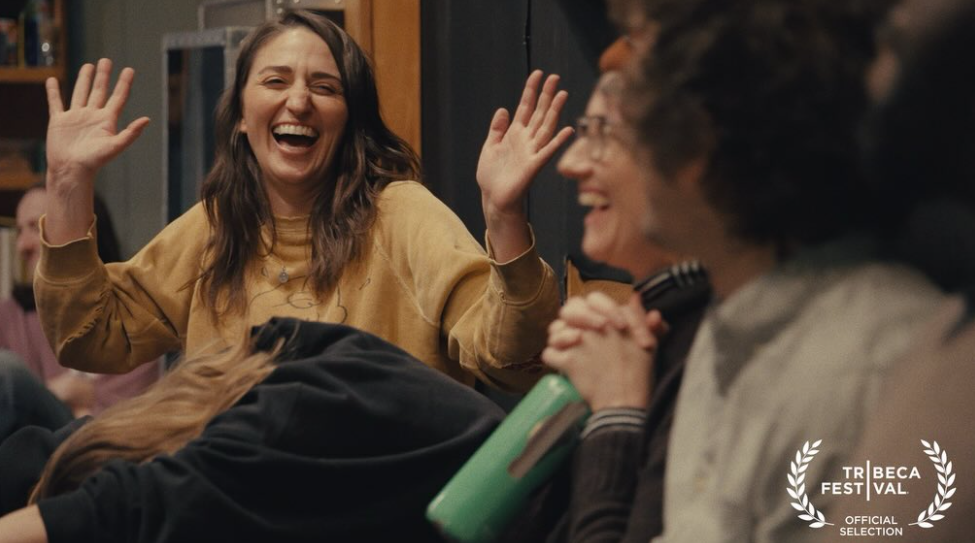
The number one rule of writing, they say, is to write what you know. Leaning into that idea is exactly what Sara Bareilles has done, inviting audiences into an unfiltered and wide-open window into her creative process. Having not released an album since 2019, Bareilles has experienced a whirlwind six years and has finally returned to crafting new music. The self-described control freak has chosen to eschew the traditional producer role, instead inviting a group of artists she knows, respects, and trusts to spend six days at Dreamland Studios in Hurley, New York, bringing these songs to life.
That group includes guitarist Butterfly Boucher, keyboardist Misty Boyce, bassist Solomon Dorsey, drummer Charley Drayton, multi-instrumentalist Rob Moose, and engineer Jonathan Low. Together, they help shape what may be some of the most personal music Bareilles has ever created. The setting itself feels almost prophetic. Dreamland Studios, an acoustic paradise nestled in the woods outside Woodstock, is housed inside a former church. As Bareilles records while the musicians play around her, and as they later sit together listening back to the tracks, the film creates the feeling that viewers have been invited into a truly sacred space—one they almost wonder if they should be witnessing at all.
As the sessions unfold, we hear new songs including “Just a Kid,” “Home,” “Ladies in a Line,” “Love Story,” “Hands Off My Body,” and “Capsize Me.” Each is tied to deeply personal experiences, whether reflecting on the loss of close friends or the challenges she and her partner, Joe Tippett, have faced while trying to have a child. Bareilles leaves little unsaid, and you can hear that vulnerability in every piano note and guitar strum. At the same time, she remains remarkably collaborative, welcoming suggestions and working with her fellow musicians to shape each song into the best version of itself. The result is a portrait of an artist who is both fiercely protective of her craft and deeply trusting of those she has invited into the room.
What makes Good Grief so compelling, however, is not simply the music. It is the conversations. Director Josh Alexander and cinematographer Jenna Rosher create an atmosphere so intimate that it often feels as though the camera has disappeared entirely. The musicians speak candidly about grief, relationships, mental health, loss, creativity, and the uncertainty of moving forward. There is a pivotal conversation late in the week about relationships, the effort they require, and whether that effort is always worth it. Many viewers will likely find themselves sitting up and taking notice, recognizing pieces of their own lives within the discussion. These moments create the feeling that you are witnessing conversations never intended for public consumption, yet their honesty makes them impossible to look away from.
When Tippett arrives near the end of the documentary, his presence adds another layer to the story. Watching Bareilles' mixture of excitement, affection, and nervousness only deepens the audience's understanding of her. More than a behind-the-scenes look at the making of an album, Good Grief becomes an exploration of how loss, uncertainty, love, and personal struggles have shaped Bareilles and influenced the artist she is today.
This film is a reminder of what a remarkable musician Sara Bareilles is, while also serving as an introduction for those who may be unfamiliar with her work. The forthcoming album is already highly anticipated, and this documentary suggests that the years between releases have been more than worthwhile. More importantly, it captures an artist at her most vulnerable and authentic, inviting audiences not only to hear her music, but to understand the experiences that inspired it. All in all, this beautiful and deeply personal documentary offers comfort, honesty, and hope, while showcasing the resilience that has defined Bareilles' journey.
Review by Cinephile Mike
She Keeps Me Young
⭐️⭐️⭐️⭐️
Feature Film (Narrative)
Production Companies: Visit Films, Tinygiant, International Pigeon
Productions, Velodrome and Streeterville Productions
Rating: NR / Run Time: 91 minutes
Language: English
Director: Doron Max Hagay
Writers: Blair Beeken, Katy Fullan and Doron Max Hagay
Starring: Blair Beeken, Katy Fullan, Shay Rudolph, John Early, Patti Harrison,
Ayden Mayeri, AJ Troup and Mike Mitchell
“I don’t even recognize you anymore.”
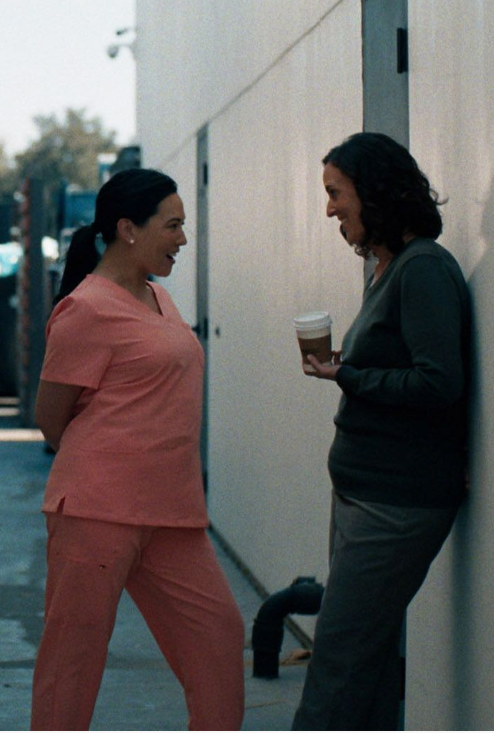
Michelle (Beeken) is at a crossroads. Her fiancé disappeared four years ago, and she has largely been going through the motions ever since—working the sales counter at an eyeglass shop, spending time with her best friend Kelly (Fullan), a dental hygienist balancing a successful business, a husband, and a newborn, and simply trying to figure out her place in the world. One day, she attends a hip-hop dance class with Kelly and meets Bridget (Rudolph), a high school student fascinated by Michelle's confidence on the dance floor. Bridget asks if she can photograph Michelle for a project about strong women, and Michelle eventually agrees.
After the photoshoot, the two begin talking and develop an unlikely friendship. Bridget admires Michelle's strength and maturity, while Michelle helps Bridget film an audition tape for a club performance and finds inspiration to pursue graduate school. Their friendship remains entirely innocent—sharing skillet cookies, attending dance classes, and offering support—but Kelly begins to question whether such a friendship is appropriate. Her concerns gradually spread throughout their friend group, including Maya (Harrison), Daniel (Early), and Alana (Mayeri), all of whom struggle to understand the relationship while expressing their own reservations.
Meanwhile, Kelly, wrestling with insecurities of her own, becomes determined to help Michelle move forward with her life. She even throws a party in hopes of introducing her to the friendly Rocky (Mitchell). However, when Michelle invites Bridget to attend, believing there is no harm in it, the evening quickly spirals into turmoil and threatens to alter the dynamics of the friend group forever.
She Keeps Me Young is a funny and touching portrait of friendship that is not afraid to acknowledge the complications that come with growing older. There is something inherently honest about Michelle and Kelly's relationship. Friends can remain close for years, but major life events often send people down different paths, and maintaining those bonds can become more difficult than either side wants to admit. The film captures those anxieties with warmth and humor, never reducing them to easy answers.
Stars and co-writers Blair Beeken and Katy Fullan share an easy chemistry that translates both to the page and the screen. Their conversations rarely feel scripted; instead, they carry the natural rhythms of a long-standing friendship. Rudolph is equally impressive. What could have been a one-note portrayal of a carefree teenager becomes a nuanced depiction of someone searching for connection in a life where she often feels isolated. When Bridget performs her ballad, the vulnerability behind the lyrics feels genuine and earned.
Director Doron Max Hagay draws consistently authentic performances from his ensemble, ensuring that every character feels recognizable and real. The film's awkward humor lands because the performances remain grounded. Rather than leaning into broad comedy, the cast embraces a deadpan approach that makes even the most uncomfortable moments surprisingly effective.
While the film is formulaic in some respects, it takes several unexpected turns in its third act that leave viewers questioning whether the story will arrive at the neat resolution often associated with this type of narrative. Instead, it suggests that life's challenges rarely wrap themselves up with a perfect bow. Some questions linger, and some relationships remain complicated. By the time the credits roll, you may find yourself wanting to spend a little more time with these characters. All in all, this touching look at friendship and personal growth will have you thinking about what truly makes a friend—and whether age should matter in a platonic relationship at all.
Review by Cinephile Mike
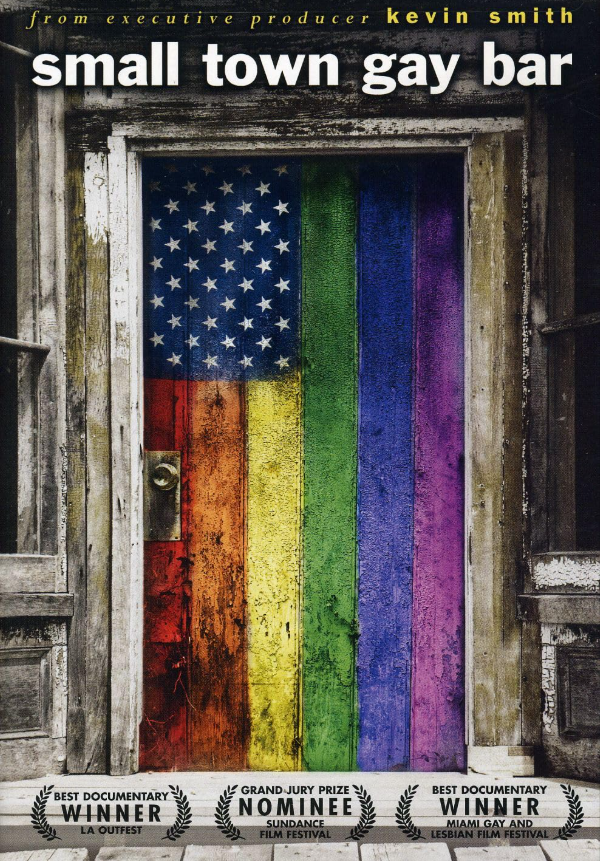
Small Town Gay Bar
⭐️⭐️⭐️⭐️
Feature Film (Documentary)
Film Production Companies: View Askew Productions,
Rating: NR / Run Time: 76 minutes
Language: English
Director: Malcolm Ingram
Writer: Malcolm Ingram
Featuring: Jim Bishop, Terry Capps, Bill Curtis, Rick Gladish, Charles ‘Butch’ Graham, Geoff Kates, Jack McCrory and Fred Phelps
“I can’t kill hate with hate, I can only kill hate with love.”
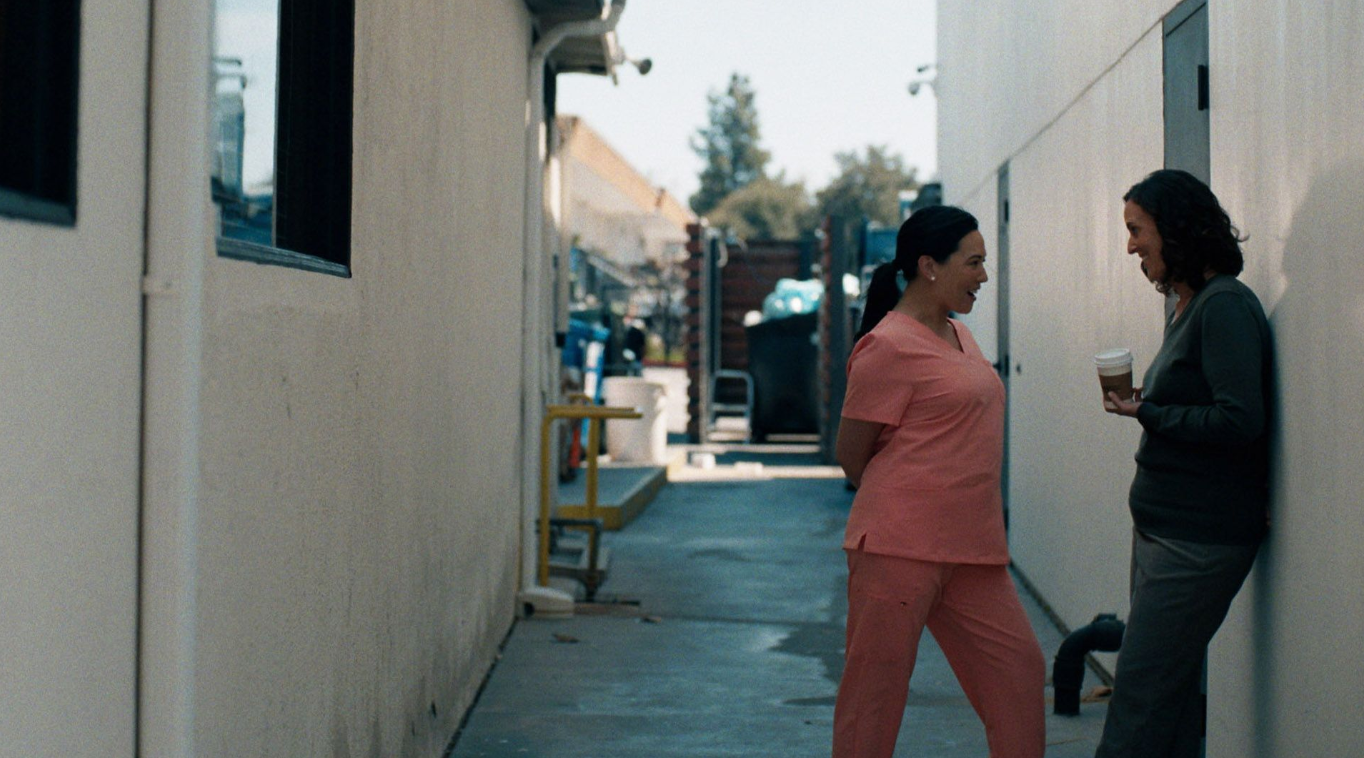
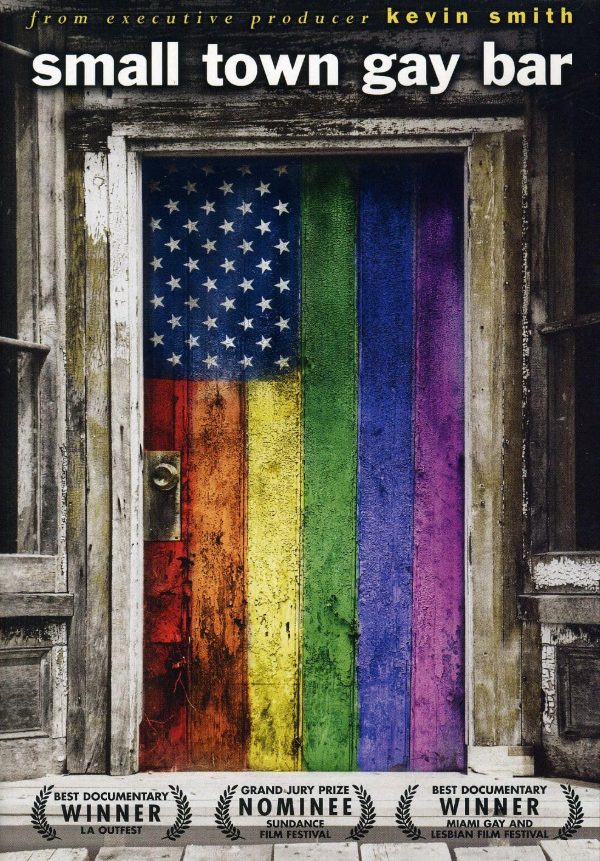
One of the hardest things for a gay person is coming out publicly, and even after doing so, living openly and proudly can still present challenges. While there have been significant advances in LGBTQ+ rights over the years, there have been just as many opposing forces pushing back. Across the country, acceptance and protections for members of the LGBTQ+ community continue to vary. Now celebrating its twentieth anniversary, Small Town Gay Bar recalls a time when members of Mississippi's LGBTQ+ community fought to create spaces where they could simply be themselves. While many of the challenges explored in the film are still being debated today, the documentary remains a reminder that no community, no matter how small, should be silenced.
The documentary offers a brief history of gay bars across rural America but focuses primarily on two establishments that have since closed: Rumors in Shannon, Mississippi, which operated until 2010, and Crossroads in Meridian, Mississippi, which closed in 2003 before reopening as Different Seasons in 2004 and ultimately shutting its doors in 2007. Writer/director Malcolm Ingram provides an unfiltered look at both locations through candid interviews with patrons, Rumors owner Rick Gladish, Crossroads owner Charles "Butch" Graham, and later Different Seasons owners Lori and Ruby.
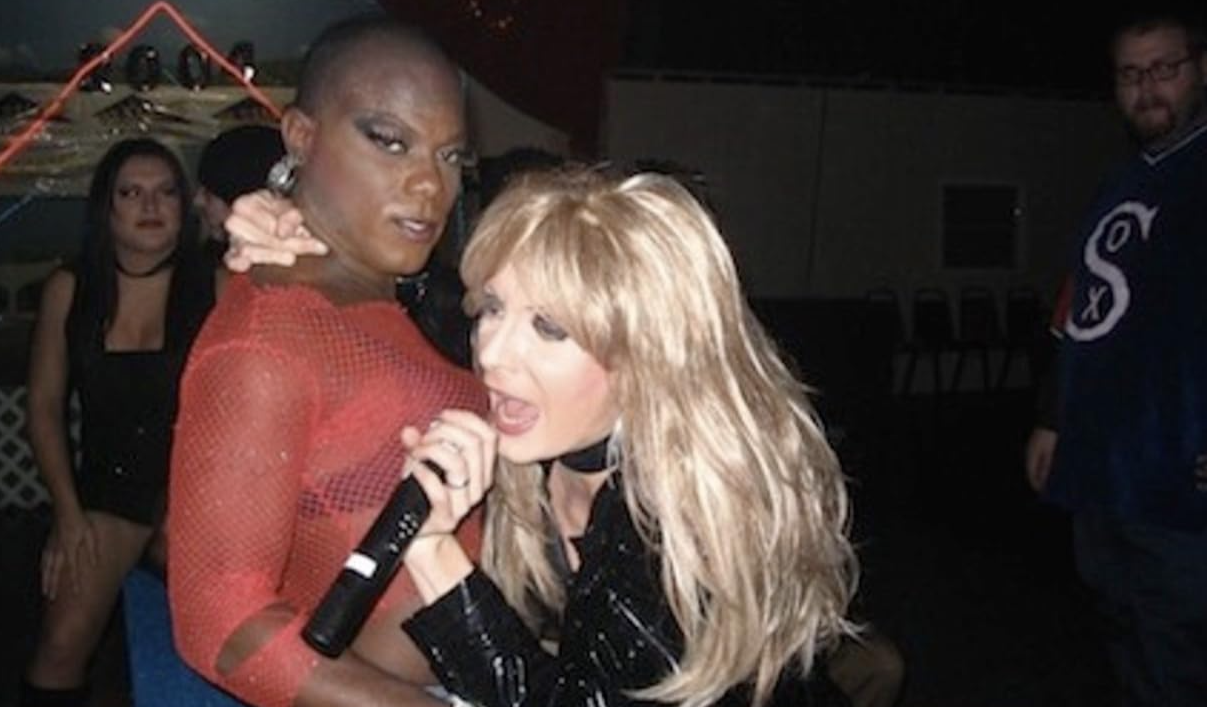
What becomes clear throughout the documentary is that these establishments were about far more than nightlife. For many patrons, Rumors and Crossroads served as sanctuaries where they could gather openly, express themselves freely, and find a sense of belonging that was often difficult to find elsewhere. The drag performances, friendships, and celebrations on display reveal communities creating space for themselves in places where acceptance was far from guaranteed. While neither bar remains open today, the film preserves their legacy and the role they played for countless LGBTQ+ residents throughout Mississippi.
More than just a reflection on these bars, Ingram paints a broader picture of the culture surrounding them. He includes extensive interviews with Fred Phelps of the Westboro Baptist Church, as well as footage of the religious protests that frequently targeted the LGBTQ+ community throughout the South. These moments add context to the fear and hostility many residents faced. The film also examines the murder of Scotty Joe Weaver, incorporating news footage and interviews with members of his family to further illustrate the dangers that existed for many LGBTQ+ people living in the region.
Combining talking-head interviews, archival footage, and sweeping shots of the surrounding landscape, Ingram creates a snapshot of the South at a particular moment in time. There is a rough, home-movie quality to much of the footage, but that simplicity ultimately works in the film's favor. Paired with sharp editing by Scott Mosier, it creates a focused 76-minute portrait of resilience, community, and survival.
Viewed twenty years later, Small Town Gay Bar remains especially valuable because it captures a side of LGBTQ+ life that often receives less attention in mainstream media. While stories centered on larger cities frequently dominate the conversation, Ingram's film focuses on people building community in places where doing so was often far more difficult. All in all, this documentary is still timely in its reflection and reminds us of the progress we have made, but also how far we still have to go.
Click HERE for an EXCLUSIVE interview with director Malcolm Ingram.
Review by Cinephile Mike
32 B
⭐️⭐️⭐️⭐️
Short Film (Narrative)
Film Production Companies: Blueprint Productions, Film-Clinic,
Film Square Productions and Redstar Production and Distribution
Rating: NR / Run Time: 19 minutes
Language: Arabic with English subtitles
Writer: Haitham Dabbour
Director: Mohamed Taher
Starring: Mohamed Mamdouh, Hana Shiha, Ahmed Dash, Jessica Hossam El Din and Gehad Hossam El Din
“There are some issues that we can’t discuss. It’s better to happen quietly.”
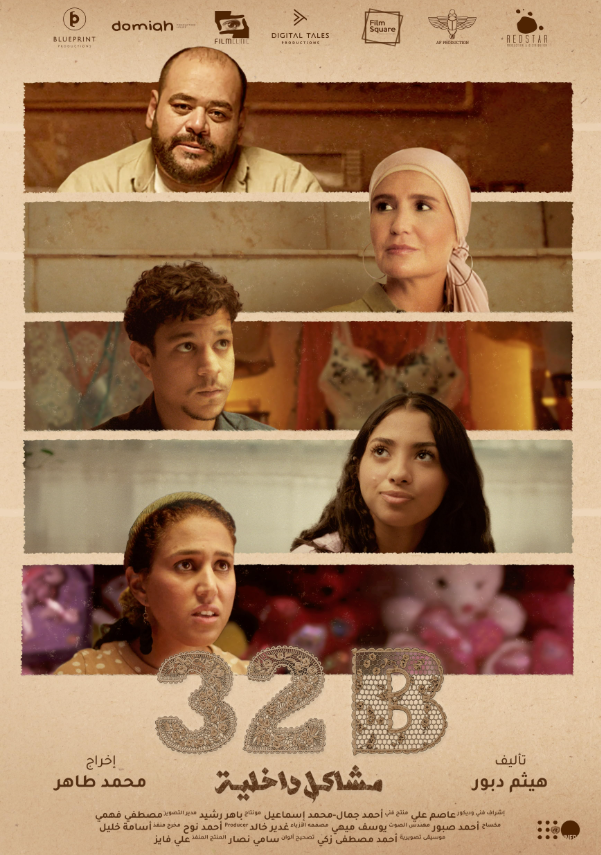
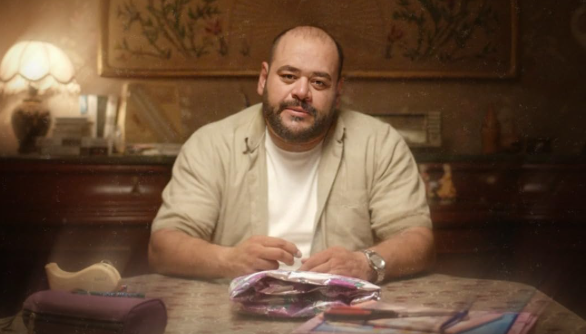
Set in Cairo in 2005, we meet Mr. Hazem (Mamdouh), a widower doing his best to raise his teenage daughter. While playing soccer one afternoon, family friend Mrs. Nora (Shiha) approaches him and casually asks whether he plans to remarry. The conversation quickly shifts when she points out that his daughter Malak (Jessica Hossam El Din) is in need of her first bra. Eager to move past the topic, Hazem assures her it will be taken care of. However, when he attempts to bring up the subject with Malak later that evening, he finds himself completely unable to do so.
Determined to help his daughter, Hazem takes matters into his own hands and heads to a lingerie shop in hopes of making the purchase himself. Unfortunately, the experience proves far more complicated than anticipated. A series of interactions with a sales clerk (Dash) and a gift wrapper (Gehad Hossam El Din) place him in increasingly uncomfortable situations that leave him questioning whether he is handling any of this correctly.
The film offers a clever look at both cultural expectations and traditional gender roles. Mamdouh creates a deeply relatable everyman who genuinely wants to do right by his daughter but finds himself constrained by the social norms and expectations surrounding him. While Hazem often struggles to express himself to others, his private moments reveal a man desperately trying to navigate a situation for which he feels completely unprepared. It is difficult not to empathize with him, even as he repeatedly avoids the very conversation he knows he needs to have.
Visually, the film proves more entertaining than one might expect. The production design team has considerable fun with the lingerie shop setting, transforming what should be a simple errand into a source of escalating discomfort. Dabbour's screenplay frequently flirts with sitcom-style humor, but it remains grounded by recognizable human behavior and authentic interactions. Whether Hazem is attempting to navigate the store or stumbling through increasingly awkward exchanges, the comedy always feels rooted in character rather than caricature.
While the film's conclusion remains satisfying, it also feels as though it sidesteps some of the emotional payoff the story has been building toward. The narrative spends much of its runtime exploring the difficulty of communication between parent and child, and one cannot help but wish it had leaned a little further into that idea. Still, this does little to diminish the warmth, humor, and humanity present throughout. All in all, this thoughtful family story reminds us that the conversations we fear most are often the ones that matter most.
Click HERE for an EXCLUSIVE interview with director Mohamed Taher.
Review by Cinephile Mike
ChikaBOOM!
⭐️⭐️⭐️⭐️⭐️
Short Film (Narrative)
Film Production Company: Asteria Film Co. and Everyday Mischief
Rating: NR / Run Time: 9 minutes
Language: English
Writer: c. Craig
Director: c. Craig
Starring: Yara Shahidi, Natasha Lyonne, Daveed Diggs,
Roy Wood, Jr. and Tika Sumpter
“You don’t get it kid. You’re no magician.”
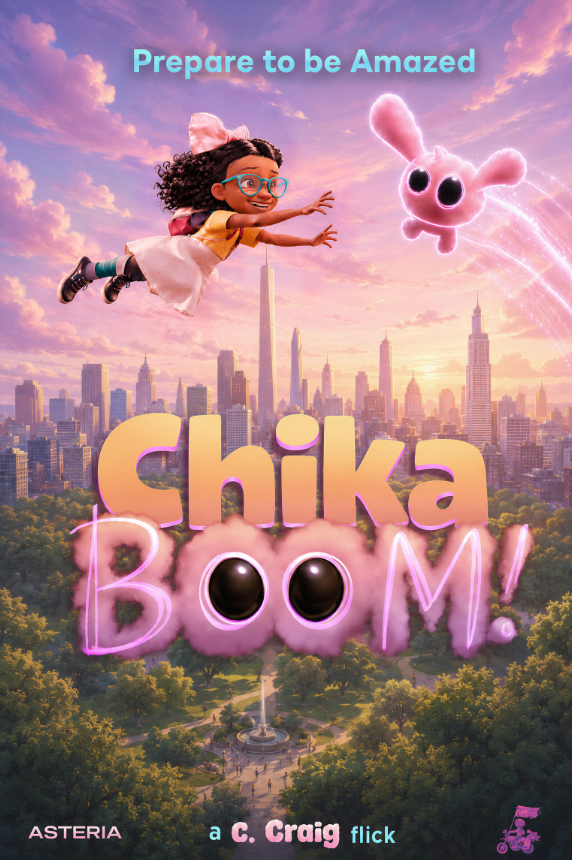
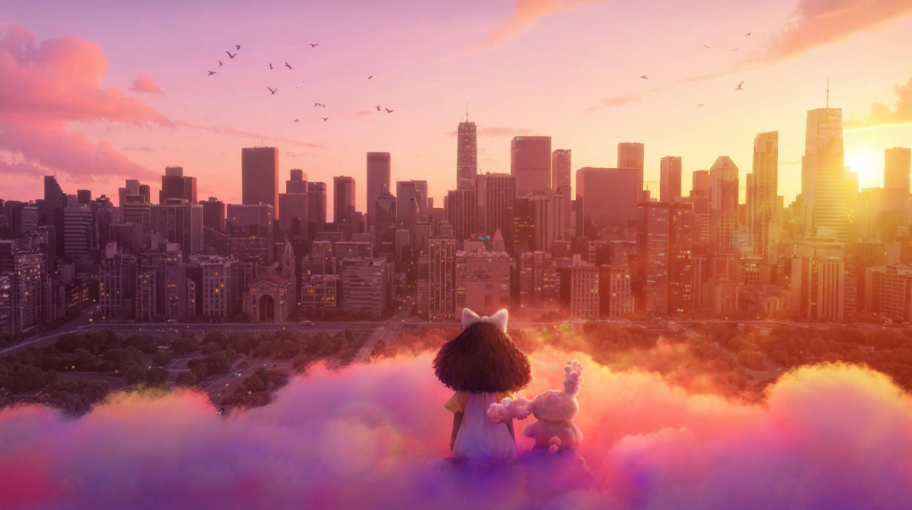
Chika (voiced by Shahidi) has one dream: she wants to be a magician just like her father, The Amazin' Arnie (voiced by Diggs). Coming from a long line of magicians, she is eager for her big break. While her father is supportive, he refuses to let her borrow his magic and insists that she simply needs more practice. Before leaving one day, however, he accidentally drops the key to his magic cabinet. Inside, the cabinet appears to be filled with nothing more than empty jars. Curious, Chika opens one and releases Kaboom (voiced by Lyonne), a chaotic creature from the world of Wigglewoo. Like a genie escaping from a bottle, Kaboom is determined to explore, setting off a wild chase across New York City as Chika scrambles to track her down.
In its brief nine minutes, c. Craig crafts a visually stunning short that explores family expectations and the challenge of living up to a legacy. Blending traditional 2D animation with richly textured 3D computer animation, the film brings a bright, almost neon-colored New York City to life. As Chika races through Central Park and beyond in pursuit of Kaboom, every frame bursts with energy. The striking production design by Hannah Beachler and costume designs by Ruth E. Carter help create a whimsical, cotton-candy-colored world that feels both fantastical and familiar.
The voice cast is pitch-perfect, especially Lyonne, who delivers some of the film's biggest laughs as the delightfully unpredictable Kaboom. Her signature New York snark plays beautifully against Shahidi's earnest and determined Chika. What makes the film work so well is how quickly it establishes an emotional connection between the two characters. Beneath the colorful animation and fast-paced adventure is a story about patience, self-confidence, and understanding that growth cannot be rushed. By the time the credits roll, you find yourself wanting to spend more time in this world and with these characters. All in all, this charming short reminds us that sometimes the things we want most are worth waiting for.
Click HERE for an EXCLUSIVE interview with writer/director c. Craig.
Review by Cinephile Mike
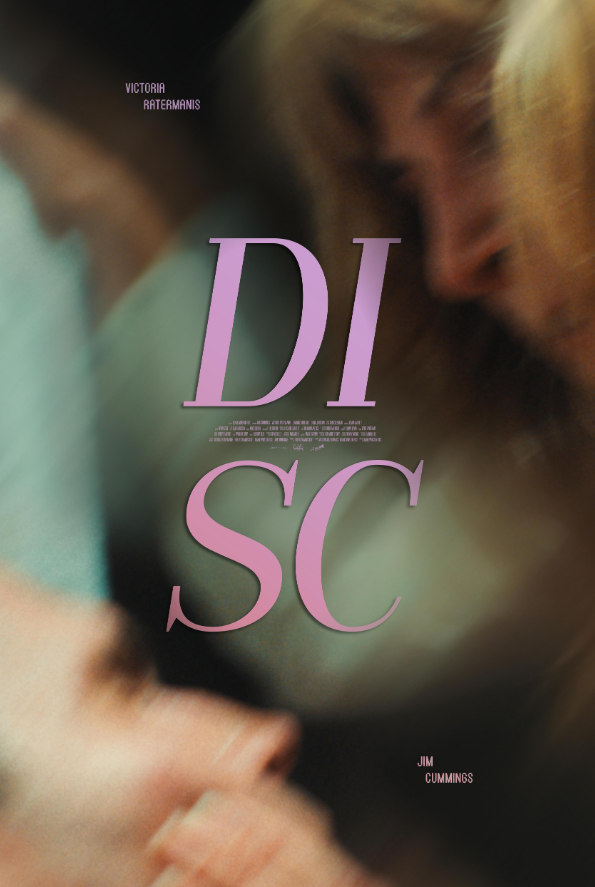
Disc
⭐️⭐️⭐️⭐️⭐️
Short Film (Narrative)
Film Production Companies: BWR Productions, Pan Up Productions
and OB Films
Rating: NR / Run Time: 13 minutes
Language: English
Director: Blake Winston Rice
Writer: Blake Winston Rice and Victoria Ratermanis
Starring: Jim Cummings and Victoria Ratermanis
“We are having a situation. It is male/female. This is between grown-ups. This is grown-up things.”
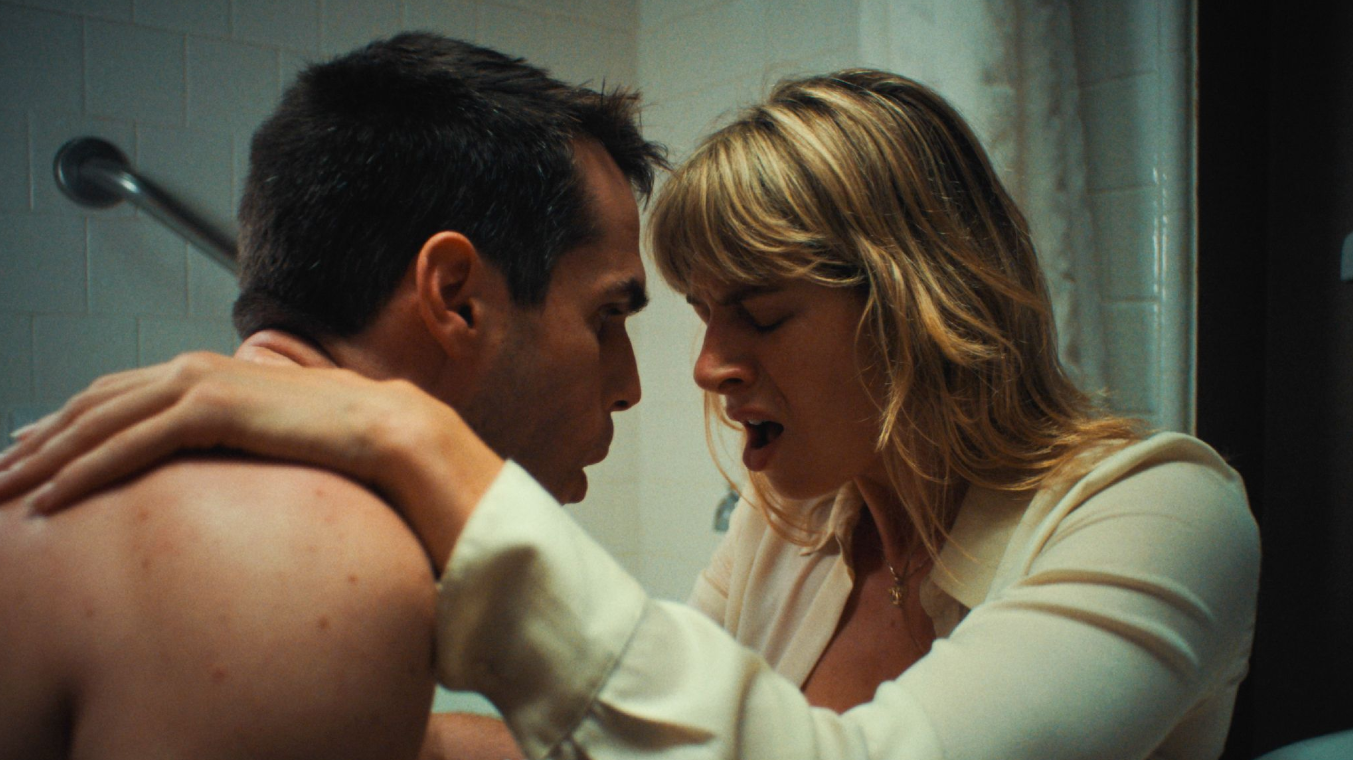
In general, the morning after a one-night stand can be awkward enough. In the bright light of day, Alex (Ratermanis) wakes up and prepares to leave Carey's (Cummings) hotel room, hopefully before he wakes up. After getting dressed, Carey awakens, and the two engage in the usual awkward banter. When he asks if she is going to attend a certain panel, explaining that he plans to skip it, Alex reveals that she is actually moderating it. Hoping to make a smooth exit, she asks if she can use the restroom before leaving. As Carey sips a cup of coffee and begins replaying the events of the previous night in his head, Alex suddenly begins making disturbing sounds behind the bathroom door.
Alex reveals that she is on her period and is having difficulty with a personal hygiene product, and she is going to need some assistance. Standing in awkward silence, Carey and Alex try to determine how to maneuver through the situation inside the cramped motel bathroom. What follows is an increasingly chaotic dance of moans, groans, phone calls, and housekeeping interruptions as they desperately attempt to reach a solution.
Both horrifying in its premise and laughably ironic in its execution, Ratermanis and Cummings throw themselves fully into the situation. The dialogue is exceptionally clever, and the discussions about what the human body is actually capable of invite equal amounts of laughter and groans. In a similar vein to Jane Austen's Period Drama, the filmmakers explore a very natural circumstance through an increasingly absurd lens, leaving audiences wondering how anyone could possibly navigate such a predicament. What makes the comedy so effective is that neither performer winks at the audience. Instead, both commit completely to the escalating absurdity, treating every new complication with absolute sincerity. With an ear-tingling score by Kevin Garrett that cleverly juxtaposes the action, sharp editing by Mike O'Brien, and inventive cinematography from Nyk Allen that transforms a simple motel bathroom into the film's primary stage, the filmmakers make the most of every inch of space. All in all, this absurd comedy finds hilarity in one of life's most uncomfortable situations and never loses sight of the humanity trapped inside it.
Click HERE for an EXCLUSIVE interview with co-writer/director Blake Winston Rice and co-writer/star Victoria Ratermanis.
Review by Cinephile Mike
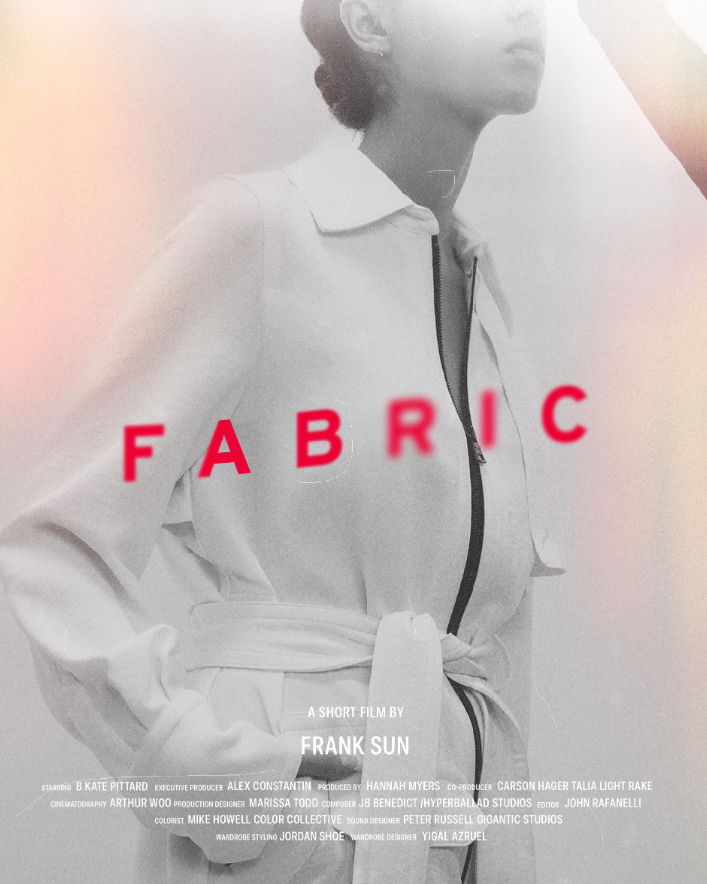
Fabric
⭐️⭐️⭐️⭐️
Short Film (Narrative)
Film Production Company: Streamwork Ventures
Rating: NR / Run Time: 15 minutes
Language: English
Writer: Frank Sun
Director: Frank Sun
Starring: b, Kate Pittard, Polina Stogova and Stacey Chu
“Could you get us in?...Just say we’re models.”
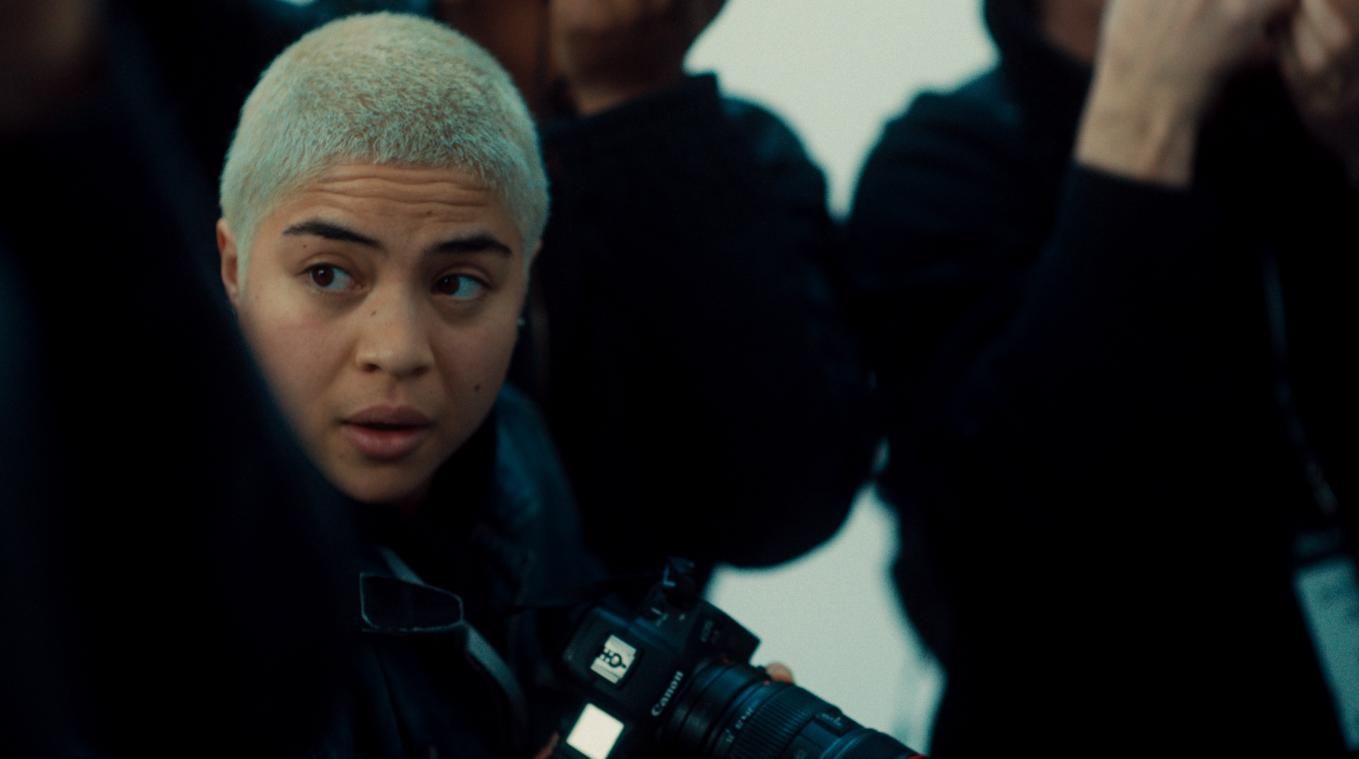
New York Fashion Week. Beauty. Wonder. Stress. Chaos. Writer/director Frank Sun drops us right into the middle of it as we watch Mack (b) try to capture their final shots before being ushered out so the models can take to the runway. During the shoot, Mack meets Vanessa (Pittard). Fascinated by her, Mack sends Vanessa one of the photos on Instagram, which she immediately likes. Not long after, Mack runs into Vanessa and her friend Sasha (Stogova) at a pizza shop. After receiving a text from their editor, Mack has to leave for a designer's afterparty, and Vanessa and Sasha charm their way into securing an invitation.
Once there, amid the pulsing music and colored lights of the party, Mack does their job while keeping one eye on Vanessa. Eventually, Vanessa pulls Mack into a side room. After removing several pieces from the designer's showroom to try on, the two begin an impromptu photo shoot. As they do, they share details about themselves, but as time ticks on, they realize they need to leave. However, Vanessa makes a decision that will have immediate ramifications for Mack and their work.
In an industry obsessed with perception, Frank Sun delves into its underside, revealing the less glamorous realities and the ways people can impact one another in pursuit of their goals. Through Mack and Vanessa, he crafts a pair who each need something from the other and are determined to pursue it despite the consequences. Set against the backdrop of a pulsing afterparty, cinematographer Arthur Woo shifts from a cinéma vérité approach during Mack's work and the pizza shop encounter to an almost dreamlike atmosphere once the party begins, emphasizing the contrast between these two worlds. b and Pittard create a compelling back-and-forth as two people searching for something in a world where it appears almost anything can be placed at their feet, while still capturing the loneliness that exists beneath the surface. All in all, this short challenges viewers to consider the less glamorous side of an industry that many aspire to join.
Click HERE for an EXCLUSIVE interview with writer and director, Frank Sun.
Review by Cinephile Mike
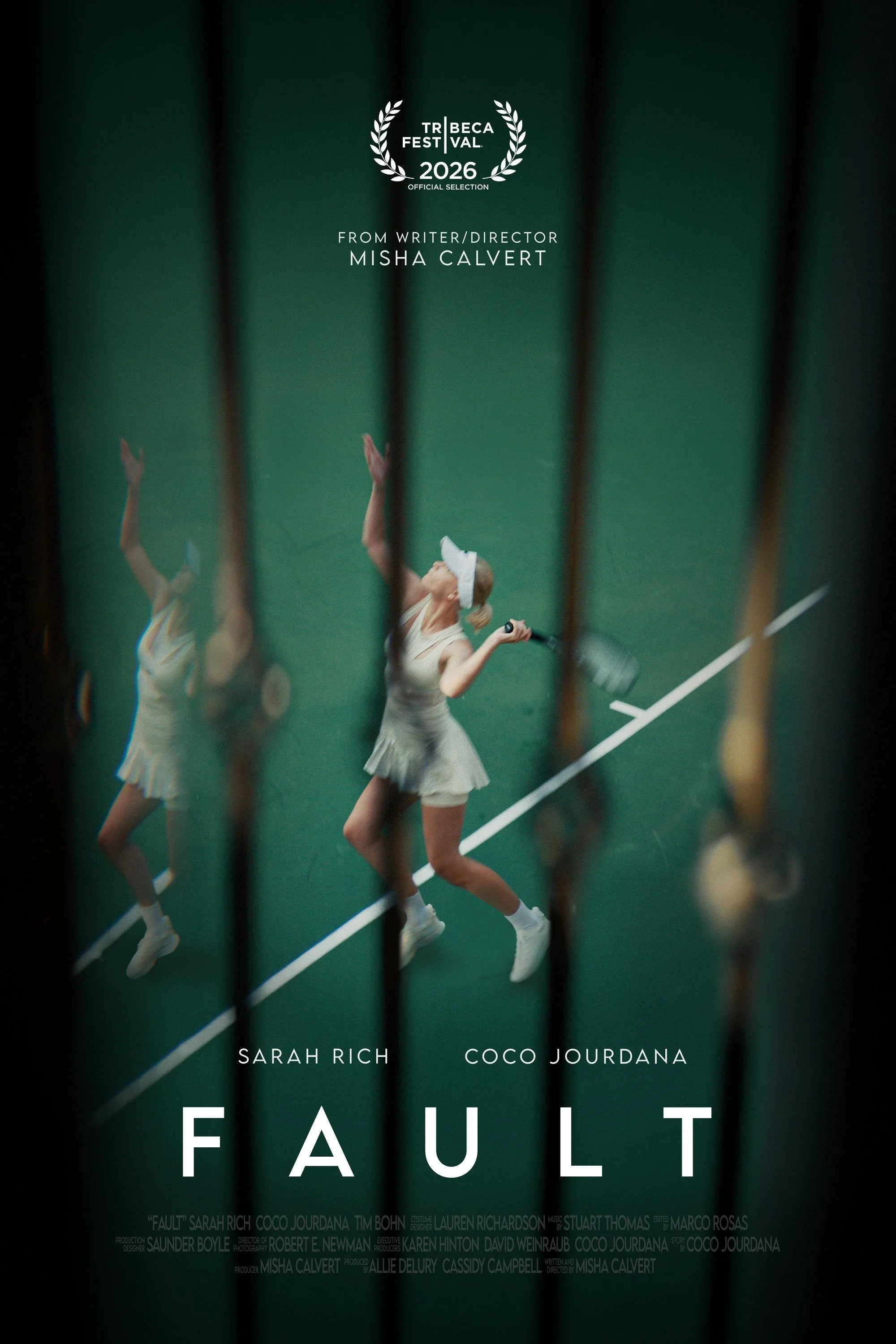
Fault
⭐️⭐️⭐️⭐️⭐️
Short Film (Narrative)
Rating: NR / Run Time: 14 minutes
Language: English
Director: Misha Calvert
Writer: Misha Calvert
Starring: Sarah Rich, Coco Jourdana and Tim Bohn
“By the way, don’t freak out, but Gigi is coming for lunch.”
Steph (Rich) is stressed. As she prepares for the U.S. Open, she pushes herself relentlessly, training to exhaustion while utilizing every tool at her disposal. Constantly checking in with her coach, who monitors her progress electronically, Steph is focused entirely on maintaining control. But on this particular day, the pressure is heightened even further as she prepares to see her sister Gigi (Jourdana) for the first time in over a year. After a four-hour drive, Gigi’s arrival is met with far less warmth than expected, and it quickly becomes clear just how different the two sisters are. We learn that Gigi was once a player herself, and before long, the sisters take their tension onto Steph’s impressive backyard tennis court.
Once the match begins, it becomes obvious that something deeper is simmering beneath Gigi’s cool exterior. As they rally back and forth, Gigi begins unloading years of resentment and frustration, forcing Steph to confront her perceived shortcomings point by point. Meanwhile, Steph’s coach (Bohn) repeatedly calls, warning her to stay away from Gigi and insisting that nothing good can come from the reunion. As the game comes to a head, the sisters are forced to confront uncomfortable truths about themselves and each other. But once those truths are exposed, everything threatens to come crashing down.
Building toward what writer-director Calvert describes as a “primal scream,” the film is anchored by powerful performances from both Rich and Jourdana. Their raw, unfiltered exchanges make the emotional tension feel deeply authentic as the sisters attempt to reconcile years of buried resentment, choices, and pain. Despite the film’s brief runtime, Calvert paces the story effectively, crafting characters that feel fully realized while still leaving audiences wanting to spend more time with them. Cinematographer Robert E. Newman captures both the physicality and emotional volatility of the tennis sequences with intensity, while Stuart Michael Thomas’ unnerving score heightens the growing sense of unease throughout the film’s climax. All in all, this powerful short leaves a lasting impact and serves as a reminder that silence is not always golden—and that sometimes there is real power in finally letting yourself scream.
Click HERE for an EXCLUSIVE interview with writer, director and producer Misha Calvert.
Review by Cinephile Mike
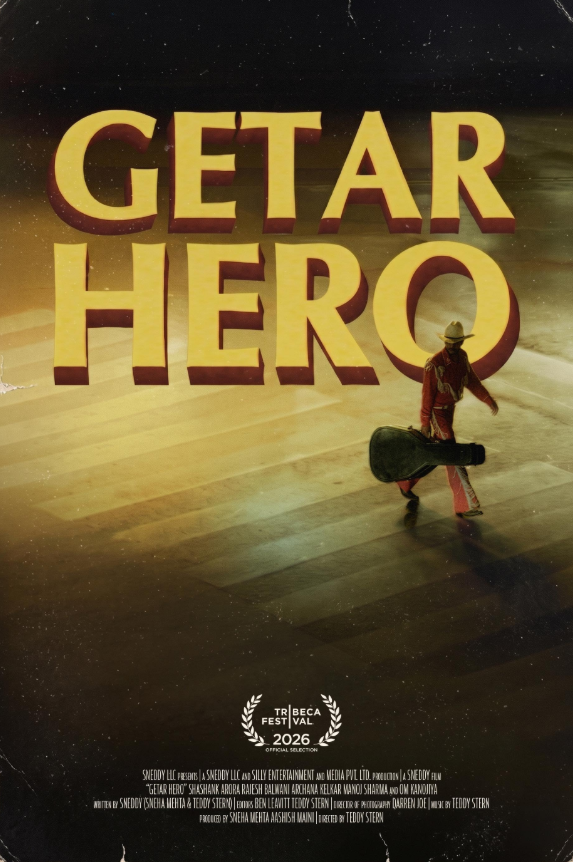
Getar Hero
⭐️⭐️⭐️⭐️
Short Film (Narrative)
Film Production Company: Harbor Picture Company and Sneddy
Rating: NR / Run Time: 16 minutes
Language: Hindi with English subtitles and English
Writer: Sneddy (Teddy Stern and Sneha Mehta)
Director: Teddy Stern
Starring: Shashank Arora, Rajesh Balwani, Manoj Sharma and Om Kanojiya
“Without this guitar I won’t be able to perform.”
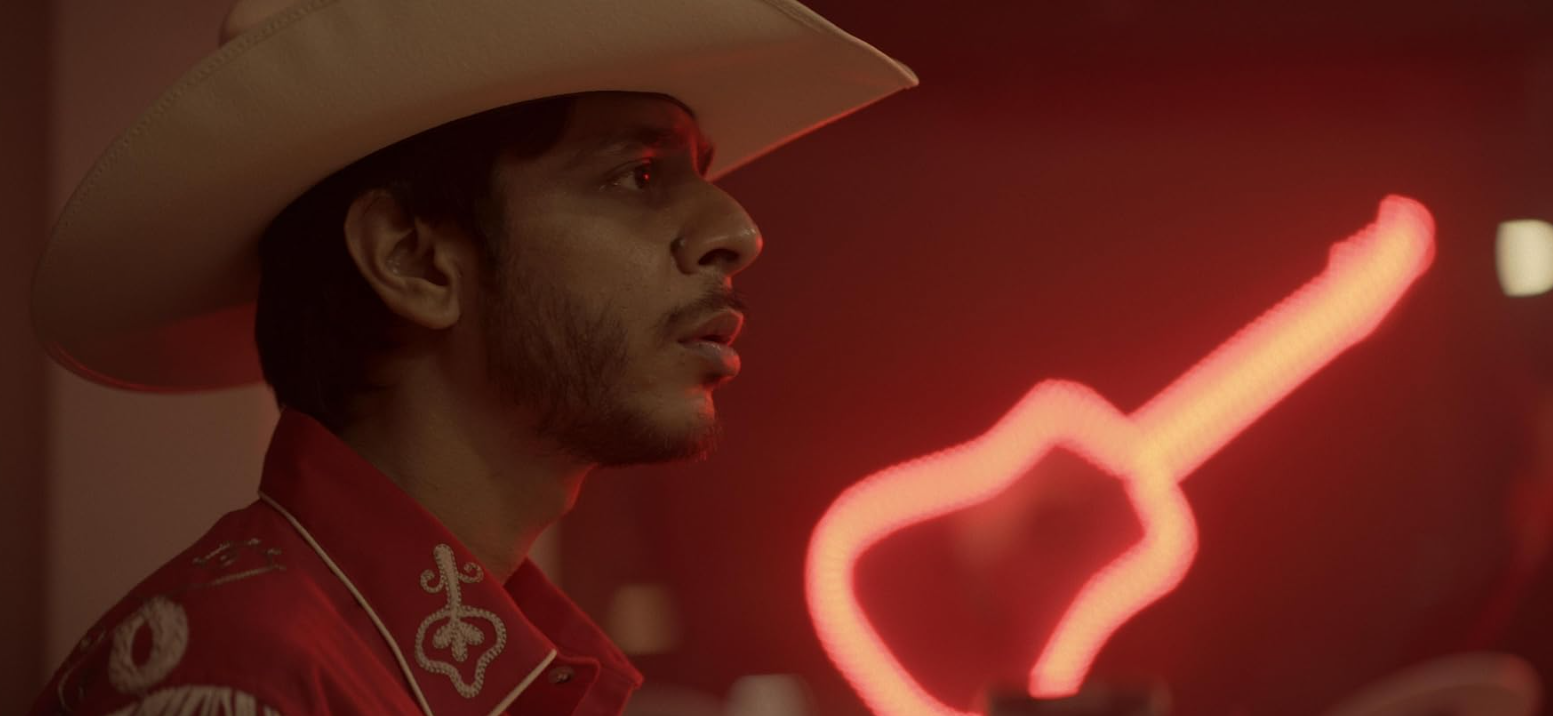
A Cowboy (Arora), on his way to a gig in Bombay, wakes up to discover that both his wallet and guitar have been stolen. Unable to perform, he spends the evening navigating the city's streets in search of a replacement. With no money, however, the task proves difficult. He first seeks help from former colleague and friend Mahesh (Balwani), an Elvis impersonator who still harbors a grudge, but the reunion is anything but friendly. Next, he attempts to rent a guitar from a local music shop, only to be turned away by employee Trevor (Sharma), who reminds him that it is a store, not a rental service. When Trevor is later sent on an errand by his domineering mother (voiced by co-writer Sneha Mehta), the Cowboy offers to help, hoping that perhaps some good fortune might eventually come his way.
Their journey eventually leads them to a recording studio where, while waiting, the Cowboy picks up a guitar and begins to play. As if responding to some invisible invitation, other musicians slowly join in, creating a spontaneous musical collaboration that becomes the film's most memorable sequence. What follows presents the Cowboy with an unexpected opportunity, one that forces him to consider not only what he wants, but what his choices may mean for others waiting back home.
Exploring the familiar mythology of the wandering loner, Sneddy creates an intriguing central figure in Arora's unnamed Cowboy. Arora brings an easy charm to the role, making the character far more approachable than his appearance initially suggests. As he wanders through the neon-lit streets of Bombay in his bright red cowboy attire, cinematographer Darren Joe captures a fascinating collision of cultures and aesthetics. Yet as the music begins to take center stage, those differences start to disappear. The film suggests that music transcends language, geography, and circumstance, creating connections where none seemed possible moments before.
The film's third act feels somewhat rushed, hinting at a larger story that never fully materializes. Yet therein lies part of its charm. Like the Cowboy himself, the film drifts into town, leaves its mark, and moves on before revealing everything. All in all, this short reminds us that music has a unique way of bringing people together, often when they need it most.
Click HERE for an EXCLUSIVE interview with Sneddy (Sneha Mehta: Co-Writer/Producer and Teddy Stern: Co-Writer/Director).
Review by Cinephile Mike
General Admission
⭐️⭐️⭐️⭐️
Short Film (Narrative)
Rating: NR / Run Time: 10 minutes
Language: English
Director: Kaily Morgan Smith
Writer: Sarah Adina
Featuring: Nina Dobrev, Adam Shapiro, Cedric Yarbrough, Sarah Baker,
Geo Lee, and Bunny Klein Gibson
“I can’t control this urge. I do find comfort in that I’m not alone in this feeling.”
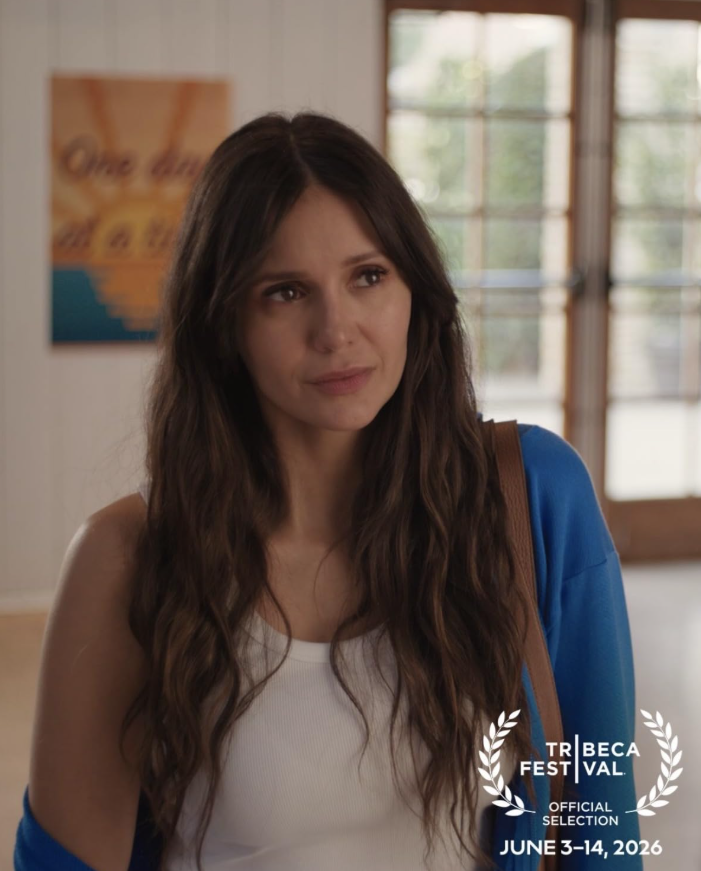
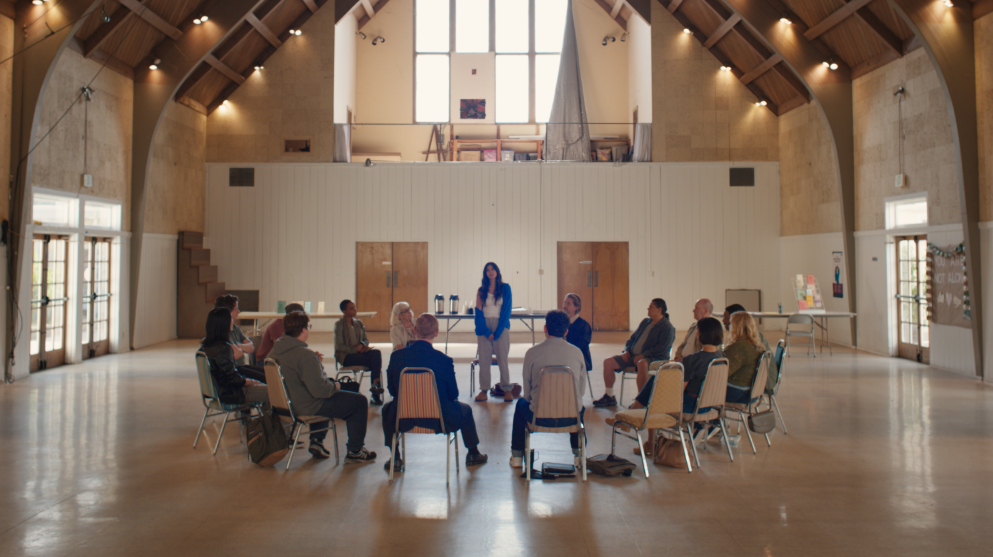
Kelly (Dobrev) is heartbroken. Having recently broken up with her cheating ex, she decides that what she needs most is support. So off she goes to a meeting that she believes will help her find the closure necessary to move on. Arriving late—and crashing into the circle, quite literally—she takes her seat among the attendees. Group leader Darryl (Shapiro) invites her to speak, and speak she does.
In a long, increasingly unfiltered monologue, Kelly unloads everything from the details of her failed relationship to her personal passions and other deeply private information. While she remains lost in her own thoughts, the members of the group exchange bewildered looks, each trying to make sense of the stranger sitting before them. Not wanting to interrupt, they allow her to continue, and when she finally finishes, she is confronted with a hard truth that leads to some unexpected revelations.
Equal parts heartbreaking and laugh-out-loud funny, General Admission paints a situation that will feel entirely relatable to many viewers. In Kelly, Dobrev proves herself a comedic powerhouse, delivering her extended diatribe with all the energy of someone freshly navigating heartbreak. She speaks with such speed and conviction that you are likely to miss a joke or two as the laughs continue piling up. The comedy is further elevated by the excellent dialogue-free reactions of the support group members, including Cedric Yarbrough, Sarah Baker, Geo Lee, and Bunny Klein Gibson, each of whom contributes to the film's escalating absurdity.
Adina demonstrates a sharp understanding of comedic timing through her screenplay, and Morgan Smith directs with confidence, never missing a beat. While there may come a moment when viewers begin to suspect where the story is headed, it never diminishes the impact of the lessons learned along the way. In fact, by the time the film reaches its conclusion, you may find yourself thinking, "Wait, I want to spend more time with this group." All in all, this relatable story will have you laughing, but also double-checking yourself.
Click HERE for an EXCLUSIVE interview with writer/producer Sarah Adina and director/producer Kaily Morgan Smith.
Review by Cinephile Mike
Holo
⭐️⭐️⭐️⭐️
Short Film (Narrative)
Rating: NR / Run Time: 12 minutes
Language: English
Director: Alexander DeSouza
Writer: Alex Hernandez-Maxwell
Starring: Shane West, Morgan Kohan, Zelda Williams, Tony Nappo
and Beth Hornby
“You’re considered by this company to be sound of mind.”
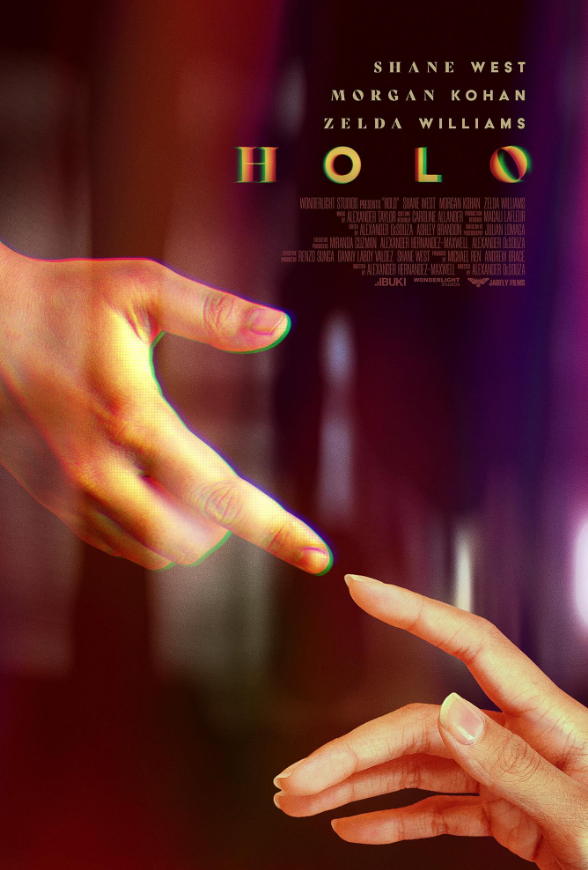
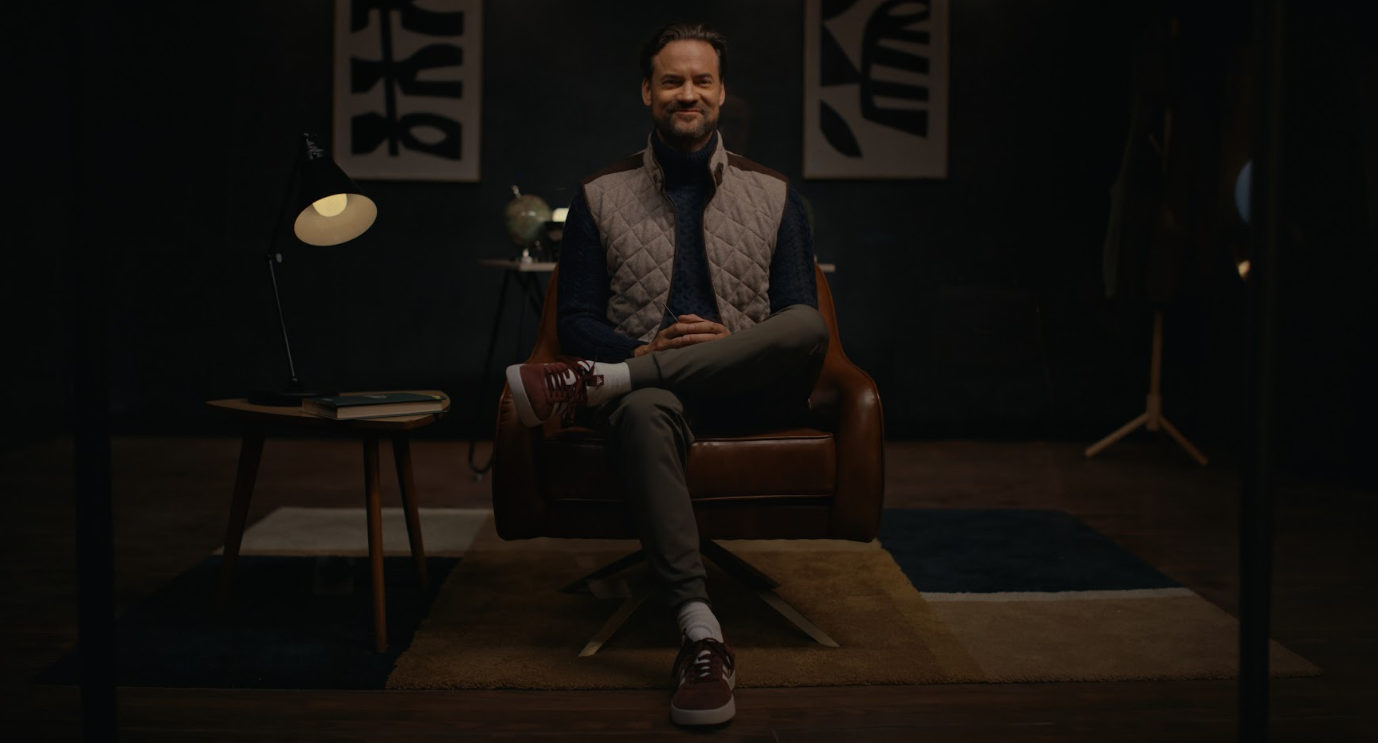
Claire (Kohan) has arrived at Looking Glass, a company that specializes in artificial encounters. Through advanced facial technology and performance work, employees such as Grey (Williams) recreate deceased loved ones for clients seeking answers, comfort, or closure. For this particular session, Grey has spent considerable time studying Claire's recently deceased partner Jared (West), learning not only about him, but about Claire as well. What begins as a chance to finally say what was left unsaid quickly reveals that their relationship may not have been as perfect as it appeared from the outside.
As Claire attempts to communicate with Jared, Grey's recreation continually interrupts and challenges her, making the closure she seeks increasingly difficult to obtain. Or perhaps that is precisely the point. As the session progresses and emotions begin to boil over, the carefully controlled environment becomes increasingly volatile. In a short amount of time, we gain insight into the complexities of their relationship and the wounds that neither time nor death have fully healed.
In a world increasingly surrounded by deepfake technology and artificial intelligence, Holo presents a disturbing yet fascinating look at how these tools might someday be used for therapeutic purposes. While the premise feels futuristic, it is close enough to reality to be unsettling. The film raises compelling ethical questions about grief, consent, and whether technology should be used to recreate the people we have lost. Kohan delivers a sympathetic performance as Claire, while West brings a controlled intensity to Jared that keeps the viewer slightly on edge throughout. You almost feel relieved that a pane of glass separates them, though one key moment reminds us just how fragile the human mind can be beneath its outward strength.
Julian Lomaga's cinematography gives the film a retro-futuristic aesthetic, while Magali Lafleur's muted production design and Caroline Allander's costume work create an atmosphere of calm that sharply contrasts with the emotional storm unfolding underneath. Hernandez-Maxwell ratchets up the tension quickly—perhaps a little too quickly at times—but the ideas being explored are compelling enough that you wish the film had a few more minutes to dig deeper. The concept feels rich enough to support a larger story. All in all, this thought-provoking short asks whether closure is something technology can provide, or something we ultimately have to find for ourselves.
Click HERE for an EXCLUSIVE interview with director Alexander DeSouza and star Morgan Kohan.
Review by Cinephile Mike
I’m Not Home
⭐️⭐️⭐️⭐️⭐️
Short Film (Narrative)
Film Production Companies: nevernot, Group Thrpy, We Are Films
and Streamwork Ventures
Rating: NR / Run Time: 14 minutes
Language: English
Director: Elena Parasco
Writer: Elena Parasco
Starring: Eli Brown and Julian De Niro
“Funny how things change.”
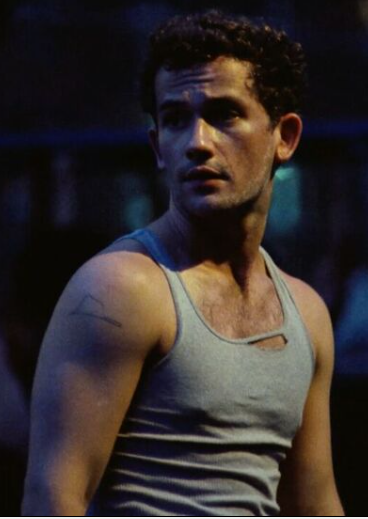
Tilo (Brown) and Rune (De Niro) have been friends for a long time. After spending a period apart, the two reunite on a summer day and decide to revisit one of their favorite pastimes: listening to old answering machine cassette tapes and piecing together the stories hidden within the messages. As each tape plays, fragments of different lives emerge before them, most appearing fairly mundane—until they reach one particular recording.
Listening to a message involving something “real” unexpectedly strikes a nerve, prompting one of them to react in a way that slowly opens the door to deeper conversation. As the tapes continue playing, the longtime friends begin quietly airing lingering grievances and unresolved emotions. It becomes clear that things have not been entirely peaceful since they last saw one another, and through these recordings from strangers, their own unspoken truths gradually come to light.
Powerful in its brevity, first-time director Parasco manages to say both so much and so little through only a handful of words, a cassette tape, and a series of intense close-ups captured with almost uncomfortable intimacy by cinematographer Tim Curtin. As the camera slowly closes in on the two young men and we attempt to piece together the history between them, the film gives viewers just enough information to remain emotionally invested without ever over-explaining itself. The cramped, claustrophobic room in which most of the film unfolds becomes an effective emotional pressure cooker, forcing the characters—and the audience—to sit within the tension. Bookended by moments that intentionally withhold complete clarity, the short ultimately becomes a fascinating meditation on masculinity, vulnerability, and self-acceptance. All in all, this thoughtful short serves as a reminder that what remains unsaid can often carry the greatest weight—if we are willing to truly listen.
Review by Cinephile Mike
Kaya
⭐️⭐️⭐️⭐️
Short Film (Narrative)
Film Production Company: Luzan Creative
Rating: NR / Run Time: 12 minutes
Language: English and Filipino with English subtitles
Writer: Isabel Lamers
Director: Isabel Lamers
Starring: Isabel Lamers, EJ Lipana, Gaye Angeles Piccio and Kayley Carrigan
“I’m tired of being treated like a foreigner, like I don’t understand what they say behind my back, like I don’t understand my own culture.”
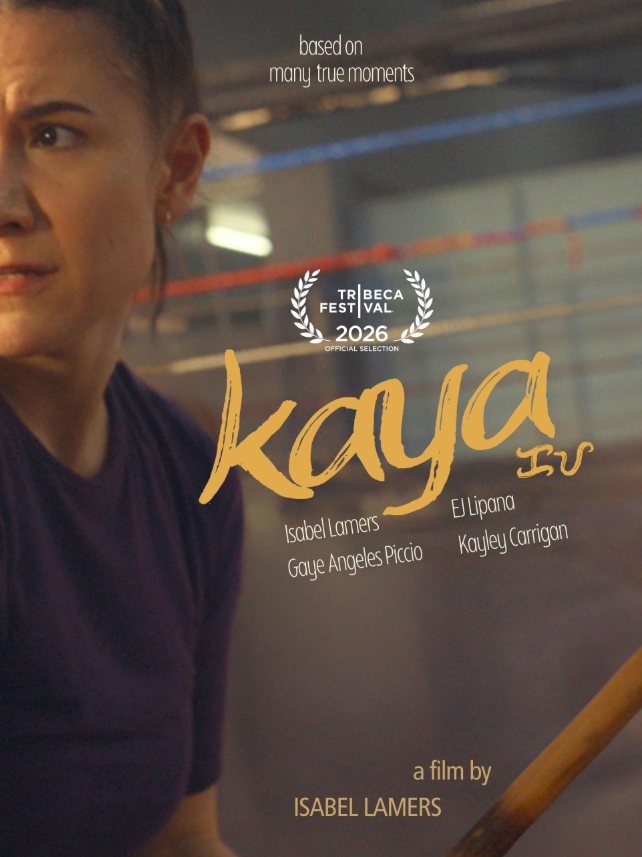
Nia (Lamers) has one objective: she wants to make the Filipino Martial Arts team. With her Western kickboxing training, she feels she has a chance, but after losing a trial match against Malic (Lipana), gym owner Angel (Carrigan) rejects her. Undeterred, Nia has a month before the next tryout and enlists Malic's help. Dealing with his own issues within the team, he agrees to train her in secret, without Angel's knowledge, as Nia works to develop the skills she needs.
Meanwhile, Nia is not only dealing with the challenge of being accepted in a sporting world that seems determined to reject her, but she is also at odds with her mother, Maria (Piccio), who is more concerned with social standing than her daughter's desire to be a fighter. Maria constantly urges Nia to be more feminine and use her mixed-race background to appear more "white" and fit expectations. All of this puts Nia at odds with those around her as she tries to find her place and prepare for her next big battle.
In her directorial debut, Lamers gives us a character who is fiercely determined and uncompromising. While stories about characters struggling to find where they belong between two worlds are not new, Lamers brings a fresh perspective by exploring that conflict through the lens of Filipino martial arts and cultural identity. Nia's determination to embrace who she is, rather than conform to the expectations placed upon her, gives the film an emotional core that extends beyond the fight sequences. Lamers proves herself a strong new voice with something meaningful to say, and she comes out swinging in all the right ways.
There is not enough that can be said about Cesca Lee's cinematography, which captures the action with remarkable finesse, making every kick, punch, and clash of the bastons feel impactful. Carmichael B. Castanos' score is equally effective, bringing sensitivity to the intimate moments between Nia and her family before pushing viewers to the edge of their seats as the action unfolds on screen. All in all, this promising debut reminds you not to give up on what you want—no matter what the naysayers say.
Click HERE for an EXCLUSIVE interview with writer, director and star Isabel Lamers.
Review by Cinephile Mike
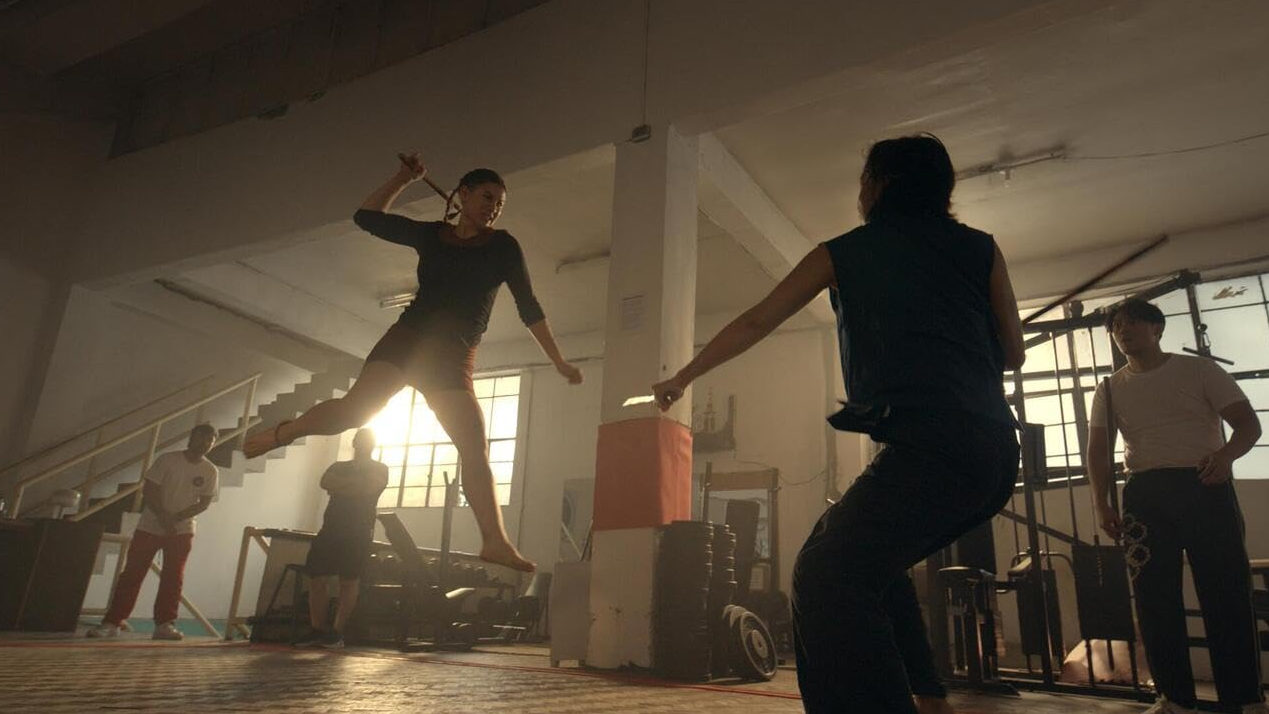
Reconstructing Charlie
⭐️⭐️⭐️⭐️
Short Film (Narrative)
Rating: NR / Run Time: 22 minutes
Language: English
Director: Lara Everly
Writer: Lara Everly
Starring: Emily Arlook, Brooke Lyons and Ian Reier Michaels
“Leave everything to me, it’ll be like a breast bucket list.”
Charlie (Arlook) is ready to begin her post-divorce glow-up chapter. Newly separated from her husband, those plans are quickly derailed when she is diagnosed with Stage 1 invasive breast cancer. As she tries to determine her next steps, Charlie realizes that recovering from a mastectomy is not something she wants to face alone. Packing up her children, she moves back home to Houston to stay with her sister Allison (Lyons) while undergoing treatment. Upon arriving, Charlie is forced to confront the reality that life—and her relationship with her own body—will inevitably change after the procedure. Wanting one final opportunity to feel desirable and physically connected before everything shifts, she begins searching for one last night of freedom and escape.
Inspired by the creation of a “Breast Bucket List,” Allison convinces Charlie to embrace one more carefree evening out. From a karaoke bar to a strip club to the pool, the sisters throw themselves into the night. Along the way, Charlie reconnects with a former high school crush, Lucien (Michaels), and begins to glimpse the possibility of something beyond her diagnosis. However, as the evening spirals increasingly out of control, Charlie and Allison find themselves forced to confront emotions and truths buried much deeper within their relationship than either expected.
One of the film’s greatest strengths is the effortless chemistry between Arlook and Lyons as Charlie and Allison. Their believable sisterly dynamic allows both the comedic and emotional moments to land naturally. Everly crafts a story that is equally capable of delivering laugh-out-loud comedy and deeply heartfelt drama. While there are a few narrative threads that feel as though they could have benefited from additional exploration, the emotional core of the film remains satisfying throughout. At its heart, Reconstructing Charlie is not simply about a woman coming to terms with a diagnosis, but about learning how to move forward and recognize that life is defined not by a single moment, but by what comes next. All in all, this touching film serves as a reminder of the power of sisterhood, resilience, and continuing to live life fully, even in the face of uncertainty.
Click HERE for an EXCLUSIVE interview with writer and director Lara Everly.
Review by Cinephile Mike
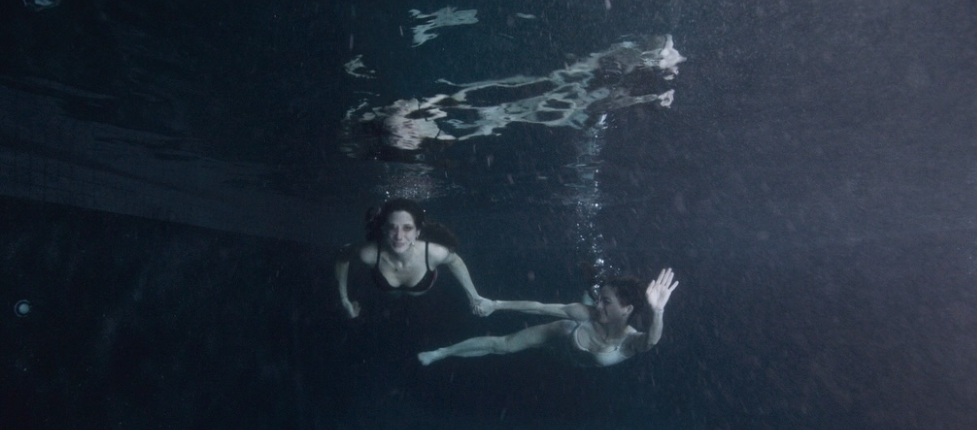
Roar
⭐️⭐️⭐️⭐️
Short Film (Narrative)
Film Production Companies: Illuminai Studios
Rating: NR / Run Time: 4 minutes
Language: English and Japanese
Writer: Jesse Weglein
Director: Jesse Weglein
“I’m still learning where I stand.”
Tora is a neurodivergent young girl with selective mutism who has recently moved with her mother from Tokyo to San Francisco. Everything about her new life presents a challenge—the language, the culture, the environment, and even the plants and air around her feel unfamiliar. Through a series of small adventures with her mother, from visits to the beach to sightseeing around the Golden Gate Bridge, we watch Tora begin to navigate this new world.
As they journey through the city, Tora often retreats behind her headphones, filling her ears with the K-pop music that brings her comfort. Through an infectious, high-energy musical number, her inner thoughts are brought vividly to life as she dreams of finding her voice, embracing who she is, and discovering where she belongs.
In a remarkably brief four minutes, writer/director Jesse Weglein crafts a surprisingly insightful portrait of a young girl searching for connection. Through vibrant computer animation, created with the implementation of AI tools, audiences are treated to colorful glimpses of San Francisco and the many cultures that make the city unique. Drawing upon his experience at Pixar, Weglein demonstrates an understanding of visual storytelling that allows emotions to resonate without excessive dialogue. Sometimes all that is needed is a look, a smile, or a moment of quiet observation. All in all, this adorable short reminds us that the thoughts we keep inside often reveal who we truly are.
Click HERE for an EXCLUSIVE interview with writer and director Jesse Weglein.
Review by Cinephile Mike

Saba
⭐️⭐️⭐️⭐️⭐️
Short Film (Narrative)
Film Production Companies: Neko Films
Rating: NR / Run Time: 10 minutes
Language: Hebrew
Writer: Liron Topaz
Director: Liron Topaz
“Saba!”
In a world turned upside down by reverse gravity, a grandfather and grandson live in a home where everything physical is tethered by ropes. The grandfather finds comfort fishing in his deeply reclined chair while the grandson spends his days nearby chasing birds, and sharing quiet moments of joy with him. Life in this fragile balance feels steady—until a violent storm snaps one of the ropes anchoring their home, setting in motion events that will leave a lasting impact on both of them.
Within a short runtime, writer/director Topaz crafts a visually stunning and deeply affecting story about the fragility of life and the ways we endure when loss disrupts our sense of balance. Told entirely without dialogue, the film relies on pure visual storytelling, and it proves to be the best possible choice for this material. Every gesture and movement carries meaning, and the connection between the characters is felt rather than spoken. Daniel Markovich’s score becomes the emotional voice of the film—delicate, expressive, and reminiscent of a lost Pixar composition, where every note seems to contain unspoken dialogue.
Rendered in a beautiful watercolor-inspired visual style, Avner Geller’s production design transforms the home into something both imaginative and intimate. Despite its simplicity, the environment feels richly alive, carrying more emotional weight than a sprawling city ever could. There is a quiet catharsis running through the film, shaped by its muted palette and patient storytelling. Even in moments of sadness, Topaz creates a world that feels worth inhabiting. All in all, this short film touches the heart and gently reminds us of the importance of reaching out to those we may not always speak to, but never stop thinking about.
Click HERE for an EXCLUSIVE interview with writer and director Liron Topaz.
Review by Cinephile Mike
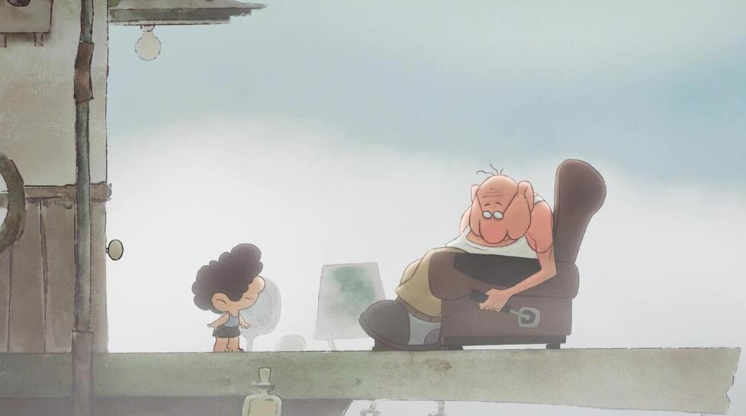
Selah
⭐️⭐️⭐️⭐️⭐️
Short Film (Narrative)
Rating: NR / Run Time: 22 minutes
Language: English
Writer: Lara Everly
Director: Lara Everly
Starring: Birdie Silverstein, Milana Vayntrub and Lauren Weedman
“It’s you and me. We got this.”
17-year-old Selah (Silverstein), like many other teens, needs money. Telling her mother that it is to support her school's underfunded varsity volleyball team, she begins searching for a job and eventually accepts one transporting a dog for professional breeder Annie (Weedman). Against the wishes of her mother Claire (Vayntrub), Selah picks up Toby, loads him into her SUV, and prepares for a 22-hour drive from Texas to California to deliver him to his new owners. With Toby secured in his travel kennel and Annie providing money for gas, food, and motels, Selah sets off in pursuit of a $1,000 payday waiting at the end of the journey.
As she crosses state lines, the trip proves far less straightforward than she anticipated. The kinds of obstacles one might expect on a cross-country drive with a dog begin to pile up, from unexpected veterinary visits to encounters with law enforcement and plenty of detours along the way. Yet these moments are not played for broad comedy. Instead, they become the building blocks of an unexpected bond between Selah and Toby. As the miles pass and California draws closer, both Selah's motivations and her feelings about the journey begin to evolve in ways she never anticipated.
While the film embraces the framework of a road-trip story, there is an absolute delight in the authenticity with which Everly crafts her narrative. She has found a remarkable leading lady in Silverstein, making her film debut. As the story unfolds, we learn just how much Selah is carrying on her shoulders, and Silverstein creates a young woman whose determination to find her place in the world is both compelling and deeply relatable. Even when Selah believes she has everything under control, the film gently reminds us that growing up is often about recognizing how much we still have to learn.
With sweeping cinematography by Chloe Weaver, audiences are treated to stunning glimpses of America as Selah travels through Texas, Arizona, and eventually California. As the roads stretch endlessly ahead and we watch both Selah and Toby sticking their heads out the window, we are reminded of just how large the world can feel and how difficult it can be to determine where we belong within it. The musical selections, including one by Vampire Weekend, further reinforce these ideas, giving the film a reflective quality that complements Selah's personal journey. Everly never loses sight of her character's inner strength, even during her most uncertain moments. All in all, this powerful story of independence reminds us that sometimes isolation can be a tool for survival and self-discovery.
Click HERE for an EXCLUSIVE interview with writer and director Lara Everly.
Review by Cinephile Mike
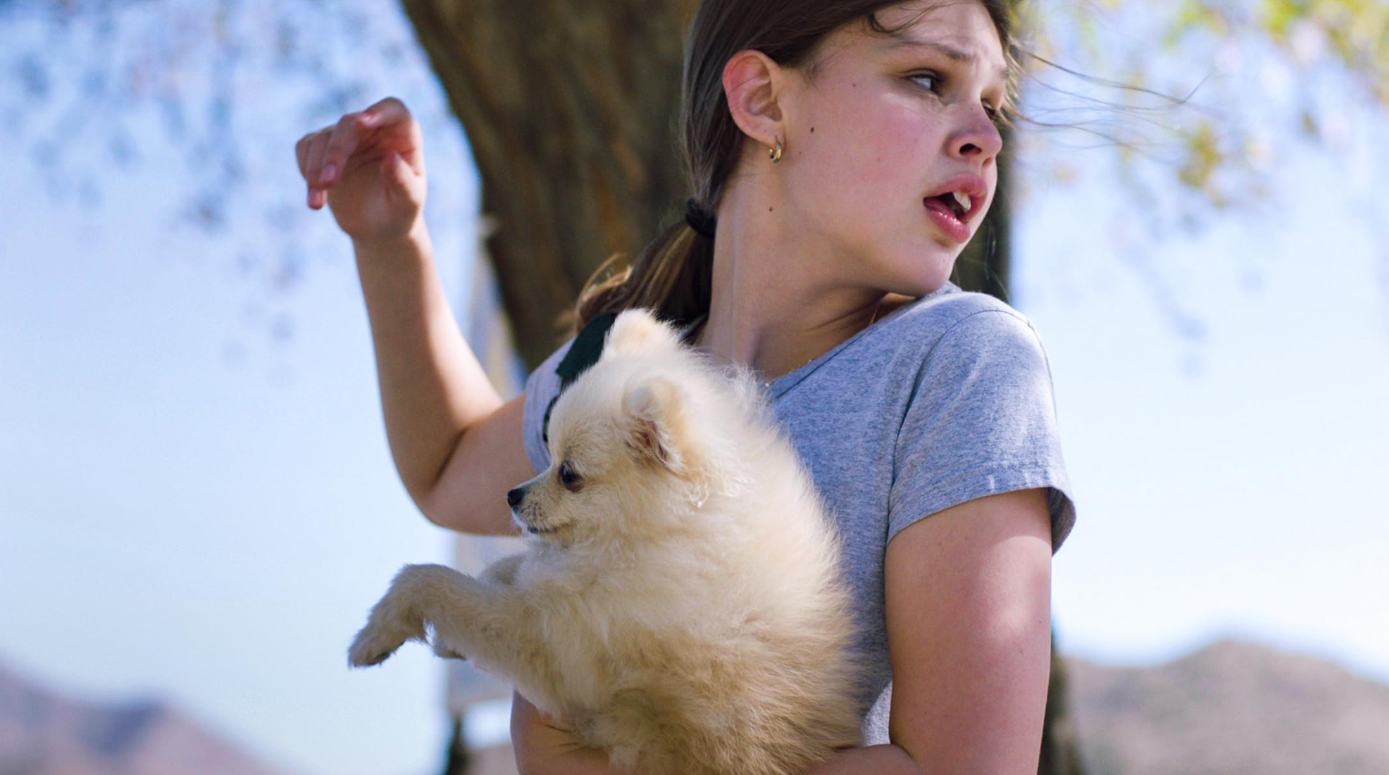
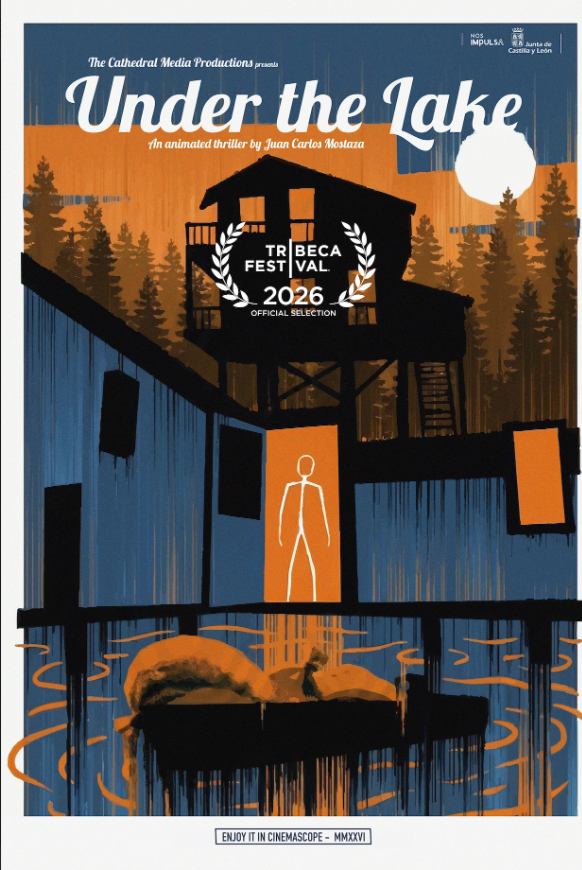
Under the Lake
⭐️⭐️⭐️⭐️⭐️
Short Film (Narrative)
Film Production Company: Cathedral Media Productions
Rating: NR / Run Time: 14 minutes
Director: Juan Carlos Mostaza
Writer: Juan Carlos Mostaza
In the middle of the serene woods, a man and his son live in a comfortable home beside a lake. They find solace in skimming stones across the water and enjoying the quiet isolation of their surroundings. One day, a truck arrives carrying a mysterious cargo. Upon its arrival, the man motions for his son to leave, and he does. The man then begins unloading the bundles and preparing to dispose of them. As he reaches the middle of the lake, a hand suddenly emerges from one of the bags. Reacting quickly, he attacks the figure with a paddle and leaves the bundle to sink beneath the water before returning to shore.
When he arrives home, he discovers that his son is missing. At the same time, movement begins to stir beneath the surface of the lake. The man from the bag has survived. After making it to shore, he encounters the father and son, who decide to show him compassion and attempt to make things right. However, that decision may carry consequences they never anticipated.
This film is a tension-packed ride almost from the opening moments. Animated entirely with wire-crafted figures that possess no facial features, the audience is left to interpret every action through movement, composition, and the film's remarkable sound design by Pablo Vega. Combined with Amy Farjada's haunting score, the result is an atmosphere filled with dread and uncertainty as events spiral further out of control.
Juan Carlos Mostaza crafts a short but highly effective thriller that trusts its audience. The absence of dialogue and facial expressions creates a lingering unease, allowing viewers to project their own fears and interpretations onto what unfolds on screen. Often, what we imagine can be more unsettling than what is explicitly shown. Through carefully chosen camera angles and visual framing, Mostaza repeatedly catches the viewer off guard, delivering several genuinely jaw-dropping moments. All in all, this visually stunning thriller reminds us that even the choices made with the best intentions can carry consequences beyond our control.
Click HERE for an EXCLUSIVE interview with writer and director Juan Carlos Mostaza.
Review by Cinephile Mike
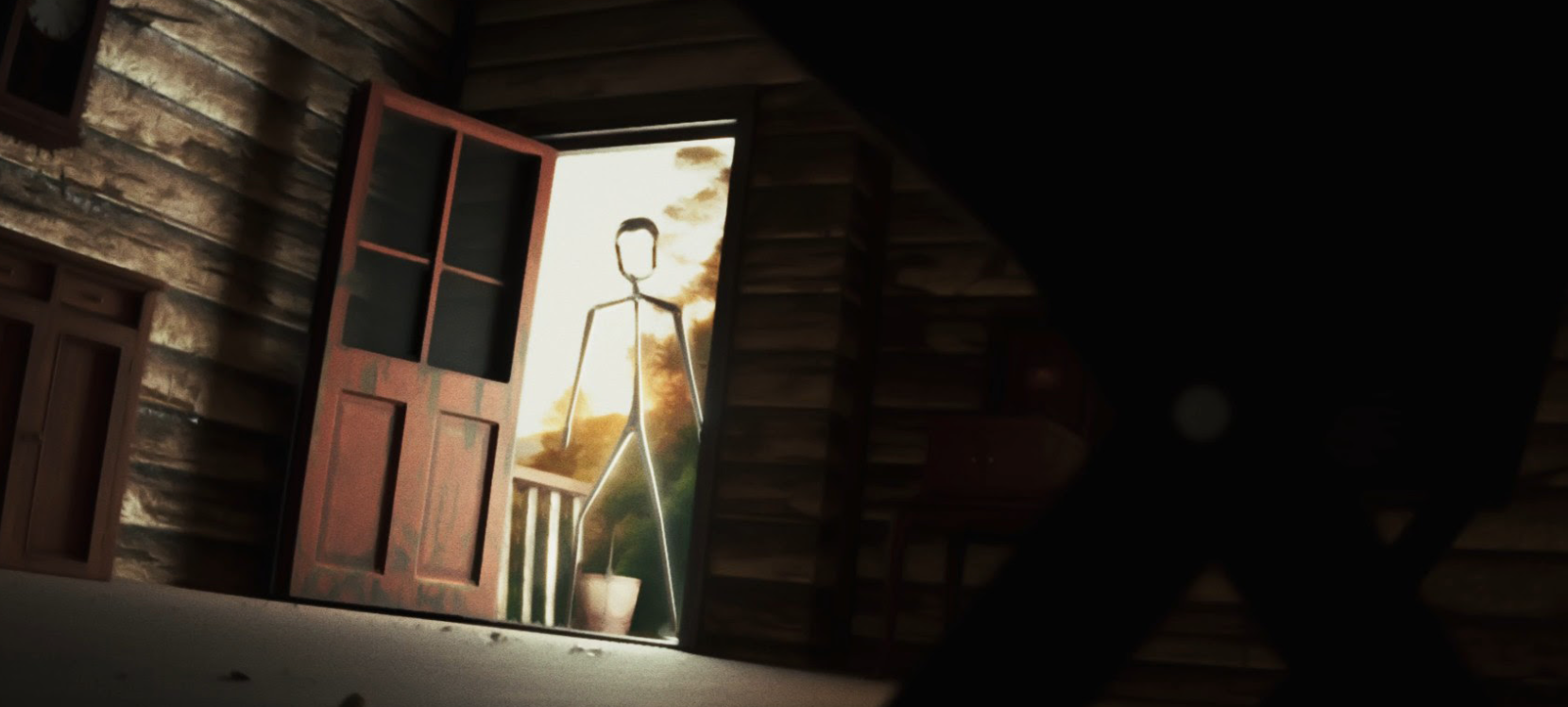
Violet and Marlowe Rob a Bank
⭐️⭐️⭐️⭐️
Short Film (Narrative)
Rating: NR / Run Time: 3 minutes
Language: English
Director: Wesley Wang
Writer: Wesley Wang
“Don’t worry, just bring them home.”
In a world where the tyrannical President Rabbit has monetized the global carrot supply, Violet and Marlowe have become unlikely Robin Hoods for the people. Living in a modest home, the pair take extraordinary risks to secure the produce needed for both themselves and their community to survive. However, when circumstances unexpectedly separate them, one will have to step up and do whatever it takes to save the day.
Running only three minutes, Violet and Marlowe Rob a Bank packs an impressive amount of action, emotion, and worldbuilding into its brief runtime. Powered by the high energy of adore's "Feel It All Again," whose lyrics take on added meaning within the story's context, Wesley Wang crafts a fast-paced adventure filled with inventive visual storytelling. Through dynamic camerawork and sharp editing, the film never feels rushed, allowing audiences to connect with its characters despite how little time they spend with them.
Perhaps most impressive is how much emotion Wang conveys without traditional dialogue. Aside from a handful of captions representing silent exchanges between the characters, Violet and Marlowe communicate entirely through movement, expression, and action. They do not even have mouths, yet their oversized eyes prove remarkably expressive, conveying every emotion with surprising effectiveness.
My biggest complaint is simply that I wanted more time in this world. Then again, perhaps that is a testament to how effectively Wang accomplishes his goal. In only three minutes, he creates memorable characters, establishes a compelling setting, and delivers a story with genuine emotional weight. All in all, this animated short reminds us just how powerful animation can be as a vehicle for poignant storytelling.
Review by Cinephile Mike